



Categories






Horror Games

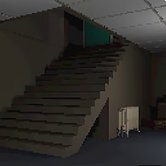



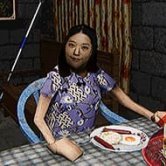



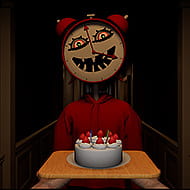
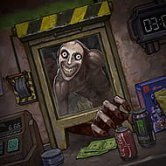
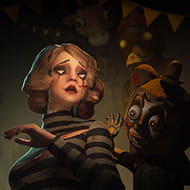

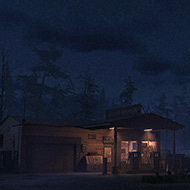

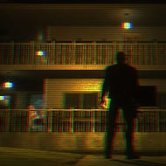



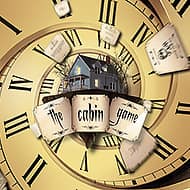
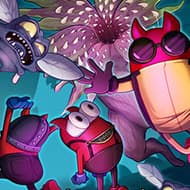

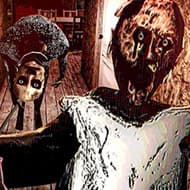
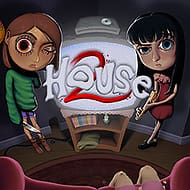
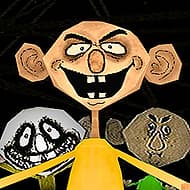
Some experiences are built to unsettle rather than relax, and that is exactly the appeal of Horror Games. This category gathers titles designed around fear, isolation, and the unknown, where every corridor and every sound cue matters. Whether you enjoy slow dread or sudden shocks, there is something here that will keep you on edge.
What Sets Horror Games Apart
Unlike most other categories on this site, Horror Games rely on psychological pressure as much as action. Developers use lighting, silence, and pacing to make players uneasy before anything even happens on screen. The goal is not just to challenge reflexes but to create a lasting feeling of unease that stays with you after the session ends. Many Horror Games avoid constant danger altogether, choosing instead to make the player question what is real within the space they are exploring.
Types of Horror Games You Can Explore
This category is broader than it first appears. Some titles focus on exploration, others on survival against relentless threats, and a few blend horror with puzzle-solving. Here are common styles you will find among the Horror Games listed on this page:
- Psychological horror — built around confusion, unreliable environments, and mental strain rather than direct combat.
- Survival horror — limited resources force careful decisions while something dangerous stalks the player.
- Jump-scare driven titles — short bursts of fear designed for quick, intense sessions.
- Atmospheric exploration — slower pacing that leans on setting and sound design rather than direct threats.
- Cooperative horror — shared tension where communication between players becomes part of the challenge.
- Found-footage style titles — a shaky, first-person perspective that mimics documentary footage to heighten realism.
How Atmosphere Shapes the Experience
Atmosphere is the backbone of nearly every title in this section. A dim hallway, a distant noise, or an object left slightly out of place can do more than any monster reveal. Many Horror Games intentionally slow down pacing so that anticipation builds before a threat ever appears, making the eventual encounter feel earned rather than random. Sound design in particular carries a large share of the tension, since a creak in the next room can be just as effective as a visible threat standing in front of you.
Mechanics You Will Commonly Encounter
While themes vary widely, certain mechanics repeat across Horror Games because they consistently work well for building tension:
- Limited visibility, such as flashlights with restricted battery life or fog that obscures distant threats.
- Scarce resources, including ammunition, healing items, or tools needed to solve environmental puzzles.
- Enemies that react to sound or movement instead of following fixed patterns.
- Save points placed sparingly to increase the weight of every decision.
- Environmental storytelling, where notes, objects, and room layouts reveal what happened before you arrived.
- Branching paths that lead to different endings depending on choices made along the way.
Choosing the Right Horror Games for Your Mood
Not every session calls for the same intensity. Some players prefer a quiet, unsettling walk through an abandoned building, while others want constant pressure from something actively hunting them. Browsing this category with your current mood in mind makes the choice easier — slower titles suit a relaxed evening, while faster ones fit a short adrenaline break. If you ever want to step away from the theme entirely, the homepage is a quick way to see everything else available on the site before coming back to Horror Games later.
Horror Games for Different Play Styles
Not everyone approaches this category the same way, and that variety is part of what keeps it interesting:
- Players who enjoy piecing together a story will gravitate toward titles built around scattered notes, recordings, and environmental clues.
- Those who prefer reflex-based challenges tend to favor faster-paced titles with direct confrontations.
- Players looking for a shared experience often choose cooperative titles where solving problems together adds another layer of pressure.
Getting More Out of Every Session
A few habits can improve how you experience this category:
- Play with headphones, since sound direction often signals danger before anything is visible.
- Dim the room lighting to match the intended atmosphere.
- Take short breaks between intense titles rather than rushing through several in a row.
- Read any in-game notes or clues carefully, as they often explain mechanics or hint at upcoming threats.
Horror Games reward patience, attention, and a willingness to sit with discomfort rather than rush past it. New titles are added to this section regularly, so returning periodically is worthwhile if tense, atmosphere-driven experiences are what you are after. Whatever style you lean toward, this category offers enough variety to match almost any evening spent looking for a scare.