
Categories






Fighting Games



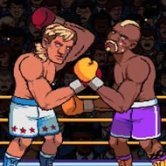

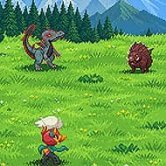


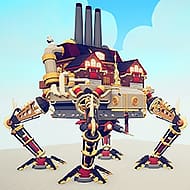
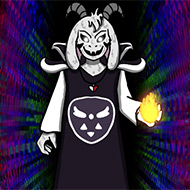
Fighting Games are about reading an opponent and answering at the right moment. This section collects grizzly bear brawls, floppy ragdoll duels, pixel wrestling, boxing careers and even battles won by typing, so the way you throw a punch changes from title to title. What stays the same is the tension of a close round and the satisfaction of a well-timed counter.
How Fights Are Won Here
Most Fighting Games in the collection come down to three things: attacking when the opponent is open, defending when they commit, and managing distance between those moments. Players who learn when to stop pressing buttons usually win more than those who attack nonstop.
Win conditions vary. Some bouts end when a health bar empties, some when a wrestler is thrown out of the ring and some when a boxer fails to get up before the count ends. Knowing the goal of each match changes how you approach it.
Because every round is short, each game in this section gives fast feedback. You see right away whether a tactic worked, which makes improvement feel quick.
Styles of Combat in the Collection
Arcade brawlers with combos, double jumps and special attacks.
Physics duels, where wobbly limbs and weapons make every hit unpredictable.
Ring fights, where stunning a rival and throwing them out is the aim.
Boxing careers with training stats, titles and rankings.
Wave survival, where one hero holds off a stream of attackers.
Typing battles, where accurate sentences charge your strikes.
Each style suits a different temperament. Strategic players lean toward boxing careers, while those who enjoy chaos head for the physics duels.
Learning a Move Set
The quickest way to improve in Fighting Games is to learn a few moves well instead of many moves badly. Start with one fast attack, one strong attack and your defensive option, then practise them until they come without thinking.
Find the quickest strike and use it to test the opponent.
Learn which attack deals the most damage and when it is safe.
Practise blocking or dodging until it becomes a reflex.
Combine two or three moves into a short, reliable combo.
Hidden techniques are worth looking for too. In Bearsus, for example, a special attack performed during a double jump is often stronger than anything on the ground, and many players miss it in their first sessions.
Defence Is Not Optional
New players often treat defence as an afterthought. In practice, blocking, dodging and stepping back are what keep you in long fights, and they create the openings that lead to big hits.
Watch the opponent rather than your own character. Computer-controlled rivals tend to repeat patterns, and noticing those patterns lets you prepare a counter before the attack arrives.
Fighting Games with a knockdown count add another layer. Training stats such as chin and recovery decide how often you get back up, so defence continues even between rounds.
Weapons and Ring Objects
Several titles let you pick up items during a match. Steel chairs, knives and other objects extend reach and hit harder, but they also change how your character moves.
Being first to an item can swing a fight, so keep an eye on where they appear. At the same time, a heavy weapon swung carelessly can leave you off balance and exposed.
Some players love the chaos items bring, while others prefer pure hand-to-hand bouts. Many Fighting Games allow both approaches, so you can choose based on mood.
Solo Ladders and Local Rivalries
Single-player modes in Fighting Games usually take the form of a ladder: a series of opponents, each tougher than the last, with new fighters or colours unlocked along the way. Endless variants carry health over between rounds and test endurance.
Local versus modes are where Fighting Games often shine brightest. Two people sharing a keyboard can settle a rivalry in seconds, and rematches tend to follow immediately.
The full selection on Gamaloplay runs in the browser, so starting a two-player match with a friend takes only a few clicks.
Staying Patient Under Pressure
Panic mashing is the most common reason for losses. When health is low, it feels natural to attack faster, but slowing down and waiting for a clear opening usually works better.
Short breaks help as well. Reaction time and focus return quickly after a few minutes away, and a rival that seemed unbeatable can fall on the next attempt.
Finally, accept that some rounds end because of a lucky bounce or an unexpected hit. Treat those moments as part of the fun rather than a reason to quit.
Choosing a Fighter That Suits You
Rosters in Fighting Games usually contain a mix of quick, balanced and heavy characters. Fast fighters reward players who like to pressure and dodge, while slower ones hit harder and suit those who prefer waiting for one decisive opening.
A good habit is to spend a few rounds with each available fighter before settling on a favourite. Sometimes a character that looks awkward at first turns out to match your timing perfectly.
Some Fighting Games also let you mix moves between characters or buy new gear, which adds a layer of customisation. Experimenting with these options often reveals combinations that feel far more natural than the default setup, and that personal style becomes a big part of the fun.
From grizzly bears mixing moves across a roster to boxers fighting through a ten-second count and a lone pig fending off wolves, Fighting Games reward the same core skills: patience, a reliable set of moves and the ability to read what the opponent will do next.