
Categories






Skill Games







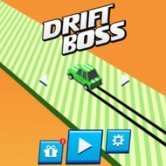

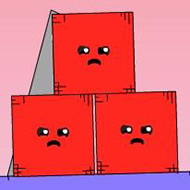


Skill Games strip play down to a single test: can you do one thing precisely, again and again, as the pressure builds? This section includes colour-matching taps, physics launches, tower stacking, narrow tunnels and notoriously tough dot-dodging levels. None of them need long tutorials, yet each one takes real practice to master.
A Simple Rule, Hard to Master
Most titles here can be explained in one sentence. Pass only through the matching colour. Stop the spinning block and drop it straight. Launch the sausage so it lands on the platform. Avoid every blue dot on the way to the green zone.
That simplicity is deceptive. Skill Games stack small challenges on top of the basic rule until consistency becomes the real goal, and one slip at the wrong moment ends the attempt.
The appeal is clear progress. You can feel yourself getting better within a few minutes, and a new personal best always feels earned.
What You Will Find in the Section
One-tap timing, where a single input controls every jump.
Physics launches, where angle and power decide the landing.
Balance challenges, from stacking blocks to riding one wheel.
Precision mazes with moving hazards and checkpoints.
Reflex runs in tunnels and trenches that keep speeding up.
Each type rewards a slightly different ability, so moving between them keeps your hands and eyes sharp.
Rhythm Beats Raw Speed
Players often assume quick reactions are what matter most. In many Skill Games, rhythm is more important. Watching an obstacle complete a full cycle before acting reveals its pattern, and from there success is a matter of counting rather than guessing.
Color Switch is a good example. Tapping too fast sends the ball into the wrong segment, while a steady hover lets the matching colour come around.
The same idea applies to dot-dodging mazes, where the safest moment to move is usually one cycle later than the first gap you notice.
Physics and Fine Control
A number of titles use physics to make outcomes less predictable. A floppy sausage spins in the air, a rocket burns fuel as it climbs and a tetromino tips if it hangs over an edge.
Start with gentle inputs and increase power gradually.
Watch how objects react after landing, not only in flight.
Use upgrades or helpers, where available, to reduce randomness.
Keep the centre of a stack or a landing zone solid.
These Skill Games reward experimentation. Each failed launch or toppled tower teaches something about weight, momentum and timing.
Handling Frustration
Difficulty is part of the deal here. Some levels take dozens of attempts, and death counters can climb into embarrassing numbers. That is normal, and many players proudly share their totals.
Breaking a hard section into smaller goals helps. Focus on reaching the next checkpoint or surviving five seconds longer rather than finishing everything at once.
When a streak of failures builds up, a short break often works wonders. Skill Games depend on calm hands, and stepping away for a minute resets both focus and patience.
Short Sessions, Long Habits
Most entries in this category load fast and play in rounds of a minute or two. That makes them perfect for a quick break, but it also explains why one round so often turns into twenty.
Leaderboards and personal records keep the loop going. Beating a score by a few points is enough motivation to try again immediately.
You can explore the full range on Gamaloplay and switch between tapping, launching and stacking challenges whenever one starts to feel stale.
Building Real Improvement
Improvement in Skill Games is often invisible until it suddenly appears. Hands learn timing before the conscious mind does, so a run that felt impossible yesterday can feel routine today.
Practising in short, regular sessions works better than marathon attempts. Ten focused minutes a day build more consistency than an hour of frustrated retries.
Paying attention to why each attempt failed also speeds things up. A late tap, an overpowered launch or a rushed drop each point to a specific habit worth changing.
Tools That Make Things Easier
Several Skill Games offer upgrades or helpers that soften the hardest parts. A stacking challenge might let you slow the spin of a block, add friction or widen the base, while a launch title might reward you with coins that unlock new looks.
Using these tools is not cheating. They are there to help players who struggle with a specific part of the challenge, and choosing the right one can turn a frustrating session into a satisfying one.
Purists sometimes prefer to ignore every helper and rely only on practice. Both approaches are valid, and Skill Games are flexible enough to support either style of play.
Whether you are guiding a ball through rotating colour rings, flinging a sausage toward a finish line or slipping a red square past blue dots, Skill Games reward the same thing: calm repetition until precision becomes second nature.