







Tomb Of The Mask
 (1 оценок, среднее: 5.00 из 5)
 Loading...
Similar Games





Description
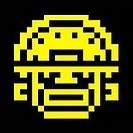
In Tomb of the Mask you start as a plain pixel character standing at the mouth of a tomb, which matters because the instant you put on the mask waiting inside, gravity stops treating walls the same way it did a second earlier. From that point on, every wall in the maze is just another surface to climb, and the whole run turns into a vertical scramble instead of a normal side-scroll.
| Genre | Arcade Maze / Endless Climber |
| Platform | Browser and mobile |
| Core Loop | Climb, Dodge, Collect, Chase a Higher Score |
| Best For | Players who like fast, retro-style reflex runs |
How Tomb of the Mask’s Wall-Climbing Actually Works
Once the mask is on, your character sticks to whatever surface it touches, floor, wall, or ceiling, and keeps moving in the direction it’s pointed until it hits something else. That single rule is the entire engine behind the maze, since the procedurally generated corridors are built specifically to test how quickly you can redirect before slamming into a dead end, a saw blade, or a wall of spikes.
The maze never repeats the same layout twice, so memorization only goes so far. What actually improves a run is recognizing the shapes corridors tend to form, tight zigzags, open vertical shafts, dead-end pockets, quickly enough to commit to a direction before the character has already run out of room to redirect.
Power-Ups Worth Upgrading First
- Shield absorbs one collision that would otherwise end the run instantly.
- Magnet pulls in nearby coins and dots without needing to path directly over them.
- Freeze locks enemies in place for a few seconds, buying room to redirect safely.
Magnet and shield tend to pay off fastest since both extend how long a single run can last, coins for the magnet, survival time for the shield, while freeze is more of a situational panic button for a corridor that’s already gone wrong.
Why Tomb of the Mask Runs Get Harder Without Getting Slower
The maze doesn’t really speed up the further you climb, but it does get denser, more junctions, tighter gaps between hazards, less room to correct a bad redirect. That’s a deliberate design choice players tend to either love or resent: it keeps the core speed consistent instead of turning into a twitch-reflex race, but it also means a late mistake feels exactly as punishing as an early one, since there’s no slow warm-up section to fall back on.
- Do different masks actually change gameplay, or are they cosmetic? Masks carry their own characteristics, some lean toward earning more coins, others toward a higher score, so picking one that matches what you’re chasing in a given run matters more than it first appears.
- Why does my character keep dying to walls that look open? The maze redirects the moment you touch any surface, so a wall that looks like open space from a distance is often already a redirect point you didn’t account for.
- Is it better to rush upward or collect everything along the way? Early on, prioritizing the magnet and shield upgrades pays off more than chasing every coin manually, since surviving longer naturally nets more coins than a short, greedy run would.
Tomb of the Mask rewards exactly one skill above all others: reading a corridor a half-second before your character actually reaches it, and once that habit clicks, the same maze that felt impossibly fast starts to feel like it’s finally moving at a pace you can keep up with.