






Endacopia
 (1 оценок, среднее: 5.00 из 5)
 Loading...
Similar Games

Description
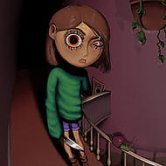
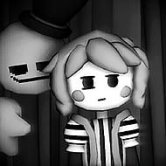
What happens when a children’s edutainment game stops pretending to be one? That’s the question Endacopia keeps circling back to, opening with bright colors and simple point-and-click logic before quietly revealing how much darker its world actually is.
| Genre | Point-and-Click Puzzle Adventure / Psychological Horror |
| Platform | PC (Windows, Mac) |
| Player Mode | Singleplayer |
| Core Mechanic | Inventory-based exploration and puzzle solving |
Mellow’s World and the Rules Endacopia Doesn’t Explain
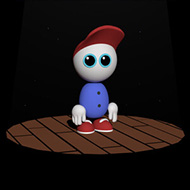
You play as a guardian angel guiding Mellow, a lost child who understands almost nothing about the strange world he’s woken up in except that his gut instinct is worth trusting. Endacopia never hands you a tutorial that spells out its logic — instead you learn the rules of each area by poking at them, the same way Mellow does.
This approach means early missteps are common, and that’s intentional. Puzzle-adventure fans will recognize the inventory-driven structure immediately, but the game constantly undercuts expectations by hiding its real danger behind cheerful, retro edutainment visuals.
By the time you’ve explored the first zone, the disconnect between the friendly art style and the disturbing content underneath becomes the game’s defining hook rather than a twist reserved for later.
Misery Town, the Office Realm, and Moving Between Zones in Endacopia
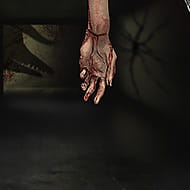
The office realm runs on a capitalist credit system that governs almost everything, from which doors open to what you’re able to buy at oversized roulette wheels. Misery Town, by contrast, leans harder into unease, populated by things like a lingering clown corpse and other imagery that horror fans specifically seek this game out for.
Each zone in Endacopia has its own internal logic that rarely carries over to the next one, so techniques that worked in the office realm won’t necessarily help once you cross into Misery Town.
Once Mellow reaches these later areas, the game leans further into body horror and psychological discomfort, a tonal shift that newcomers researching the game beforehand often ask about directly.
Dice Games, Toy Trains, and the Minigames Scattered Through Endacopia
Minigames break up the core adventure loop constantly, and they’re tied thematically to whichever zone you’re in. The dice-based game show format fits the office realm’s gambling motif, while a toy train sequence in Misery Town has players hopping over obstacles in a much more arcade-like rhythm than the rest of the game.
- Dice-based game show sequences tied to the credit economy
- A toy train obstacle sequence exclusive to Misery Town
- A yeti-themed reflex minigame using directional inputs
These segments give Endacopia room to experiment mechanically without breaking the pacing of the main exploration, and several reviewers single them out as some of the most memorable stretches in the entire game.
Genesis 01 and the Boss Encounters That Break the Rhythm
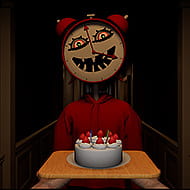
Genesis 01 is one of the more talked-about characters players run into, tied to a sequence that required a specific fix after launch when equipping certain items mid-encounter caused it to behave unpredictably. Encounters like this shift the pace from slow inventory puzzles into something closer to a first-person confrontation.
Boss-style sequences are rare enough that they land with real weight when they show up, and the game leans on that scarcity rather than repeating the format too often.
Scribbly is another recurring figure players interact with using a pencil item, part of a smaller puzzle chain that rewards close attention to dialogue clues scattered earlier in that same area.
Puzzle Logic Built From Old Edutainment Habits
Endacopia intentionally borrows the visual grammar of early computer edutainment software — simple shapes, exaggerated character expressions, chirpy interface sounds — and repurposes it to deliver puzzles that require genuine lateral thinking rather than the simplified logic that style usually implies.
Casual point-and-click players sometimes find this mismatch disorienting at first, expecting easier puzzles based on the art style alone.
That expectation gets subverted quickly, and it’s part of why the game has built such a dedicated following among horror-adventure fans who enjoy having their assumptions challenged.
Why the Tone Split Divides Players
Not every player finds the constant swing between comedy and genuine horror easy to sit with. Community discussion around Endacopia frequently touches on this exact tension — some praise the unpredictability as the game’s greatest strength, while others feel certain sequences lean too hard into distressing imagery for what initially looked like a lighthearted adventure.
It’s a legitimate point of disagreement rather than a flaw either side is wrong about, and it’s worth knowing before you start.
- Is Endacopia scary? It contains body horror, jump-scares, and disturbing imagery layered underneath a bright, child-like art style, and most players describe the tonal contrast as more unsettling than a straightforward horror game would be.
- Who is Mellow in Endacopia? Mellow is the lost child you guide as his guardian angel, navigating a world that operates on rules he doesn’t understand, with only his gut instinct to rely on.
- How long does it take to beat Endacopia? A full playthrough runs several hours depending on how much time you spend exploring optional minigames like the dice sequences and the toy train segment in Misery Town.
Endacopia earns its reputation by refusing to settle into one tone for long, and by the time Mellow finally makes it out of Misery Town, the game has made its case that comfort and dread can share the same frame without either one feeling out of place.