














FNAF: FAMILY BUSINESS
 (1 оценок, среднее: 5.00 из 5)
 Loading...
Similar Games









Description
You finish showtime at Fredbear’s Family Diner, and the room that was full of birthday noise a minute ago goes so quiet that you glance over your shoulder. That silence is where FNAF: Family Business actually begins, because the afterhours tasks are waiting and the building has stopped pretending to be friendly. The game follows three members of the Afton family and asks you to keep the diner running by day while the family’s darker business plays out after the doors close.
Showtime to Afterhours: The Daily Rhythm of FNAF: Family Business
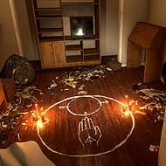
Every day at the diner splits into two moods that feel like two separate games stitched together. Showtime is the loud half, built around the stage, the crowd and the animatronic acts that made Fredbear’s Family Diner popular. Afterhours is the quiet half, where chores and private errands replace applause and the lighting does most of the storytelling. The jump between them is the hook that keeps pulling you into one more day.
Early in a run the pattern is easy to read: you learn what the crowd expects, then what the empty room expects from you. Because the story plays out in 2D, you see far more of the floor than a security guard ever would, so tension comes from where you must go next instead of from a monitor.
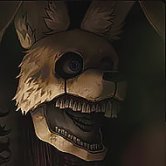
A showcase of the diner on the fangame wiki ended with a joke about not losing your head, and the warning fits the setting. In canon, Fredbear’s Family Diner is tied to springlock suits, with Fredbear and Spring Bonnie on the show stage, so every afterhours errand near that stage deserves respect.
William, Michael and David: Reading the Afton Household
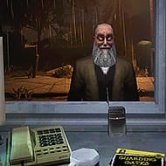
William. Seeing the Afton patriarch as a father and business partner at the diner, instead of only as a name from the lore, is what draws theory players in. Lore hunters get a chance to measure the family scenes against everything they remember from the main series. That comparison is a big part of the appeal, because every familiar name now sits at a family table.
Michael. Fans know Michael as the Afton son who spends the main series chasing and cleaning up after his father’s mistakes, and sharing the spotlight with him shifts the mood from pure dread toward family tragedy. Players who want constant jump scares may find that slower. Anyone who enjoys character drama will feel the weight of every scene he is in.
David. The third name in the trio gets the same weight at the family table as William and Michael, which is part of why the household feels crowded rather than staged. Placing him against the timeline fans already carry in their heads is a puzzle in itself, and the story does not rush to hand you the answer.
What Afterhours Costs You Inside Fredbear’s Family Diner
Afterhours is the half of the day where you are most likely to slip, because the tasks pull you away from the well-lit show floor and into rooms that feel like they belong to someone else. A sensible habit is to treat showtime as preparation instead of filler, so you walk into the quiet stretch knowing where you need to go. Rushing the crowd hours only leaves you less ready once the doors lock.
Fan-made takes on the Afton family always split the community, and this one is no exception. Some players love seeing the household at human scale, while others feel that any attempt to show William at home weakens him as a villain. The tone is also dark enough that some viewers have called the game disturbing, so it suits people who already tolerate FNAF violence.
Spend enough time around fangame comment sections and you will see words like springlock, lore and afterhours thrown around constantly. They are shorthand for the same idea: the diner is never just a restaurant, and every cheerful stage routine hides a second, quieter purpose.
Who Gets the Most Out of FNAF: Family Business
Newcomers can follow the loop without a full lore degree, because showtime and afterhours explain themselves through play. A little background on Fredbear’s Family Diner and the Afton family still helps the family scenes land, so a quick read of the main series timeline before starting is worth the few minutes.
Where the main series locks you in an office with doors and cameras, the game puts you on the diner floor and gives you jobs to finish. That change makes it closer to a story about a family at work than a pure survival test, and players who like a clear daily goal will settle into it quickly.
The structure invites you to read each day against the last. Every pass through showtime and afterhours adds another layer to how William, Michael and David relate to the family business, and that slow build is the reason the loop never feels like filler.
FNAF: Family Business works best when you treat Fredbear’s Family Diner as a family home that happens to be a workplace. The cheerful stage of showtime, the quiet rooms of afterhours and the three Afton names at the center all pull in the same direction, and the springlock warning hanging over the show stage keeps every shift tense. Players who want the Afton story told from inside the diner, not through a monitor, will find William, Michael and David worth following.