















Playrooms
 (1 оценок, среднее: 5.00 из 5)
 Loading...
Similar Games










Description
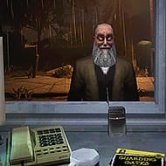
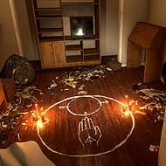
You carry an armful of balls toward a half-empty ball pit, and somewhere behind you a ceiling light flickers out. That small moment captures Playrooms better than any trailer could: a tidy-up shift in a liminal building where the work stays calm until the lights begin to fail. Over 200,000 balls are scattered across the rooms and every one of them belongs in a pit, yet the game never quite explains who else is working in the building.
| Genre | First-person liminal horror with an incremental cleanup loop |
| Mode | Single-player |
| Core task | Return scattered balls to ball pits before the lights go out |
| Difficulty options | Three settings, from no fear at all to no second chances |
Shift Rules and Light Zones in Playrooms
Strip away the horror coating and the job in Playrooms is a loop built on four verbs: collect, carry, fill and spend. Balls lie loose in every room, and each one has to travel back to a ball pit. Full ball pits unlock new abilities, while the balls you collect double as currency, so every trip serves two goals at once. Once you have gathered enough, you can buy the key to the next area and the cycle restarts in a new space.
The shift has an end, and that is where the game stops being a chore simulator. When working hours run out, the lights go out one by one, and the only rule that matters is to stay in the light. Nobody tells you what waits in the darkness, which is why the early shifts feel tense even when nothing happens.
Fans of incremental games will recognize the rhythm at once, but a lights-out countdown gives that loop a pressure that idle clickers never have. Time management here is less about efficiency and more about always knowing where the next lit corner is. Every long carry across a room becomes a small bet against the lights, and that bet is what separates the job from an ordinary collection sim.
Ball Pits, Keys and the Currency Loop in Playrooms
The most interesting tension in the whole loop sits in how the balls are counted. A ball dropped into a pit is progress toward a new ability, but a ball kept in hand is spending power, and the two goals pull in opposite directions. Spending first buys equipment sooner, while topping off every ball pit first brings abilities sooner, so the order you pick changes how each shift feels. It is a small decision, yet it returns every time you stand between a full pit and an upgrade you can almost afford.
The key to the next area is the real milestone. Rooms are not opened by finding a hidden code or flipping a switch; they are paid for with the same balls that fill the pits, which turns the key into a checkpoint for the whole economy. That design divides opinion, because some players enjoy a quiet grind with a clear price tag while others expect a puzzle at every door.
With over 200,000 balls spread through the rooms, the numbers are large on purpose. Nobody is expected to count them by hand; the point is the feeling that the job never quite ends. Early in the game that scale is almost comforting, because every ball dropped into a ball pit is visible progress, and the sheer size of the task is part of the joke.
Tiles, Water and the Hallway With Too Many Doors
The work stays the same, only the room changes, and that line from the store page describes the structure well. Tiled rooms, flooded spaces, endless corridors and a hallway with more doors than it should have all ask for the same job in different surroundings. Fans of Backrooms-style liminal spaces will feel at home, since the unease comes from empty places that look slightly wrong rather than from constant action.
Whatever the walls and floors look like, the job underneath is identical. Four constants carry from room to room:
- Loose balls that need collecting and carrying
- Ball pits that unlock abilities once they are full
- A shift that ends with the lights going out
- A key that opens the next area
That consistency is the quiet strength of the structure. Because the rules never change, a new room only has to introduce a new kind of discomfort, and the hallway with more doors than it should have is the clearest example: the description alone promises a layout built to make a simple carry feel wrong. By the time you are saving for the key to a later area, the safest route through a room is something you have had to learn rather than something the game hands over.
Scoop and Flashlight: What the Equipment Ladder Changes
The more balls you collect, the more equipment you can afford, and the list includes a scoop and a flashlight. A scoop suggests moving bigger piles in fewer trips, which matters when the job is measured in hundreds of thousands of balls. Equipment is the game’s way of telling you that the work will get faster, even though it never gets smaller.
A flashlight sounds like the obvious answer to the dark, yet the rule of the shift is still to stay in the light. How much safety a flashlight really adds is the kind of detail best learned on your own shift rather than from a guide. What matters is that the option exists, and that darkness is something you prepare for instead of only fearing.
Equipment is paid for with the same currency that fills the ball pits, so each purchase has an opportunity cost. A scoop bought now means fewer balls in the pit this shift, and that trade gives the early hours a surprisingly tactical feel. Later purchases follow the same logic, and the loop never lets you forget what you gave up.
Jumpscares, Darkness and the Difficulty Choice
The developers are upfront about what the horror looks like: sudden loud jumpscares and long stretches in near-total darkness, with no blood, no graphic violence and nothing sexual. That makes the fear mostly about sound and light rather than gore. Anyone who dislikes sudden audio spikes should know this going in, since the end of a shift is the cue for exactly the kind of dark stretch the page warns about.
You also choose how dangerous the job gets. The options run from a setting with no fear at all, through the way the job is meant to be played, to a setting with no second chances. The spread means the same shift can be a relaxed tidy-up or a tense run, and the no fear setting keeps the loop intact for anyone who wants the cleaning without the dread. Horror veterans will probably head for no second chances, because a mistake in the dark has to cost something to matter.
Not everyone will click with it. The loop repeats by design, loud jumpscares are a divisive tool, and a job where nothing changes except the room can feel like either a meditation or a chore. The honest answer is that taste decides, and the store page makes no secret of what the work involves.
Questions Players Ask Before Starting Playrooms
How many balls are there to collect in Playrooms?
The store page puts the number at over 200,000 balls scattered across the rooms. Every one of them has to return to a ball pit, and full ball pits unlock new abilities along the way. Collected balls also serve as currency, so the count is both a chore list and a budget.
How do you unlock the next area?
You buy the key to the next area with collected balls. Filling ball pits unlocks abilities, but the key is what moves you from tiles to water to endless corridors and the hallway with more doors than it should have. Plan each shift so you can reach the key’s price before the lights begin to go out.
What happens when the lights go out?
When working hours end, the lights go out one by one, and staying in the light becomes the only rule that counts. Whatever waits in the darkness is never explained, which is a large part of the tension. On the no second chances setting, a mistake in the dark costs the most.
A shift in Playrooms comes down to a handful of choices: how many balls go into the next ball pit, when to buy the key, and how far from the nearest light you dare to wander. The scoop speeds up the work, the flashlight is there when the corridors dim, and the rule never changes once the lights start to fail. Strip away the game name and the paragraph would still have to mention balls, pits and lights, because that is all the building asks of you.