
Categories






Shooting Games


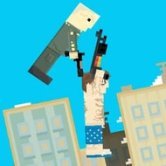
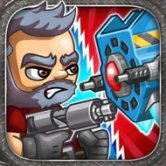

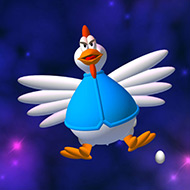
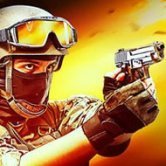

Shooting Games test how fast you can spot a target and how calmly you can deal with it. This section brings together first-person battles, slow-motion gunfights, space dogfights and cartoon city shootouts, so the pace ranges from tactical and thoughtful to pure reflex. In every one of them, accuracy and positioning matter more than simply holding down the trigger.
Where the Action Comes From
A title belongs among the Shooting Games here when aiming and firing are the core activity. That can mean lining up a rifle shot in a multiplayer match, dodging bullets in a room full of armed enemies or blasting obstacles from the cockpit of a space fighter.
The setting changes a lot between titles. Some take place in realistic maps with buy menus and team chat, others in stylised levels where time behaves strangely, and others in endless trenches where the challenge is to survive as long as possible.
What unites these Shooting Games is the need to think while you shoot. Rushing in without a plan rarely works, whatever the style.
Styles of Shooters in This Section
First-person multiplayer, with loadouts, maps and team play.
Time-bending shooters, where the world moves only when you move.
Space and trench runs, mixing dodging with constant firing.
Cartoon action, where missions combine driving and gunfights.
Each style of Shooting Games favours a different player. Tactical thinkers enjoy time-bending puzzles, competitive players head for multiplayer matches and reflex fans love trench runs.
Aiming Habits That Pay Off
Good aim starts with where your crosshair rests between fights. Keeping it at head height and pointed at corners where opponents are likely to appear saves the split second needed to react.
Small mouse movements beat large swings. Overshooting a target and correcting back wastes time, so lowering sensitivity slightly often improves results in Shooting Games that use a mouse.
In titles with recoil or weapon spread, short bursts are more accurate than long sprays. Learning the rhythm of each weapon helps more than switching constantly between them.
Moving Is Half the Fight
Standing still makes you an easy target in almost every shooter. Strafing, crouching behind cover and changing position after each engagement keep opponents guessing.
Peek corners briefly instead of walking into open space.
Reload behind cover, never in the middle of a fight.
Use crouch to steady aim and present a smaller target.
Retreat when outnumbered and wait for a better angle.
In time-bending titles such as Time Shooter 2, movement takes on a different meaning. Each step advances the world, so small, deliberate moves let you study the room before committing.
Weapons, Loadouts and Power-Ups
Some Shooting Games let you choose equipment before a round. Pistols are precise, shotguns devastating up close, sniper weapons strong at long range and explosives useful against groups.
Beginners often buy the most dramatic option and struggle to use it. Starting with a reliable weapon and moving to specialised gear as you learn the maps usually works better.
Arcade shooters use power-ups instead. Shields that absorb a hit, slow-motion pickups and obstacle clearers can rescue a run, and knowing when to use them often decides the final score.
Playing Solo or With a Team
Solo shooters let you learn at your own pace. Levels can be repeated, patterns memorised and strategies refined without anyone waiting for you.
Team-based matches add communication. Calling out enemy positions and coordinating who holds which angle makes a group far stronger than a collection of skilled individuals.
Both styles are available on Gamaloplay, so you can warm up against computer-controlled targets before jumping into a match with other players.
Staying Calm Under Fire
Panic is the biggest enemy in Shooting Games of every kind. When several opponents appear at once, the instinct is to fire wildly, but picking one target, dealing with it and then moving to the next is far more effective.
Taking a short break after a string of losses also helps. Reflexes and focus improve noticeably after a few minutes away from the screen.
Learning From Each Round
Improvement in Shooting Games comes from paying attention to what went wrong. Was the opponent already aiming at the corner you walked around? Did you reload at the wrong moment? Did you stay in one spot for too long? Asking these questions after a loss turns every defeat into a lesson.
Watching how better players move is also useful. In multiplayer titles, you can often see how experienced opponents use cover, which angles they hold and when they choose to push.
Replaying single-player levels helps too. Knowing where each enemy appears lets you plan your route, and Shooting Games with fixed layouts reward that kind of memory more than raw speed. Over time, the fights that once felt chaotic start to look like puzzles with clear solutions.
Whether you are lining up a sniper shot in a multiplayer arena, sidestepping frozen bullets or threading a fighter through a narrowing trench, Shooting Games reward the same habits: careful aim, smart movement and a calm head when the room fills with gunfire.