














Camp Whittlewood
 (1 оценок, среднее: 5.00 из 5)
 Loading...
Similar Games








Description
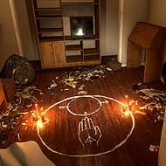
The Trampoline in Camp Whittlewood looks like leftover playground clutter, yet it is the only way over the front gate once the camp turns against you. That small detail says a lot about how the game treats its setting: every object at the old logging camp is either scenery or a possible way out. You play Conis, a Bark Scout dropped off for a weekend of outdoor fun, and the campfire story about the Woodcarver is already starting to come true.
| Genre | Pixel-art horror RPG adventure |
| Platform | Windows |
| Players | Single-player |
| Length | About two hours to the main ending |
| Endings | Three main endings plus one variation |
| Achievements | 5 |
Conis, the Bark Scouts and the Woodcarver Legend of Camp Whittlewood
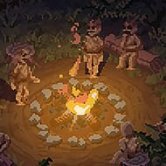
The setup is simple and well chosen. The Bark Scouts take their annual trip to a former logging camp deep inside a protected forest, and before any outdoor fun begins, an old story about a woodcarver who stalks the grounds gets told. Conis is shunned by the other scouts, so the job becomes scouring the campground to uproot its gnarled history before it buries you.
Players describe the tone as cozy at first and creepy as the days go on, with a few real scares saved for the end. The pixel art stays warm and friendly while the cutscenes turn chilling, and some players compare the mood to the Game Boy horror title Deadeus. Early in the game the bullies feel like the biggest problem, which is exactly what makes the later shift hit harder.
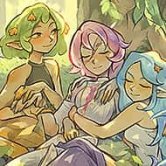
The cast carries a lot of the charm. Every scout and counselor has a distinct personality, so talking to everyone is worth the time, especially the Camp Leader and Billy once the evening events begin. Those conversations feed the side quests that decide how the last night plays out, and the campers are the reason the endings carry any weight at all.
Old-School Interaction: Key Items, Inventory and Trying Things on Everything
Progress runs on key items rather than combat. You walk the camp, pick things up, and try them on people and objects, which unlocks camp activities, hidden places and clues. The interaction style is old-school RPG, so curiosity is the main skill: if something looks usable, use it on everything nearby.
The most common beginner mistake is forgetting to check the inventory. Open it every time you pick something up, because once the nights turn dangerous the inventory does not pause the action. Fumbling through items while the Woodcarver is nearby is a bad way to learn what you were carrying.
- Lantern: lets you enter the Basement under the Dining Hall.
- Backpack: waits in the Administration Room and matters on the final night.
- Friendship Bracelet: ties a camper to your escape.
- Shovel, Wet Moss and a Book that becomes a Grafting Kit: the toolset for the cave route.
- S’more and flint: the tools for the fire route.
Side objectives keep the camp lively. At the Archery Area you can shoot down the Wooden Squirrel to collect it, a small reward that shows how the camp hides things in plain sight. Completionists will treat every corner as a possible clue.
Day 2, Day 3 and the Point of No Return
The middle of the game is built around days at the camp, with side quests for the other campers on Day 2 and Day 3. Finishing a camper’s request pays off later in the form of S’mores, which are collected at the campfire before the last sleep. Nothing feels pointless, because small favors turn into resources.
The evening cookout is the turning point. Talk to the Camp Leader to start it, Billy and the others arrive, and the events that follow take you to the Administration Room. Do not go to sleep yet: return to the campfire, talk to the campers whose side quests you completed, collect their S’mores, and only then head to your cabin.
Players treat this moment as the point of no return and save before it. A save made just before the final night lets you branch toward other endings without replaying the whole camp, which matters when the main ending takes about two hours. All five achievements come from the three endings, so one prepared save does most of the work.
The Final Night: Carved Statues and a Woodcarver That Turns You to Wood
You wake in the night and the camp is frozen in horror. The counselor and the campers have become carved wooden statues, and the Woodcarver prowls the paths outside, ready to turn you to wood if it catches you. After days of cozy routine, the silence of those statues is the most unsettling part of the whole run.
A useful trick for survival-minded players is that entering and leaving the Administration Room resets a chase. That makes the room a safe reset point while you gather tools, and it explains why so many routes pass through it. Learning where the paths loop is as important as knowing which items to grab.
There are only a few ways for Conis to die, but each one teaches something about the camp. Fan compilations of the deaths and endings are popular because the game is short enough to replay and see what changes. That replay appetite fits a horror adventure built around choices.
Three Endings in Camp Whittlewood: Escape, Firestarter and Scion
The game has three main endings plus a rescue variation of the Escape route. You can only bring one camper out per run, so a single playthrough never shows everything. The three routes below can all be prepared before the final night.
- Escape: grab the Backpack in the Administration Room, drag the Trampoline from the Playground to the front gate, find the camper who received your Friendship Bracelet in the Dining Hall, and go over the gate together. It awards the Running Badge, plus Bark Scout’s Honor if you bring a camper.
- Firestarter: lure the Woodcarver, which some players call the LoggerMonster, into the logging mill with a S’more, barricade the exit and ignite turpentine with flint. It works, but everyone else at camp dies.
- Scion: soak the roots in the hidden cave with Wet Moss, dig with the Shovel, use the Grafting Kit crafted from the Book, and lie down to complete the ritual. You end the story as the next woodcarver instead of as a survivor.
Each ending answers the same question differently: what is the camp worth to you? Escape is the hopeful outlet, Firestarter is destructive, and Scion is the unsettling one. Whichever you reach first shapes how you read the rest.
Short Runtime, One Rescue Per Run and Other Debates Around the Camp
The honest complaint is length. The main ending takes about two hours, and the Short tag on the store page tells you what to expect. A missed branch costs a replay, so players who want every ending should prepare saves before the final night instead of finishing and starting over.
The one-camper rule divides opinion. Some players like that rescuing someone costs you the chance to save the others, while others wish they could bring more friends out in one run. The rule makes each Escape feel earned, though it also guarantees replays for anyone chasing the Bark Scout’s Honor achievement.
Early reception on Steam is positive, but the sample is small, so treat it as a first impression rather than a verdict. Anyone who dislikes short games or old-school item hunts may find the pacing thin. For everyone else, the compact runtime is the point.
Camp Whittlewood works best when you treat the first days as preparation: talk to every camper, finish side quests for the S’mores, then save before the Camp Leader starts the cookout. From there the Trampoline, the Administration Room and the cave all become possible exits, and which one you choose says more about Conis than any dialogue line does. Short as it is, the Woodcarver’s camp leaves room for three very different last nights.