















Giggleland
 (1 оценок, среднее: 5.00 из 5)
 Loading...
Similar Games






Description
You walk through the gates of an abandoned amusement park, and the first thing that stops you is a painted smile on a wall that looks like it has been watching the entrance far longer than you have. Giggleland is a first-person horror game that builds its dread out of cheerful children’s entertainment left to rot, and the unease starts before anything moves. The park is also only one piece of a larger puzzle that stretches into cartoons, a flash game, and a hidden diary.
| Genre | First-person psychological horror with an alternate reality layer |
| Platform | Windows PC |
| Players | Single player |
| First area | Terry’s Vegetable Patch |
| Key figures | Eliot, Ella, Tolie |
The Abandoned Park at the Heart of Giggleland
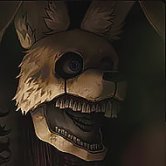
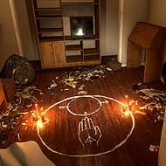
The setting is an amusement park that nobody maintains anymore, and the area players meet first is Terry’s Vegetable Patch, a pastoral corner that mixes farm imagery with theme park mascots. You move in first person and carry out small tasks while animatronic sheep stand around in poses that were clearly meant to be charming. Paintings of angels hang in places where you would not expect religious art. Many players compare the mood to a rural version of a toy factory horror, because the cheerful branding is still intact while everything underneath it feels wrong.
This game does not hurry you, and that is deliberate.
Beginners tend to treat the park as a checklist, finishing each task as fast as possible and ignoring the scenery. That approach gets you through the surface story, but the strongest dread in Terry’s Vegetable Patch comes from noticing what the sheep, the paintings, and the signage are doing in the background. Horror fans who prefer atmosphere over action will settle in quickly, since the tension comes from wrongness rather than constant chases. Walking slowly and looking twice at every prop pays off more than speed ever does.
Eliot, Ella and the Cartoons That Frame the Park
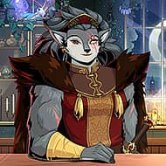
Eliot, the cat magician mascot of Terry’s Vegetable Patch, is the figure players talk about most. He appears in the Ella and Eliot cartoons, and the store page for the game links to the first of them, which makes it the cleanest way to absorb the tone before you start. A diary uncovered by community investigators reveals that a girl named Debbie created those cartoons together with her friend Simon. That detail turns the mascots from corporate props into something personal that went wrong.
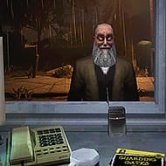
A mysterious figure watches you inside the park, and Eliot is the name the story keeps pointing at. Extra material in the demo hints that Eliot has broken his own script, which is why players go looking for glitches that should not be there. Whether he is the cause of the horror or just another victim is exactly the question the community argues about.
Within the story, Terry’s Vegetable Patch is described as the last clue that Tolie has, so the park reads as the end of a trail rather than a random location. Knowing that changes how you walk through it, because every corner starts to feel like evidence instead of scenery. Ella sits in the background as the other half of the cartoon pair, and players keep debating how much blame belongs to her.
How the Giggleland ARG Reaches Beyond the Park
The Giggleland ARG wraps around the park in three outside layers: animated shorts, a flash game called Eliot’s Adventure, and a hidden diary that players had to dig up. Each layer adds context that the park never spells out for you. The official Discord organizes investigation channels and announces when archiving begins, so finding a clue is rarely a solo job. ARG sleuths who enjoy cracking puzzles as a group will find more to chew on here than in most horror releases.
You do not need any of it to walk through the park, since Terry’s Vegetable Patch works as a proper introduction for newcomers. The story is readable on its own terms. The extra layers simply make it deeper.
That said, the alternate reality side is also the most divisive part of the project. A well-known theory channel described the second act as among the most confusing projects it had ever worked on, and that confusion is part of the appeal for some players and a wall for others. Casual players who want a simple horror walk may feel like they are missing homework, while lore hunters treat every cartoon frame as fair game.
Reading Eliot’s Glitches Like a Detective
Glitches are the clearest sign that the park is not behaving like a finished product. Because Eliot has broken his own script, players describe moments where the scene stops following the rules you were just taught, and the community treats these cracks as intentional clues. Spotting them takes patience, since nothing flashes to announce that you found something. A detail that feels slightly wrong is often the entire hint.
A practical habit is to keep notes and screenshots of anything that looks off, then compare them against the cartoons and the diary. Checking the archives in the Discord before you celebrate is also wise, because many oddities have already been catalogued. Lore hunters get the most out of this loop, since every confirmed glitch becomes a piece of a shared timeline.
Beginners often miss clues because they treat the first pass through Terry’s Vegetable Patch as the only pass. A second walk with the first Ella and Eliot cartoon fresh in your mind catches details a first run skips. By the time you have seen Eliot’s Adventure and read about Debbie and Simon, the park reads very differently from how it looked at the gates.
Debates Around Giggleland: Clarity, Pacing and Tone
The biggest argument in the community is about how much the project should explain. Fans of the mystery say the vagueness is the point, because an answer handed over directly would ruin the feeling of uncovering something that was never meant to be found. Critics say the story is scattered across too many places, from Discord threads to cartoons to a diary, and that a player should not need a spreadsheet to follow it.
The tone divides people as well. The material touches on unsettling themes about children’s entertainment, and the gap between bright mascot design and what the story implies can feel deeply uncomfortable. Some players find that contrast powerful, and others would rather the horror stay in the park itself.
Pacing is the last sticking point, because the project has arrived in pieces rather than all at once. Patience is part of the deal, and players who want a single sealed horror story may find the drip-feed frustrating. Those who enjoy following a mystery as it unfolds tend to treat the waiting as part of the fun.
Common Questions Before Entering Giggleland
Is Giggleland actually scary?
The fear comes mostly from atmosphere rather than noise. Animatronic sheep, painted angels, and the sense that Eliot is watching you through a park that was meant to be cheerful do most of the work. If you prefer slow, uneasy tension to constant jump scares, the game fits well.
Who is Eliot?
Eliot is the cat magician mascot of Terry’s Vegetable Patch and one half of the Ella and Eliot cartoon pair. According to the diary, the cartoons were created by Debbie and her friend Simon. Hints in the demo suggest Eliot has broken his own script, which is why players watch him so closely.
Do you need to follow the ARG to play?
No, because Terry’s Vegetable Patch is designed to introduce the story to newcomers. The cartoons, Eliot’s Adventure, and the diary add depth for anyone who wants it. You can walk the park first and chase the outside layers afterward.
Giggleland works best when you treat Terry’s Vegetable Patch as the front door to something much bigger than a single horror walk. Eliot’s broken script, the quiet menace of the animatronic sheep, and the trail that led Tolie to the park all reward the players who slow down and look closely. Whether you stay for the scares or the investigation, the smile on that first wall will stay with you.