














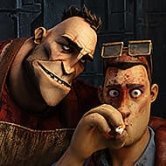
HANDS OVER
 (1 оценок, среднее: 5.00 из 5)
 Loading...
Similar Games




Description
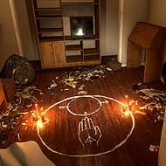
In HANDS OVER you start seated at a table with up to four other players, a dangerous device in front of everyone, and influence cards that can change the odds, which matters more than any single move. The rules take seconds to learn, and the pressure arrives right after. Every turn puts someone under strain, and every hesitation tells the table who to target next. The aim is simple: stay in your seat longer than anyone else.
| Genre | Multiplayer horror |
| Players | Up to 5 |
| Perspective | First-person |
| Core loop | Table challenges and influence cards |
| Goal | Be the last player left at the table |
Taking a Seat in HANDS OVER: Five Players, One Table
The setup is a cruel show. Players are trapped, forced to take their seats, and face warped versions of games that once seemed like harmless fun. Matches take place in dark, oppressive rooms among cruel devices and uneasy characters, with the feeling that something is waiting for your next mistake. The store pitch puts it bluntly: this is not a kids’ game anymore.
The pitch calls it a co-op horror game, because you sit down with friends, but the rules reward betrayal. You bluff, sabotage, and play dirty, so the match behaves more like an everyone-for-themselves table than a team effort. That mismatch between label and play is something new players should expect. Groups that enjoy friendly backstabbing will find it fits perfectly.
The camera is first-person, and the focus stays narrow on the table, the players, the device, and the next terrible decision. Nothing competes for your attention, which makes tension easy to build. The pitch also stresses that the game is easy to understand and fun to watch, which suits players who like recording clips and replaying bad decisions with friends.
Press the Teeth: When a Simple Challenge Turns Cruel
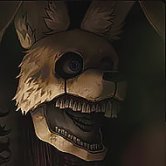
The clearest example of the idea is the teeth challenge: press the teeth one by one, and one of them is the wrong one. That is enough to understand it before the tension starts. HANDS OVER takes instantly readable mini-games like this and turns them into sinister multiplayer mind games, where every simple action can change the match. Simple rules, sinister consequences.
Beginners often assume a safe-looking move is safe. The game is built to punish that comfort, because a harmless-looking choice can become a problem in seconds once the right card hits the table. One extra second of hesitation can also make you the next target, since everyone reads your pause as weakness. Confidence, even faked, is part of how you survive.
Early in a match, the table is crowded and the pressure is spread out. Once seats start emptying, the focus tightens on fewer players, and every challenge feels heavier. By the time two players remain, a single press of the wrong tooth is a match-deciding moment. That rising stakes curve is the nearest thing the game has to difficulty progression.
Influence Cards: Bluffing, Protection, and Sabotage
Bluff: Between turns, players use influence cards to change the odds, and the cards double as psychological tools. A card can throw the table off, and a bluff can make others second-guess a move you were never going to make. The best players act as though they hold exactly the card they need. Players who enjoy reading faces and reactions will find this the most rewarding layer.
Protect: Some cards exist to shield you from a bad outcome. A defensive card can turn a looming disaster into a close call, which is why holding one back can be smarter than spending it early. New players tend to burn their best influence cards on the first trouble they see. Patient players save them for the turns when the table is actually closing in.
Sabotage: The remaining cards are about making someone else’s turn worse and triggering chaotic events. A desperate player can turn the whole table against one target in a single move, and a card can break someone’s careful plan. Aggressive players will love how quickly the balance can swing. Cautious ones may find that staying out of the spotlight is a strategy of its own.
Losing a Hand: Punishment and the Last Player at the Table
Failure here is not just a number on the screen. A bad move can cost you a hand, knock you out of the round, and shift the balance at the table until the whole match turns against you. Every punishment is visible and clear, designed for moments players will want to record, share, and replay. That visibility makes each mistake feel personal.
Elimination is gradual. One by one, players lose their place at the table, and the last one left gets to smile. That structure means you are always watching the seat count and weighing whether to help a rival survive or push them out. Competitive players will enjoy the cold math of when to take someone down.
The content is worth reading before you sit down. The game contains stylized horror violence, blood, and scenes of hand injury caused by a fictional mechanical device. The style is non-realistic, but the developers acknowledge some scenes may still disturb sensitive players. It does not include sexual content, nudity, or extremist themes.
What Divides Players in HANDS OVER
Tone is the first split. The mix of dark humor and horror suits groups who laugh when a friend loses a hand, and it will put off anyone who prefers their horror serious. The cruelty is part of the joke, and the pitch makes no attempt to soften it. If dark comedy is not your taste, you will know quickly.
Variety is the second. The developers describe the current match loop as the core, with multiplayer systems and card interactions in place, and they plan more challenges and modes, a wider influence card system, and progression with extra characters and customization. Match variety is one of the areas they say they want to improve. Players who want a deep roster of challenges right away may find it still growing.
Finally, the game is built around a full table of five. Short, chaotic sessions with friends are the sweet spot, and the experience depends heavily on who is sitting across from you. Bluffing games reward groups that know each other’s tells. Those who prefer solo play, or who dislike hand-injury imagery, should look elsewhere.
HANDS OVER works best when the table feels like it is watching you: you hold an influence card you are not sure you should spend, the next challenge is a row of teeth with one wrong answer, and a friend is already eyeing your seat. Come ready to bluff, sabotage, and lose a hand or two. Players who love tense, social mind games will find a short, cruel table worth returning to.