









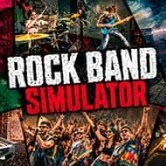
Rock Band Simulator
 (1 оценок, среднее: 5.00 из 5)
 Loading...
Similar Games







Description
You wake up in Ashport with a dead amp, two bandmates who may or may not be conscious, and a show at 21:00 that will not move for anyone. Rock Band Simulator turns that one problem into a first-person life sim about surviving seven days in a rough 1990s neighbourhood. You are the lead guitarist, money is thin, the people offering work skip the details, and the stage is waiting regardless.
| Genre | First-person rock band life sim with rhythm-based gigs |
| Setting | Ashport, a rough 1990s neighbourhood |
| Structure | Seven in-game days, one concert every night at 21:00 |
| Players | Single-player |
| Platform | PC (Windows) |
| Content | Crude comedy with strong language, drinking, drug use and street fights |
Seven Days in Ashport and the Loop That Drives Them
The structure of the week is simple to describe and hard to keep under control. Every day you explore Ashport, a neighbourhood of bars, back rooms and garages, pick up work from people who skip the details, and try to scrape together enough cash to keep the band functional. Everything funnels toward one fixed point: the rhythm-based concert at 21:00. Main quests push the story forward, side jobs appear as you wander, and the game never lets you forget that the clock is the real boss.
Seven days is shorter than it sounds.
New quests, side jobs, random events and mini-bosses arrive each day, so day four does not play like day one. Your reputation grows, relationships with Evgen and Diman shift, and fresh opportunities turn up, some of them genuinely useful and some of them traps with a friendly face. A common beginner mistake is treating the first day as a tutorial and wandering without a plan, because the amp, the gear and the garage all compete for the same limited cash.
The loop rewards anyone who plans backwards from the evening. If the show is at 21:00 and the amp is dead, then the afternoon belongs to whatever fixes the amp, and every detour has to justify itself. Explorers who like poking into every back room will love Ashport, but they will also pay for it in missed money.
Rhythm Gigs and the 21:00 Deadline
Gigs are where the rhythm side of the game lives. You play a set in front of a crowd, and instead of marching through a fixed playlist you choose what comes next, control the flow of the set and decide when to call it a night. That last decision matters more than it sounds, because a set is something you manage, not only something you survive. A good gig builds your reputation, while a bad one gives the guys something to argue about on the way home.
Early in the game the first obstacle is the dead amp, and a replacement costs money. Money means work, work means time, and time is exactly what you do not have when the show is fixed at 21:00. That chain is the engine of the whole game: gear feeds performance, performance feeds reputation, and reputation opens the next round of opportunities.
Rhythm fans will want to protect their stage time above everything else, since a wrecked condition at 21:00 undercuts the one system they came for. Life-sim fans may find the chaos before the show more entertaining than the set itself, and that split is a big part of what makes the game interesting.
Cans, Blackjack and Shady Jobs: Where the Money Comes From
Cash is the constant pressure in Ashport, and the game offers several ways to earn it, each with a different risk profile. Here is how the main routes break down:
- Collecting cans around the neighbourhood is slow, dull and safe.
- Odd jobs for locals give you a reliable middle ground between safety and speed.
- Blackjack is the fast gamble, and it can fix the amp problem or deepen it in a single hand.
- Shadier work means sneaking past cameras and getting your hands dirty for people who do not explain much.
Collecting cans is the safe baseline, the right choice when you only need a small top-up before 21:00. Blackjack is the opposite, because every hand whispers that you are one good deal away from solving everything, and that whisper is how entire afternoons disappear.
The shady work is where Ashport shows its teeth. Locals hand you jobs that get harder to explain the further you go, with cameras to sneak past and questions you probably should have asked earlier. Gamblers and risk-takers will gravitate to the fast money, but the safe route is a perfectly valid way to play.
Managing ADR Without Health Bars in Rock Band Simulator
There are no health bars here. Instead the game runs on the Adrenaline system, shortened to ADR, which tracks how pumped up or worn down you are. You hit harder in the sweet spot, but push too far and you go down. Beer, cigarettes and other substances all change your condition, so what you put into yourself during the afternoon follows you onto the stage.
A workable day looks something like this:
- Check your gear first and fix whatever is broken, starting with the amp.
- Earn the money you need early, while your condition is still clean.
- Take risky work or fights only if you can afford the damage before the show.
- Arrive at the 21:00 concert with ADR under control, not at its limit.
Fights are optional until they are not. Underground fights, gangsters and the police all offer ways to lose the rest of your afternoon, and you can block and grab whatever is lying around to even the odds. Brawlers will enjoy that freedom, but the same hands that throw punches need to play the set later.
Evgen, Diman and the Garage Between Gigs
Evgen plays bass and Diman plays drums, and you need both of them in the same place, preferably conscious. That small line captures the band dynamic well: they are less a support system and more a shared responsibility. Relationships change over the week, which is why a rough night can echo into the next morning.
Between gigs you upgrade and customise the garage, the gear, the car and your character. Posters and vinyl records fill the walls, photos feed your in-game social media following, and the space slowly becomes somewhere the band is happy to come home to. Some of those decorations arrive through slightly questionable means, and the game is cheerfully upfront about it.
Collectors will find plenty to chase here, because the garage is where progress becomes visible. Every poster is a small receipt for a bad decision or a good night, and that gives the downtime between concerts a purpose beyond recovery.
What Divides Players in Rock Band Simulator
The tone is deliberately crude. The game is a comedy built on strong language, sexual innuendo, heavy drinking, drug use and street fights with blood, and one scene lets an axe remove limbs from defeated opponents. For some players that is the whole appeal, and for others it is a quick reason to close the window, so read the content notes honestly before you commit.
Pressure is the other divider. Seven days and a fixed 21:00 show create real tension, and anyone who prefers calm sandbox pacing may feel rushed or find the cash grind frustrating when a dead amp stalls everything. The flip side is that the pressure gives each choice weight, which is why the game works as a survival story as much as a band story.
Then there is the question of how much rhythm versus life sim you want. Players who expect a pure music game may be surprised by how much of the week happens outside the stage, while immersive-sim fans may wish the concerts went deeper. The mix is unusual, and how you feel about it will shape how you feel about the whole run.
Common Questions Before Your First Night in Ashport
What is the quickest way to earn money in Ashport?
There is no single best route, only trade-offs. Collecting cans is slow but safe, odd jobs from locals give a steadier middle ground, blackjack can solve an amp problem in one hand or make it worse, and the shadier jobs carry the biggest risk. Early in the week, steady income usually matters more than a gamble.
How does the ADR system work?
ADR replaces a health bar. You hit harder in the sweet spot, but pushing past it knocks you down, and beer, cigarettes and other substances all change where you sit. Treat it as a resource to manage before the 21:00 concert, not only during fights.
How long is a run and are there multiple endings?
A run covers seven in-game days, and the game offers more than one ending depending on how you handle quests, jobs and the band. Real-time length depends on how much of Ashport you explore, so a careful first run will usually take longer than a focused second one.
Rock Band Simulator works best when you treat the 21:00 show as the fixed point and everything else as a negotiation. Evgen and Diman need to be conscious, the amp needs replacing, ADR needs watching, and Ashport will offer a dozen reasons to ignore all of it. Decide what the band can afford to lose, and you will know whether the week ends on stage or in the gutter.