
















Vampire Crawlers
 (1 оценок, среднее: 5.00 из 5)
 Loading...
Similar Games



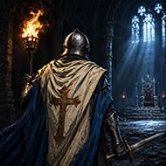







Description
Vampire Crawlers looks like another deckbuilder wearing a famous name, but it plays like a puzzle about mana order that happens to have vampires in it. You walk a first-person dungeon, bump into enemies, and fight with a hand of cards, yet the real fight is against your own sequencing. The weapons and companions you know from Vampire Survivors return as cards, and they behave very differently once the multipliers start stacking.
| Genre | Roguelite deckbuilder in a first-person dungeon crawler setting |
| Platform | PC and major consoles |
| Players | Single-player |
| Core mechanic | Playing cards in ascending mana cost to build combo chains |
| Run structure | Short runs with permanent village upgrades |
| Familiar elements | Characters, weapons, and locations from Vampire Survivors |
The Turboturn Rule That Powers Vampire Crawlers
Each turn you draw a hand and spend mana to play cards, and the whole system hinges on one rule. If you play cards in ascending mana cost order, starting with a 0-cost card and moving to 1, then 2, then 3, each card multiplies the effect of the next one. That chain is the Turboturn, and a long one turns an ordinary Knife into a screen-clearing hit.
Nothing forces you to rush, so careful sequencing is never punished by a timer. The turns still feel fast because chains resolve in a burst, which is how the game keeps the snowballing rush of its bullet heaven origins.
Wild cards are the exception to the strict order. They let you jump from a 1-cost card to a 3-cost card without breaking the chain, which makes them the glue of any serious deck.
Mana Curves and the Mistakes That End Early Runs
Your mana count is the ceiling for both your combo and your offense, so a deck full of expensive cards will hand you hands that cannot start a chain. Beginners often pack in heavy hitters and then watch a hand of 3-cost cards do almost nothing. A healthy deck has cheap setup cards at 0 and 1 to open each turn, with the heavier payoffs saved for the end of the chain.
The second classic mistake is spending Wild cards the moment you draw them. Hold one until a gap actually appears in your sequence, then use it to bridge the jump and keep the multiplier alive.
Balance matters as well, because armor cards keep a run alive while offensive cards win it. Players coming from Slay the Spire tend to block every turn, while Vampire Survivors regulars want to go all in on damage, and both habits cost runs. The tutorial covers the combo rule the least thoroughly, which is a common complaint, so expect your first few runs to be about learning ordering by feel.
Imelda, Gennaro, Pasqualina, Poe, and Arca Compared
Each character begins a run with a different starting weapon, and the choice changes how your first hands feel. Some are available early, while others ask you to prove yourself through play. Here is how the main roster looks:
- Imelda Belpaese starts with the Magic Wand and is available from the Inn at the start of the game.
- Gennaro Belpaese starts with the Knife and unlocks after you defeat the Mantichana boss in Mad Forest.
- Pasqualina Belpaese starts with Runetracer and unlocks when you reach Level 20 with Imelda in the Inlaid Library.
- Poe starts with Garlic and unlocks after you play Garlic cards 25 times across any runs.
- Arca starts with the Fire Wand and unlocks after you play Fire Wand cards 100 times across any runs.
The unlock conditions are worth reading closely, because two of them depend on card play counts instead of boss kills. A player who enjoys experimenting with weapon types will naturally drift toward Poe and Arca, while someone who just wants a steady first pick can stay with Imelda until the roster opens up.
Choosing a starting weapon also shapes which evolutions you can chase later, so it is worth treating your first character as a commitment for that run, not a throwaway selection.
Gems, Evolutions, and Where Vampire Crawlers Gets Broken
Gems are what push a deck from good to absurd. Easy Combo makes a card always benefit from the combo, ignoring the ascending order rule, and Reverse Combo lets the next card continue the chain no matter its cost. Stacking these on your best cards is where the so-called broken builds come from, and players love hunting for them.
Evolution Gems come from treasure chests you headbutt while exploring the dungeons. You apply them directly to your base weapon cards, and the weapon evolution recipes carry over from Vampire Survivors, so veterans will recognize the logic. Village upgrades and Arcana cards add more layers between runs, which keeps every new attempt slightly stronger than the last.
Not everyone agrees the result is perfect. One review called the dungeon crawling a little awkward in places, and some longtime Vampire Survivors fans miss the screen-filling chaos of the original. Even so, the combo engine is what most players keep coming back for.
From Mad Forest to the Inlaid Library
Runs start from scratch each time, which will feel familiar if you have played the earlier game. The locations are reused too, and Mad Forest is where you meet the Mantichana, the boss whose defeat unlocks Gennaro. Early in the game that fight is the first real test of whether your deck can open a chain reliably.
By the time you reach the Inlaid Library, you are expected to have a deck that survives long enough to reach Level 20 there, since that is the condition for unlocking Pasqualina with Imelda. That requirement quietly teaches you to build around sustain and not just burst damage.
Runs never drag on for too long, which suits short sessions, and each one nudges you toward a sharper mana curve. The difficulty is less about a single wall and more about whether your sequencing keeps pace with the enemies.
Questions Players Ask About Vampire Crawlers
- Do I need to have played Vampire Survivors before Vampire Crawlers? No. The card battles, mana system, and Turboturn combos are completely separate from the original, so you can start fresh with Imelda and the Magic Wand. Familiarity with the original characters and weapons is a bonus for recognizing evolutions, not a requirement.
- How do Wild cards and gems keep a combo going? A Wild card bridges a gap in your mana order, such as jumping from a 1-cost card to a 3-cost card, without breaking the chain. Gems like Easy Combo and Reverse Combo go further by letting a card trigger the multiplier regardless of the usual ascending order.
- How do you unlock Gennaro and Pasqualina? Gennaro unlocks when you defeat the Mantichana boss in Mad Forest, and he starts with the Knife. Pasqualina unlocks once you reach Level 20 with Imelda in the Inlaid Library, and she starts with Runetracer.
Vampire Crawlers is at its best the moment a hand of Magic Wand and Knife cards lines up from 0 to 3 mana and the Turboturn multiplier starts doing the work you built toward all run. Whether you lean on a Wild card to bridge a gap or stack Easy Combo gems on your strongest weapon, the run is won in the order of your plays.