















My Singing Monsters
 (1 оценок, среднее: 5.00 из 5)
 Loading...
Similar Games





Description
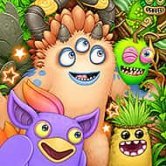
My Singing Monsters looks like a cute creature collector made for casual sessions, but it plays like a long-range scheduling puzzle where every Breeding Structure timer matters. The colorful monsters are also living instruments, so each placement on an island changes the song you hear. Players who open the game expecting a quick toy end up checking Nursery timers at lunch. That mix of music and patience is the whole appeal, and it explains why millions of players keep coming back.
| Genre | Creature collecting and music simulation |
| Monsters | More than 650 to collect |
| Islands | Over 40, each with its own sound |
| Core Loop | Breed, feed, place, and listen |
Plant Island Foundations in My Singing Monsters
Every save starts on Plant Island with a small cast of Natural monsters. Noggin and Mammott cost 300 coins each, and Potbelly and Toe Jammer round out the early roster that nearly every breeding recipe depends on. Each one sings a distinct line, and the same monster placed on a different island produces a different sound, so the song you hear is truly yours.
Place a few and just listen for a minute.
Early in the game the structures that matter most are the Castle, which acts as the center of operations on each island, the Breeding Structure, where two monsters of different species combine, and the Nursery, which hatches the resulting eggs. Players who love tinkering with melodies can treat an island like a mixing board, since moving a single Mammott changes how the whole track layers.
Coin Rate, Coin Max, and Treat Feeding
Experienced players on the Steam forums point newcomers to two numbers first: a monster’s coin rate and its coin max. Rate controls how fast coins pile up, while max caps how much that monster holds before you tap to collect. A monster with a high rate but a low max stops earning once it is full, so check in often or favor monsters that store more.
Feeding treats levels your monsters up, and that matters for breeding. Once two monsters reach level 4, you can send them to the Breeding Structure and press the breed button. Skipping treats is the most common reason a new player stares at a Breeding Structure that will not accept a pair.
Players with busy schedules should collect coins before logging off for work and feed treats in bursts instead of sprinkling them across the day. The economy rewards routine more than it rewards long sessions, which is why short, frequent check-ins tend to work better than a single marathon.
Breeding Timing in My Singing Monsters From Maw to Entbrat
Natural monsters follow a ladder, and the first rungs are quick. Noggin and Mammott make Drumpler, Noggin and Toe Jammer make Fwog, and Toe Jammer and Mammott make Maw, with each taking about 30 minutes on a standard Breeding Structure. Some pairings can hatch more than one possible monster, which is why veterans plan around recipe tables instead of guessing.
- Shrubb, Furcorn, and Oaktopus come from Potbelly paired with Noggin, Mammott, or Toe Jammer, and each takes about 8 hours.
- T-Rox takes 8 hours and can come from Noggin and Maw, Toe Jammer and Drumpler, or Mammott and Fwog.
- Pummel and Bowgart take 12 hours each, for example Potbelly and Fwog for Pummel or Potbelly and Maw for Bowgart.
- Entbrat takes 24 hours, with recipes such as T-Rox and Potbelly or Bowgart and Noggin.
So when players ask how long a T-Rox takes, the answer is 8 hours, and when they ask how to get an Entbrat, the answer is a full day of waiting after pairing a T-Rox with a Potbelly or using one of the other listed combinations. That jump from minutes to a whole day is the first moment many players realize the game is really about planning your next check-in.
Branching Out to Cold Island, Air Island, and Fire Haven
Once Plant Island settles into a rhythm, Cold Island, Air Island, Water Island, and Earth Island each bring a different combination of monsters and a different sound. Each island has its own roster, so your gang ends up as diverse as your playlist. Moving between them also changes what you can breed, because some recipes only work in certain places.
Fire monsters are native to Fire Haven and Fire Oasis, and they carry a fire affinity that sets them apart from the Naturals you started with. Once Kayna appears, new recipes open up: Kayna and Noggin make Stogg, Kayna and Toe Jammer make Phangler, and Kayna and Mammott make Boskus. These pairings are the first step toward the more exotic monsters that Fire Haven and neighboring islands unlock.
Completionists chasing more than 650 monsters should map out recipes per island before spending diamonds, because a wrong pairing means another long wait. The sheer breadth of the roster is both the draw and the biggest time commitment in the game.
Composer Island, Top Islands, and Monsterpieces
Beyond breeding, the community side gives your monsters an audience. You can share your compositions on Composer Island, climb the ranks of the Top Islands, and explore community-driven Monsterpieces. Players who care more about sound than collecting often spend most of their time here.
Cosmetics add another layer. More than 450 costumes let you dress your monsters, while décor and artifacts reshape how an island looks. Separate skin packs for islands and seasonal events also exist, and regular updates keep seasonal events arriving throughout the year.
You can also collaborate with friends and visit what other players have built, which turns a solitary scheduling puzzle into something closer to a shared stage. Players who enjoy the visual side as much as the music will find plenty to tweak.
Timers, Spending, and Debates Around My Singing Monsters
The waiting is the most divisive part. A 24-hour Entbrat breed feels relaxing to players who like a slow rhythm and grindy to those who want to see results quickly. The game also needs an internet connection to play, which rules it out for offline stretches like flights or commutes through dead zones.
The Steam listing notes that some in-game items can be purchased with real money, and there is a separate range of cosmetic skin packs. Whether spending speeds things up fairly is something players debate, and many simply ignore the shop and enjoy the pace. Nothing about the music itself forces a purchase, so the decision comes down to how much you want to shortcut the timers.
Honest advice from long-time players is to pick a few target monsters, queue breeds before bed, and let the Nursery do the work while you sleep.
My Singing Monsters rewards patience more than skill: a Potbelly fed at the right moment, a T-Rox hatching after eight quiet hours, and an Entbrat finally appearing in the Nursery after a full day are the beats that keep the song moving. If you enjoy tuning an island until every Noggin, Mammott, and Toe Jammer fits the melody, the waiting becomes part of the music.