



Twisted Tower
 (Пока оценок нет)
 Loading...
Similar Games

Description
Twisted Tower looks like a haunted carnival shooter with a coat of paint borrowed from old fairy tales, but it plays like something closer to BioShock crossed with a horror funhouse, and that gap between expectation and reality is exactly where the game wants you.
| Genre | First-person shooter |
| Setting | Abandoned 1950s theme park |
| Protagonist | Vincent |
| Core Loop | Combat through fairy-tale-themed zones toward the tower’s top |
Vincent’s Climb Through the Twisted Tower
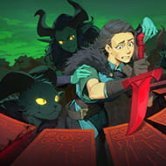
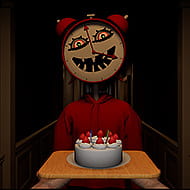
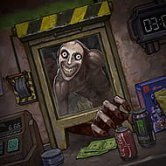
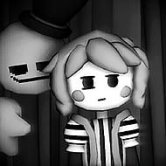
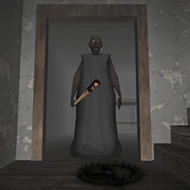
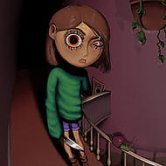
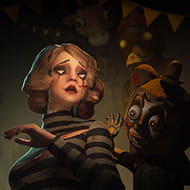
You play as Vincent, chasing his kidnapped girlfriend through a decaying amusement park crawling with twisted fairy-tale mascots. Every zone reskins a familiar story — the game leans hard into this, dressing enemies and set pieces in the visual language of stories you already know, then breaking that comfort with sudden gore or a mascot costume that moves wrong. The shooting itself borrows structure from Half-Life and Resident Evil: tight corridors, resource management, and set-piece rooms that punish players who rush.
What players in forums keep coming back to is the ending. Vincent reaches the top, defeats the “monster,” and kisses his girlfriend — only to notice she now has two arms, despite one being severed earlier in the game. Cameras are visible around the set. A voice yells “cut.” The game plants letters throughout its levels hinting that this entire ordeal might be a film production orchestrated by Vincent’s own father, and that Vincent’s apparent kidnapping could be a symptom of something closer to a breakdown than a conspiracy.
Combat Pacing and the Theme Park Structure
Early in the game, combat stays forgiving — ammo is plentiful, and the fairy-tale mascots telegraph their attacks. That changes once you clear the first few zones and the tower starts stacking hazards: environmental traps alongside enemy waves, puzzle rooms that gate progress behind a specific weapon, and corridors where retreating is worse than pushing forward. Newer players often waste resources on early encounters instead of saving heavier weapons for the mascot bosses guarding each zone transition.
- Players drawn to shooters for mechanical challenge tend to praise the boss encounters at each zone gate.
- Story-focused players spend extra time backtracking for the scattered letters that recontextualize the ending.
- Completionist types chase full clears of every fairy-tale zone before advancing to the tower’s upper floors.
The Divisive Twist Ending
Not everyone loves the film-within-a-film reveal. Some players feel it retroactively cheapens the horror stakes they’d been invested in for hours; others think it’s the smartest thing the game does, since it recontextualizes every camera and staged-looking set piece you’d been ignoring as background dressing. That split is one of the more common debates in discussions about Twisted Tower once people finish it.
What weapons does Vincent get access to?
Vincent’s arsenal expands zone by zone, mirroring the fairy-tale theming of each area, with heavier weapons typically gated behind the mini-boss mascot fights rather than handed out freely.
Is the ending meant to be taken literally?
The letters scattered across the park strongly suggest Vincent’s father staged the entire ordeal as a film production, though the game leaves enough ambiguity that some players read it as Vincent’s own psychological break instead.
How long does a full playthrough take?
Most players clear the fairy-tale zones and reach the tower’s top within a single extended session, with additional time added for players hunting the scattered letters.
By the time the credits actually run, Twisted Tower has spent its entire runtime training you to distrust the theme park it built, and Vincent’s final walk past the cameras lands harder because you’ve been half-expecting the “cut” since the second zone.