










Tiles of Grimmwoods
 (Пока оценок нет)
 Loading...
Similar Games










Description
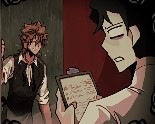
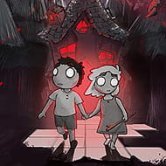
What happens when a roguelike deckbuilder asks you to place tiles on a paper scroll instead of playing attack cards? Tiles of Grimmwoods answers with a dark fairy tale in which you act as the narrator and light the way for lost kids stumbling through a twisted forest. Every tile you lay changes what waits on the path, so the strategy starts long before any creature shows up.
| Genre | Roguelike deckbuilder, turn-based strategy |
| Setting | Dark fairy tale forest |
| Core action | Placing tiles on a paper scroll |
| Failure | Permadeath |
| Mode | Single-player |
Tile Placement on the Paper Scroll in Tiles of Grimmwoods
You play as the narrator of the fairy tale, and your job is to enlighten the path by placing tiles on a paper scroll. Each tile reveals items, effects, or treasure, and whatever you reveal on the grid shows up on the path the kids walk. That link is the whole puzzle: placement is not decoration, it is the plan. Traps, poisonous apples, and other dangers can sit in the shadows as well, so a careless placement can leave the kids walking into trouble.
Lurking creatures add the second layer. Rather than fighting head-on, you can lay traps for them or lure them into dangers the kids want to avoid, which turns the scroll into a small trap-setting puzzle. Puzzle fans who like reading several moves ahead will feel at home here.
The paper scroll look sells the premise, with hand-drawn art and a comic book tone that match the tags on the store page. It also keeps the board readable, which matters when you are juggling items, creatures, and rising fear at the same time.
Mistakes Newcomers Make With Early Tiles
The first trap is treating every tile as equal. Beginners often drop helpful items wherever there is space without asking how the layout reads as a path, and then wonder why the kids reach a creature unprepared. A tile that looks generous in your hand can be a liability once it sits next to a trap or a poisonous apple.
The second mistake is moving too slowly. The pitch mentions ever rising fear, which signals that a patient, greedy approach carries a cost. Plan the route before you place, then commit.
Roguelike veterans often assume that grabbing every reward is correct. In a deckbuilder that habit leads to deck bloat, and the game lets you remove tiles you do not need. Newcomers who skip that option usually feel the weight of a crowded deck by the middle of a run.
Deckbuilding, Enchantments and Thinning the Deck
Progress in a run comes from three kinds of change to your setup, and each one asks for a different kind of judgment. Deckbuilding fans will recognise the rhythm immediately, though the tile twist keeps it fresh.
- Add powerful new tiles to handle tougher challenges as the forest gets darker.
- Remove tiles you no longer need, the community habit known as thinning the deck.
- Find enchantments that give the kids permanent benefits and special abilities.
Enchantments deserve special attention. They are spells that grant abilities which can make the difference between life and death, so choosing one is closer to choosing a strategy than picking a bonus.
Thinning pairs well with enchantments. A smaller deck makes your best tiles easier to find, and a strong enchantment gives the kids a reliable edge once the creatures grow nastier.
Choosing a Route Through the Grimmwoods
The forest is not a straight line. You choose your own path through branching routes that include at least three kinds of stops, namely elite enemies, merchants, and treasures, plus other mysteries of the woods. Every fork is a bet on how well your current deck can survive what waits.
Early in a run, safer stops help you build strength. Once an elite enemy appears on a branch, the question changes from what can I gain to what can I survive. Greedy players will take the risk, careful players will wait for a better deck.
A branch with a merchant is where many players pause to think about their deck. That is also the moment to look back at your last few fights and ask which tiles actually helped.
Replay Value and Where Tiles of Grimmwoods Divides Players
New characters unlock over time, each with an individual starting deck and abilities, and the pitch promises a wide variety of tiles, enchantments, items, and effects. That variety is what keeps a second or third run from repeating the first. The interface also supports three languages, English, French, and German.
Permadeath is the divisive part. A run can end abruptly, and players used to gentler puzzle games may find that harsh, especially when randomness gives them a poor selection of tiles. Roguelike fans see this as the point, while others see it as a barrier.
The genre is crowded, and the tile placement twist is what separates this one from other deckbuilders. Some players will love the gloomy fairy tale tone, and others will find it too dark for a strategy session.
Questions Players Ask About Tiles of Grimmwoods
- Is Tiles of Grimmwoods a roguelike deckbuilder? Yes. You build a deck of tiles, upgrade it between encounters, and travel along branching paths, with permadeath ending a failed run. The tile placement on the paper scroll is what makes it different from a standard card battler.
- How do enchantments work? Enchantments are spells that give the kids permanent benefits and special abilities. You find them as you progress, and a well-chosen one can decide whether the kids survive a tough creature or an elite fight.
- Can you remove tiles from your deck? Yes. You can remove tiles you do not need, which is the usual way to keep the deck focused. Doing this alongside adding stronger tiles is how most players handle the tougher stretches of the forest.
Tiles of Grimmwoods rewards players who think like a narrator, shaping the scroll so lost kids meet the right tile at the right time. Between poisonous apples, lurking creatures, and the pull of a new enchantment, every run asks you to decide what to place, what to cut, and how far into the forest you dare to go.