










Spiritus Sancti
 (Пока оценок нет)
 Loading...
Similar Games





Description
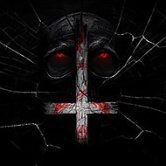
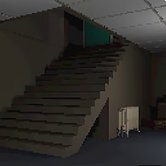
You steady your breath in the dark apartment on Vayra Street, lean toward the microphone, and the Latin leaves your mouth half a second too slowly. In Spiritus Sancti that hesitation is the difference between a stunned demon and a very bad night.
| Genre | First-person psychological horror |
| Main input | Your spoken voice |
| Role | Father Nathaniel |
| Setting | An apartment on Vayra Street |
Speaking the Rites: Voice as a Weapon in Spiritus Sancti
The game listens for real words, not just noise. You speak sacred rites through the microphone to repel, stun, and exorcise the demon, and timing and pronunciation decide whether a line lands. The invocations are short on purpose, so you can remember them while running for your life.
Early in the game the lines are forgiving and the encounters leave room to breathe. As the apartment opens up, the demands grow: longer invocations, tighter windows, and new mechanics that punish mumbling.
Players who love pure immersion will feel this instantly, while anyone in a noisy room will struggle to be heard. A quiet space is part of the setup.
Father Nathaniel, Luisa, and the Apartment That Will Not Let You Leave
You play as Father Nathaniel, a young priest sent to investigate a suspected possession in a small apartment on Vayra Street. His mentor told him to verify and not engage, and Nathaniel’s eagerness to prove himself is what opens the door. Once the demon inside Luisa is released, the apartment closes around you.
Father Gabriel, whose voice guides you and delivers much of the backstory, matters more than his few lines suggest. Story hunters should read every note, because the tale is not quite what it seems.
The horror is quieter than a monster rush. The demon roams the apartment, learns how you fight, and adapts, so repeating one rite forever stops working.
Cusco the Dog, the Veil, and Other Ways Spiritus Sancti Breaks the Formula
Cusco is a dog who listens to your voice commands, stays close as a companion, and leads you toward the current objective when you ask him to search. Players adore him, and that is no accident, because he gives the quiet stretches a heartbeat.
A later mechanic called the Veil lets you split and remove colors from the environment. It changes how rooms read and hides things in plain sight.
Your voice ends up doing far more than fighting:
- Speak rites to repel and stun the demon
- Ask Cusco to search for the next objective
- Use the Veil to see what color hides
Chase Sequences, Puzzles, and What Voice Control Costs You
Speaking while running is the signature moment: the demon closes in, your line has to come out clean, and any stumble means starting the rite again. In the later rooms of the apartment, the chase sequences ask for longer phrases than the opening ever hinted at.
Recognition is the sticking point. Some players find the voice system remarkably accurate, while others fight with pronunciation, accents, or a quiet microphone. A hard puzzle can also stall a tense mood, and players should expect to get stuck now and then.
Horror streamers get the most out of it, because reading Latin under pressure is funny and terrifying at the same time. Viewers love watching a brave voice crack.
Surviving Your First Night Before the Rites Feel Natural
Start by testing your microphone in a quiet room and speaking slightly slower than feels normal. Accuracy matters more than volume, and shouting mostly wastes breath.
Keep a sheet of the rites nearby for your first run, then drop it once the shapes of the phrases settle in. Most players memorize the shortest invocation first and build from there.
Three questions come up again and again from first-time exorcists. The answers save a lot of frustration before the first night in the apartment.
- Does Spiritus Sancti need a microphone? Yes. Your voice is the weapon, so you speak invocations aloud to repel, stun, and weaken the demon, and there is no button-mashing substitute.
- Do you need to know Latin? No. The rites are short and you learn them as you go, but clean pronunciation and steady timing decide whether Father Nathaniel’s words actually land.
- What does Cusco actually do? He listens to your voice commands and stays close as a companion. Ask him to search and he leads you toward the current objective, which makes him a guide as well.
Spiritus Sancti lingers whenever Father Nathaniel’s voice cracks, Cusco pads beside you down a dark hall on Vayra Street, and the demon in Luisa waits for a single missed word. The fear comes from your own breath rather than a jump scare.