






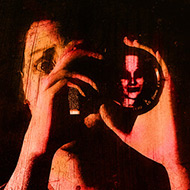
Shutter Story
 (Пока оценок нет)
 Loading...
Similar Games



Description
What happens once the stimulation bar in Shutter Story refuses to sit still, no matter how carefully you nudge the mouse? That question is usually the moment a new player realizes this is not a passive horror clip to sit through. It is a short, mechanically demanding assessment dressed up as glitchy found-footage horror, and it expects your hands to keep pace with your nerves.
| Genre | Horror, Adventure |
| Platform | Browser |
| Mode | Single player |
| Typical session | 15-30 minutes |
The Stimulation Bar That Won’t Sit Still
Every section of Shutter Story runs on the same underlying pressure: a stimulation bar that has to stay in a moderate range while you work through a puzzle layered on top of it. Push it too high and the section fails outright. Let it drift too low and you fail just as hard, which surprises players who assume calm, careful play is always the safe option.
Beginners tend to fixate entirely on the puzzle in front of them and forget the bar exists until it has already tipped past where it needed to be. That single habit accounts for most early failures, long before the harder sections even show up.
By the time you reach the second or third test, the game stops explaining itself and expects you to have internalized the rhythm already.
Where Shutter Story’s Spot-the-Difference Rounds Turn Mean
One recurring test stage asks you to spot differences between two nearly identical images, except the images are run through constant chromatic aberration that smears edges and makes near-identical details genuinely hard to trust. Early in the game these rounds feel manageable. Later ones compress the time you get and add visual noise that punishes hesitation.
Players who treat this like a casual puzzle app get caught out here. The timer and the stimulation bar work against you at once, and neither waits for the other.
Community discussion around Shutter Story tends to single this stage out. People commonly admit they needed several attempts before the distortion stopped fooling them.
- Motion sickness reduction for the glitch effects
- A flashing image toggle for brightness swings
- Reduced mouse dexterity difficulty
- A no mistake limit mode for slower, safer runs
When the Eye Starts Watching
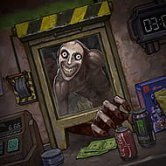
Once the eye first appears, the tone of Shutter Story shifts from puzzle pressure to something closer to a standoff. It shows up mid-section, uninvited, and you are given a choice: keep working and risk it lingering, or hit the emergency termination button and end the assessment on the spot.
That choice matters more than it first appears.
- The eye appears without warning during an active test section
- You either continue and hope the stimulation bar holds
- Or you trigger emergency termination and cut the run short
Reactions are mixed. Some call it the most memorable part of the run, a genuine jolt after quieter minutes; others feel it leans too hard on a jump-scare beat after all that restraint.
Two Ways Out of Shutter Story
Finishing an attempt in Shutter Story does not guarantee a clean outcome. Multiple endings exist, and which one you land on depends on how many mistakes piled up and whether you ever pressed that termination button out of frustration rather than necessity. Before each fresh attempt, a procedural startup sequence runs for roughly thirty seconds, which longtime players either skip past mentally or use to reset their focus.
Getting a favorable outcome usually means clearing every test section without leaning on the bailout option. That sounds simple until the maze-style stage is actively working against your patience.
Plenty of players describe wanting to throw their mouse aside during that maze stage. Most come back determined to finish clean.
How long does Shutter Story take to finish?
A single run lands somewhere between 15 and 30 minutes depending on your skill and which difficulty settings are active. Repeat attempts to see a different ending are common and usually faster once you know the sections.
Can you lower the difficulty in Shutter Story?
Yes. The settings menu includes a reduced mouse dexterity option and a no mistake limit mode, both aimed at players who want to see the full assessment without the sharper penalty for small errors.
What causes a bad ending in Shutter Story?
Failing multiple test sections or hitting emergency termination out of panic rather than as a deliberate choice tends to push you toward a worse outcome. The exact threshold is not spelled out, which keeps players guessing and comparing notes.
Shutter Story earns its reputation less from jump scares and more from watching the stimulation bar creep the wrong direction while the eye lingers off to the side. It stays short, occasionally punishing, and rare for its length in making the ending depend on how steady your hand stayed.