











Rust & Shine
 (1 оценок, среднее: 5.00 из 5)
 Loading...
Similar Games



Description
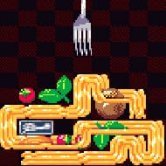
In Rust & Shine you start with a single bench, a wire brush, and a crate of lumps buried so deep in corrosion that you cannot even tell what they are, which matters because everything in the game grows from that first careful scrub. Cleaning reveals what each antique really is, and the money it earns funds a workshop that eventually runs itself.
| Genre | Cozy incremental restoration simulation |
| Core loop | Clean, identify, sell, upgrade |
| Cleaning tools | Wire brush, water gun, sandblaster |
| Automation | Repair-bots |
| Long-term goal | Relocate and spend Renown on permanent skills |
Scrubbing at the Bench in Rust & Shine
The opening hours are about hands-on cleaning. You strip corrosion layer by layer with a wire brush, and the piece stays hidden until it is clean, so every scrub carries a small question about what is underneath. That reveal is the heartbeat of the game, and it works because you never know whether a crate holds a trinket or something better.
Most pieces turn out to be trinkets, some are treasures, and once in a while the ugliest lump in the crate comes up Legendary. Legendary hunters treat that moment as the reason to keep playing, and it is where a plain cleaning loop becomes a treasure hunt.
The wire brush is only the first of three cleaning tools. Water gun and sandblaster follow, each changing how quickly the rust comes off. Early in the game you are careful and slow, and by the time the sandblaster appears the bench feels like a real workshop rather than a table with a brush on it.
Selling Pieces and Growing the Workshop Floor
Restored pieces turn into cash, and cash turns into stronger tools, better suppliers, and new stations for the workshop floor. Suppliers matter more than they first appear, since better ones deliver rarer crates, which raises the odds that a lump hiding under rust is worth real money.
Beginners commonly spend everything on tools and ignore suppliers, then wonder why the profit stalls. A balanced spread between faster cleaning and better crates keeps the loop moving, and cozy players who enjoy the scrubbing rarely mind a slower climb.
This upgrade path is classic incremental design. Each purchase makes the next cycle a little faster, so the first few minutes of a run feel slow and the later ones feel generous. It is a satisfying curve, though anyone who dislikes waiting to afford the next station may find the early pace gentle to the point of patience.
Repair-Bots and the Automated Workshop
Once repair-bots unlock, the workshop begins to run without you. They feed, clean, and sell while the money climbs, so an idler player can watch the floor work and step in only when a decision matters. That answers a common question: yes, Rust & Shine can play like an idle game once automation kicks in, though you can still keep the rarest pieces on your own bench and restore them by hand.
That choice is the most interesting tension in the game. Automation makes income grow quickly, yet every piece handed to a bot is one you do not scrub yourself, and hands-on players may feel the cozy part slipping away.
Automation fans will enjoy tuning the floor, adding stations and letting the bots do the work. Players who love the tactile cleaning can use bots for the bulk of the crate and save the exciting finds for the bench.
Contracts: Quotas, Bounties, and Commissions
Quota jobs put you on tight deadlines. They reward steady output, and they are the safest way to earn when a run feels slow, because the target is clear and the reward is predictable.
Bounties ask for specific finds. Instead of cleaning whatever arrives, you hunt for a particular piece, which pushes you to buy better crates and hope the right lump turns up.
Commissions pay well but demand a flawless restore. They are the high-risk option, and the ones most likely to tempt a player who wants to bet on the big jobs instead of taking the safe work.
Relocating and Prestige: Renown and the Heirloom Gallery in Rust & Shine
Eventually you outgrow the workshop and move to a grander one, which resets progress in exchange for Renown. This is the prestige loop that incremental fans know well, and it is where the game opens up.
Renown buys permanent skills that reshape how you play. You can build toward a slow and cozy style, a fully automated one, or a Legendary-hunting one, so two players can end up with very different workshops after the same number of moves.
Your Heirloom Gallery keeps every treasure you have ever restored, forever, which softens the reset. By the time you relocate for the third or fourth time, the gallery becomes a small museum of your best finds and a quiet reason to keep scrubbing.
Cozy Pacing and the Grind Question in Rust & Shine
Like most incremental games, this one asks you to repeat a loop and trust that the numbers will reward you. Some players love that rhythm and treat it as a relaxing background activity, while others find repetition wears thin once automation removes the hands-on work.
Luck plays a part too. A Legendary find is exciting precisely because it is rare, and a long stretch of trinkets can feel slow, especially if you are chasing a bounty.
Rust & Shine works best when you accept that pace, choose how much to automate, and let the wire brush, water gun, and sandblaster do their quiet work. The Heirloom Gallery fills up one careful restoration at a time.