







PAPERHEAD
 (1 оценок, среднее: 5.00 из 5)
 Loading...
Similar Games






Description
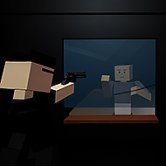
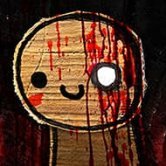
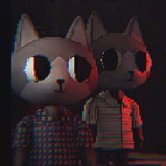
PAPERHEAD looks like a cute cardboard diorama and plays like a boomer shooter that’s actively trying to hurt you. That gap between the art style and the pace is the whole joke, and it stops being funny the moment something made of paper starts bleeding.
| Genre | Fast-paced FPS / horror-adventure |
| Mode | Singleplayer |
| Perspective | First-person |
| Setting | A cardboard world built around an abandoned research facility |
Waking Up in a Cell With No Explanation
PAPERHEAD opens with you coming to in a prison cell, corridors covered in runic symbols and something dark that shouldn’t be leaking out of cardboard. A voice calls from further in, and the only tools handed to you at the start are a shotgun and your own legs. There’s no cutscene dump explaining the world — the game trusts the environment to do that instead.
Players who expect a slow horror-walk misread the pacing almost immediately. This is a movement shooter first.
The Pencil Changes What PAPERHEAD Actually Is
The Pencil is the tool that separates PAPERHEAD from a straightforward retro shooter. It’s not a weapon in the traditional sense — you sketch bombs with it and kick them at enemies, and you can draw doors onto walls and kick them down when the level doesn’t offer an obvious path forward. Combat and traversal both run through this one item, which is unusual for the genre it’s borrowing its speed from.
Writing words directly onto the cardboard walls is possible too, purely because the developers built the world to react to it. No mechanical reward, just texture.
Boots, Barrels, and the Shotgun
Movement in PAPERHEAD leans hard on momentum. Kicking exploding barrels into groups of enemies, tossing them into the air, or stomping directly on their heads all work as viable openers, alongside the trusty shotgun for anything that survives the first hit. The mighty boots aren’t cosmetic — traversal speed and combat positioning both depend on how aggressively you’re willing to close distance.
- Barrel-kicking as crowd control in tight corridors
- Head-stomps as a mobility tool, not just a finisher
- Shotgun reloads timed around movement, not standing still
None of this reads as gimmicky once it clicks, largely because the game never slows down long enough to let a single tool feel like a novelty.
The Abandoned Research Facility
Once you’re past the prison cell, the game opens into the wider research facility, a space clearly built by something that had reasons for what it made and no interest in explaining them. Environmental storytelling carries most of the narrative weight here — notes, wall damage, and the occasional detail that only makes sense once you’ve backtracked through an area a second time.
Players who explore fully tend to notice details on a return trip that they missed the first time through, especially once the Pencil opens up new routes.
Why Would Cardboard Bleed
The recurring question that gives the game its identity — why would cardboard bleed — isn’t just marketing flavor. It sets up the tone for everything the facility hides, and PAPERHEAD leans into the contrast between its cute-cardboard aesthetic and genuinely unsettling moments without ever fully explaining the line between them. That refusal to over-explain is one of the more divisive parts of the game in community discussion; some players want more direct answers, others think the ambiguity is the point.
Community Vocabulary Around PAPERHEAD
Players who’ve spent time with the demo and EP.0 tend to describe the movement tech in terms borrowed from older boomer shooters — bunny-hopping through open rooms, chaining barrel kicks into head-stomps, that kind of shorthand. It’s the kind of vocabulary that only shows up once a community has actually put hours into the same handful of levels.
The full campaign expands on what EP.0 introduced, without changing the core loop.
What does the Pencil actually do in PAPERHEAD?
It functions as both a combat tool and a traversal tool — sketching bombs to throw at enemies and drawing doors onto walls to open new paths through a level.
Is PAPERHEAD more of a shooter or a horror game?
It’s primarily a fast-paced boomer shooter with horror-adventure elements layered on through atmosphere and environmental storytelling, rather than horror mechanics driving the moment-to-moment gameplay.
Do I need to finish EP.0 before playing the full game?
No — the full release stands on its own, though EP.0 introduces the prison cell opening and the core movement tools that carry over.
PAPERHEAD earns its title the moment the Pencil stops feeling like a gimmick and starts feeling like the only tool that makes sense for the world it’s drawn on. By the time you’re kicking a sketched bomb into a hallway full of trouble, the cute cardboard framing has already done its job of making the bleeding land harder.