
















Never Made It Home
 (1 оценок, среднее: 5.00 из 5)
 Loading...
Similar Games











Description
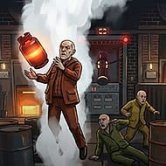
What do you do when the dangerous part of the night shift starts after you clock out? Never Made It Home puts that question to you through Shane Dela Cruz, an Overseas Filipino Worker finishing a long shift in 2005, and the answer is never as simple as keep walking. It is a short first-person psychological horror game, about 10–15 minutes from the first task to the last run, which makes it an easy pick for a single sitting after dark.
| Genre | First-person psychological horror, walking simulator |
| Protagonist | Shane Dela Cruz |
| Setting | An empty office and the streets outside, 2005 |
| Average playtime | 10–15 minutes |
| Platforms | Windows, Linux, Android |
Shane Dela Cruz and the Empty Office Shift in Never Made It Home
Shane covers for a coworker and wakes up alone in an empty office. The building is quiet, and the streets outside are darker than they should be. That setup carries more weight than it first appears, because the story is inspired by the real-life experiences of Overseas Filipino Workers, so the night shift is a working condition and not a random horror backdrop. Early in the shift nothing is wrong enough to point at, and that restraint is exactly what builds the unease.
Setting the story in 2005 helps. A computer, a phone and a voicemail give the office a slightly dated, lonely feel, and the game uses those ordinary objects to keep you off balance without any spectacle. Players who like story-rich walking simulators will notice that the background detail does more work than any line of dialogue.
Be realistic about scale. The project was made for a horror game jam under the theme Real Life Horror, and it plays like a focused snapshot instead of a full campaign. If you want a short, grounded scare that respects your time, it fits well. If you expect a sprawling story, adjust expectations before you start.
The Computer Tasks Before the Walk Home
Interact with E. On desktop you use E to interact with objects, and mobile players get an on-screen button for the same action. Most of the first stretch is Shane working through simple tasks at the computer, which sets a rhythm of routine before anything goes wrong.
Exit Computer with Tab. Tab steps Shane away from the screen, and Esc opens the pause menu and settings. The controls are simple, and players describe the movement and object interaction as comfortable, which matters in a game that depends on you staying immersed.
Move and look. WASD handles movement and the mouse handles looking, with a virtual joystick and drag-to-look on Android. The honest complaint is that some players find the computer work repetitive, since a large share of the short runtime goes there, and they wish for smaller chores or stranger events during the shift.
Looking Away on the Street: The Cat-and-Mouse Walk
Once you step outside, the walk home turns into a tense cat-and-mouse sequence where looking away can cost you everything. Someone is following Shane, and the game never lets you forget it. Instead of fighting back, you manage attention, deciding when to glance behind and when to keep moving through the dark street. Players who enjoy stealth tension over combat will feel at home here.
By the time the street opens into the final stretch, the pace shifts into a run that players often name as the moment their heart rate spiked. A scare involving Shane’s coworker earlier in the shift is another jumpscare people regularly mention. Fans of jumpscares get a few well-placed ones, while patient players get a long, uneasy walk.
The fear comes from mood more than mechanics. A quiet street, a sense of being watched and a voicemail that adds a human voice to the dread do most of the work, which is why headphones and a dark room are worth the effort.
Rough Edges and Real Life Horror in Never Made It Home
The reception is warm. The page shows a rating around 4.7 out of 5 from a small pool of 13 ratings, and comments praise the atmosphere, the pacing and the ending. Small samples can swing, so treat that as a friendly signal rather than a verdict.
Not everything is polished. A couple of players reported an invisible coworker and graphics glitching when they stood in the office doorway, and one felt the game was slightly rushed. Those are fair notes for something made on a jam schedule, and they do not erase what works.
The theme is what lingers. Many players read the story as a comment on how a late-night commute can turn a routine job into a life-or-death situation, especially for women in precarious work. That reading gives a ten-minute walk a weight that most short horror games never reach.
Never Made It Home works because it takes a plain task, finishing the shift and walking home, and lets Shane Dela Cruz’s quiet office slide into a street where looking away is the mistake. Play it once with headphones on, and the feeling of that walk will last longer than the ten minutes it takes.