











House of Empty Names
 (Пока оценок нет)
 Loading...
Similar Games






Description
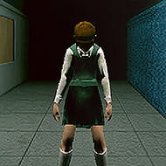
You wake on a cold floor with a missing kidney, hear a board creak somewhere above you, and go dead still, because in House of Empty Names the kidnapper hears every sound you make. The only plan that matters is getting out of the house alive.
| Genre | First-person survival horror |
| Length | About two hours |
| Inventory | Limited space and item sizes |
| Goal | Escape at any cost |
Waking Up Without a Kidney: The Premise of House of Empty Names
You wake up in an unknown house, kidnapped and missing a kidney, with one goal: escape at any cost. The opening hands you a cold floor and a missing kidney, and answers come only from moving through the house. The playthrough is short, around two hours, so every room counts.
The house is built like the classic survival horror homes that inspired it, with locked doors, cramped corridors, and rooms that reward careful reading. Where you go and how you build your path to escape are yours to choose.
Horror fans who like a compact story will find the length a perk rather than a limit. It is a game you can finish in a single evening.
A Kidnapper Who Hears Every Sound, Hunts, Lures, and Adapts
The kidnapper is a thinking, intelligent predator. He hears every sound, so noise is the currency of the whole game. He hunts you, lures you toward mistakes, and adapts to your actions, which means a hiding spot that worked once can betray you later.
Stealth is the answer, but stealth here is about choices rather than tiptoeing. Deciding where to hide, and when to move, is what keeps you breathing.
Newcomers usually run the first time they hear footsteps, which is exactly what the kidnapper wants. Waiting silently in the right room and letting him pass is the habit that changes the outcome.
Inventory Tetris: Limited Space, Item Sizes, and Combining
Inventory space is limited and every item has a size, so you cannot carry the whole house. You manage the space, combine items, and choose the right tools to carve your path, in the spirit of classic survival horror.
The tension comes from the trade. A tool that opens one door may block room for something that saves you later, so picking up an item becomes a small decision instead of a reflex.
Before grabbing anything, weigh it against what you still need to find. Four questions make the choice easier.
- Does it help open the next door or route?
- Can it be combined into something more useful?
- How much of the inventory will it take?
- Will you regret leaving it behind?
Where to Go and Where to Hide: Building a Route
You choose where to go, where to hide, and how to build your path, and every decision brings you one step closer to escape. There is no single correct order, so two players can leave the house through very different routes.
Early in the game, exploring in small loops around a hiding spot is safer than crossing the whole house in one dash. A retreat you can reach in seconds is worth more than one extra room explored.
Completionists who search every drawer will fill the inventory long before they leave the house. Learning what to skip is part of surviving.
Spending Two Hours Well in House of Empty Names
How long is it? The playthrough is about two hours, though careful searching and hiding stretch it. Players who rush usually finish quicker and miss the small tools that make the final stretch easier.
Is it a run-and-hide game or an action game? Even the community argues about it. Some players read it as a stealth chase while others expect more action, and the mix of tools means both readings hold some truth.
Does the kidnapper learn? Yes, he adapts to what you do, so repeating one hiding trick eventually gets you caught. Treat every hiding place as single-use, and remember that content warnings for frequent violence and gore mean this is not for every audience.
House of Empty Names ends the way it begins, with a cold floor, a cramped inventory, and a kidnapper who has heard every step you took. The survivors are the players who learned to be quiet.