







Hi, What’s Your Emergency
 (1 оценок, среднее: 5.00 из 5)
 Loading...
Similar Games








Description
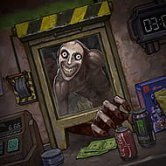
What actually happens in the seconds between a line lighting up and you deciding how to answer it? Hi, What’s Your Emergency builds its entire tension around that gap, dropping you into a dispatch chair with a headset, a queue of incoming calls, and no real explanation of what any given caller is about to ask of you.
The Silence Before Hi, What’s Your Emergency Picks Up
Each shift opens the same way: a quiet console, a blinking line, and the choice of when to pick it up. Waiting too long before answering has its own consequences, just as answering too fast without reading the situation can leave you responding to the wrong thing entirely.
New players tend to treat every call the same way, reaching for a generic response instead of listening for what is actually being described before reacting. That habit is usually what turns an easy call into a failed one.
The pacing rewards a specific kind of patience that newcomers resist at first. Rushing through calls to clear the queue faster almost always backfires later in the same shift.
Answering Wrong Is Its Own Kind of Failure
A wrong response does not always end a call immediately; sometimes it just makes the caller more agitated, and the situation keeps unraveling from there. A dropped call, left unanswered too long, tends to escalate in a different, quieter way, without any dramatic prompt telling you it went badly.
How long a single shift runs depends entirely on how quickly you work through the queue. Taking time to consider each response stretches things out compared to reacting on instinct.
The horror in Hi, What’s Your Emergency comes less from any single scripted scare and more from the accumulated dread of not knowing whether the next call is routine or something you are completely unprepared for.
What Calls in Hi, What’s Your Emergency Refuse to Explain
Every call withholds context on purpose, and figuring out what is actually happening on the other end of the line is the real skill the game is testing, not fast reflexes. Some players describe this as closer to a listening exercise than a traditional simulation.
Whether the game is genuinely scary or just quietly unsettling is something players tend to disagree on, and that split says more about how each person reacts to uncertainty than about the game itself. Some find the ambiguity relentless. Others find the lack of a clear threat makes it harder to stay tense across a full shift.
By the time you reach a later call in a shift, the accumulated weight of earlier mistakes tends to color how you read every new line that lights up. That carryover is exactly the effect the pacing seems built to produce.
Hi, What’s Your Emergency stays effective because it refuses to explain itself, leaving every headset click and every pause before you speak carrying more weight than it probably should. That discomfort, more than any single call, is what stays with players once the queue finally empties.