







Foreborn
 (1 оценок, среднее: 5.00 из 5)
 Loading...
Similar Games






Description
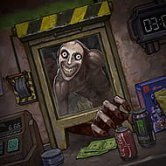
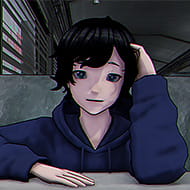
Foreborn looks like a quiet sci-fi thought experiment about choosing whether to exist, but it plays like a slow trap that only shows you the cost of that choice once it’s too late to take it back.
| Genre | Indie Horror, Narrative |
| Platform | Windows |
| Runtime | Roughly 25 minutes |
| Setting | A simulation of an unborn person’s future life |
Living a Simulated Future Before You Exist
The premise driving this game is unusually direct for the genre: in a future built around hyper-advanced technology, the unborn get to experience a full simulation of their potential life before deciding whether to actually be born into it. That simulation covers roughly the first twenty-three years of a life, and the game structures its entire runtime around walking you through that stretch, compressing decades of a hypothetical life into a runtime most players finish in one sitting.
What players get wrong early on is treating the simulation like a passive cutscene rather than a series of choices that quietly shape which ending they land on. Foreborn doesn’t flag its branching moments loudly, so a first playthrough often ends without the player realizing how much they actually influenced. Players who favor completionist runs tend to replay the simulation specifically to test how differently small early choices ripple forward, since the game rarely tells you in the moment that a decision mattered.
Once Mellow enters the story, the tone shifts from reflective to genuinely tense, and it’s this section where most of the game’s actual horror beats live rather than in the earlier, quieter simulation segments. By the time the simulation reaches its final act, the framing device itself — a life being reviewed before it’s allowed to happen — starts to feel less like a neutral premise and more like something being deliberately withheld from the player.
Mellow and the Twist Players Argue About
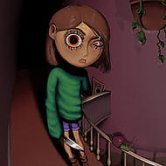
Mellow is the character most community discussion circles back to, largely because of how the “traitor” ending resolves. Some players find the reveal satisfying within the game’s short runtime, while others have openly questioned the internal logic of how Mellow’s betrayal plays out once the simulation ends and the real-world consequences are supposed to catch up with her — that’s a genuinely divisive point in player discussion, not a settled one, and it’s one of the more common threads in comment sections attached to walkthroughs of the game.
What makes Mellow work regardless of that debate is that the character isn’t set up as an obvious threat from the start, which is part of why the eventual turn lands as hard as it does for players going in blind. Players drawn to twist-heavy narrative horror specifically cite Mellow as the reason Foreborn stands out within its own anthology, since earlier entries in the series lean more on atmosphere than on a single character-driven reversal.
This is also the game’s fourth entry in its anthology, and returning players tend to notice quickly that Foreborn leans further into its narrative twist than some of the earlier entries did, trading pure scares for a slower psychological unraveling. Community shorthand for this shift has started calling it the anthology’s “quiet entry,” a term that shows up often in comment threads comparing Foreborn against its predecessors.
Frequently Asked Questions
- How long does it take to finish Foreborn? A full playthrough runs around 25 minutes, which is short even by anthology standards, but the multiple endings tied to Mellow’s storyline give it more replay value than the runtime alone suggests, since a second run can surface choices the first playthrough missed entirely.
- What determines which ending you get in Foreborn? Choices made quietly throughout the simulation sequence, including how you engage with Mellow once she’s introduced, shape which of the game’s endings you land on, without the game explicitly telling you a decision was a branch point until the consequences show up much later.
- Do you need to have played the earlier Twisted Zone games first? No — Foreborn stands on its own as the fourth entry, though players familiar with the anthology’s earlier tone will notice this one shifts more heavily toward narrative twist over jump-scare pacing, particularly once Mellow’s role in the story becomes clear.
Foreborn earns its short runtime by making every quiet simulation scene feel like it’s building toward something, and Mellow is the reason that build actually pays off by the time the credits roll on whichever ending your choices during the simulation happened to unlock.