





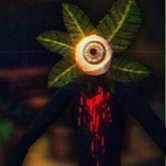





Everything is Crab
 (Пока оценок нет)
 Loading...
Similar Games







Description
Carcinisation in Everything is Crab is not the curse it appears to be. You buy it, one crab point at a time, and the bill is paid in enemy teeth. Take it too early and a healthy run folds in minutes; take it at the right moment and it feeds you faster than anything else on the menu.
| Genre | Roguelite about evolving an animal |
| Players | One |
| Difficulty ladder | 20 Selective Pressure levels |
| Progress hub | The Codex |
Hunger Comes First in Everything is Crab
Nothing in a run matters until your creature is fed, and in this game hunger is the real opponent. Meals become levels, levels unlock new body parts, and those parts decide whether a passing predator ignores you or treats you as lunch. The opening minutes are less about fighting than about surviving the act of eating, because a stationary animal chewing its dinner is exactly what the local wildlife hopes to find.
The Cheek Pouch is the tidiest answer to that problem. It holds two pieces of nearby food and keeps digesting them while you run, so a meal stops being a moment of danger. Players who grab it early tend to reach their first boss with a few more levels than they expected.
Foragers who like a calm start also value anything that stretches your reach. Picking up food from one step further away means fewer nervous trips into open ground.
Build Around One Weapon, Starting With the Trunk
It is tempting to grab every shiny mutation the offer screen dangles, but runs go better when a single attack gets all your support. The Trunk shows why. It swings slowly, scales from the lower of Physical and Ability, hits for between one and 1.4 times that value, and recharges in about a second and a half.
Because the weaker stat sets the ceiling, pouring everything into one number wastes points. Lift both, add body size for reach, trim the cooldown, and a clumsy sweep turns into a dependable way to gain levels.
Before you call a build finished, check that it covers five jobs. A gap in any one of them usually explains the next death.
- Meals you can grab on the move
- One damage tool you keep feeding
- Speed for walking away from bad trades
- Armor or healing to soak small hits
- A sensible place to meet the boss
Spending Crab Points Like Money in Everything is Crab
Every crab point you accept makes food richer and everything hostile stronger. The first one costs about ten percent extra enemy damage and buys about eight percent better food rarity. On paper that looks like a bargain, but in practice it lands on top of a boss that is already trying to kill you.
A workable rhythm is zero or one point while you are learning, two or three once your speed, damage, and defenses all check out, and four or more only when you are chasing a challenge. Ladder climbers pushing Selective Pressure eventually have to live in that upper range.
Most heartbreak here comes from a mistimed purchase, not a lack of skill. If a strong run collapses soon after you took extra crab points, the lesson is to wait until the build can survive the added heat.
Four Biomes, One Clock, and the Crab Kin
Four separate biomes, each with distinct weather, dangers, and landmarks, make up the map, and a clock that swaps day for night keeps changing what wanders around. Water drags at your speed and makes boss patterns harder to dodge, while heat and cold punish creatures with no answer to them.
Bosses do not appear in every run, and each fights differently. When the Crab Kin arrives, the Cataclysm is raining meteors, so raw damage without mobility ends quickly.
Run the same short check before every boss. It takes seconds and prevents most avoidable deaths.
- Does my weapon actually reach it?
- Can I sidestep what it throws?
- Will my health last through a mistake?
- Is the terrain working for me?
Genetics, the Codex, and a Plan for After Your First Win
Genetics reshape how a run begins. The plain starting option is best for learning, while Pacifist trades damage for a lower evolution requirement and belongs after your first real victory.
The Codex records everything you have unlocked, so open it after every clear. Poison enthusiasts chase the Stinger, which unlocks after 200-plus poison damage dealt within one run, and theorycrafters chase the higher rungs of Pressure, where random starting biomes begin around level six.
Early offers can look weak and feel unlucky, a common gripe, though mutagen from starred enemies lets you reroll or improve a choice. A few beginner puzzles come up again and again, so here are quick fixes.
- What does the Cheek Pouch actually store? Up to two pieces of nearby food, which keep digesting while you move. That turns a risky pause into something you can do on the run.
- Is taking a crab point always a mistake? No. One point is often fine on a stable run, because it trades roughly ten percent enemy damage for about eight percent better food.
- Where does the Stinger come from? It unlocks after more than 200 poison damage in one run. Pair the poison with armor or regeneration so you live long enough for it to work.
Everything is Crab pulls hardest when the Cheek Pouch is full, the Trunk is swinging, and you have to decide whether one more crab point is worth it. The Cataclysm never waits for an answer, and that pressure keeps players reopening the Codex for another try.