










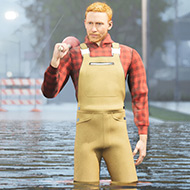
DrainSim
 (Пока оценок нет)
 Loading...
Similar Games








Description
The water in DrainSim never leaves as fast as it should, and that mismatch between what a valve promises and what happens is the first thing a new player notices. There is no dramatic opening here, just a flooded space and a slow realization that clearing it will take longer than expected.
The Blockage DrainSim Never Points You Toward
The core mechanic in DrainSim is simple on paper: locate what is obstructing the flow, clear it, and watch the level drop. In practice the blockage is rarely where you first look.
The blockage is whatever is actively slowing drainage in a given area, and it almost never sits where a first pass through the space would suggest. The water level is only the visible symptom rather than the cause, so watching it alone tells you far less than beginners assume.
Once you clear the first blockage, the game rarely tells you outright that another is forming somewhere else. You learn to notice it from sound and subtle shifts in how the water behaves.
Why Pressure Is the Real Opponent in DrainSim
Pressure behaves less like a statistic and more like a force working against you, building while you are distracted elsewhere. Players who rush the nearest visible problem without checking it first tend to make things worse, since clearing one blockage while pressure is high can just push water somewhere new.
Patient players, willing to walk a full loop before touching anything, have an easier time. Those who jump at the first obstruction usually just relocate the same problem.
Early in the game that gap separates a short clear from one that drags on.
Why Rushing the Clear Backfires
DrainSim rewards a specific kind of caution newcomers resist at first. Clearing quickly feels productive, but consequences show up minutes after a mistake, which makes cause and effect hard to connect the first time through.
The atmosphere leans into horror territory more than the mechanics do. Low light, dripping sound design, and the sense the space has shifted since you last passed through do more work than any explicit threat.
Some players find that restraint genuinely tense. Others find the pacing too slow for a maintenance task, and that split is one of the more honest criticisms the game gets.
The Quiet Stretches Before Something Shifts
Later stretches introduce longer quiet periods where nothing visibly changes. This is exactly when attentive players start noticing small details, a sound that was not there a moment ago.
New players mistake these stretches for downtime. That is right before the space changes on them.
By the time a session runs long, the balance between routine clearing work and something closer to dread becomes the point, and DrainSim leans on that tension rather than a scripted scare.
DrainSim is not built around spectacle. It offers a slow, uneasy kind of simulation work where clearing a blockage never feels final, and that lingering doubt over whether the water is really gone is what stays with players after a session ends.