








DISTURBING FEARS – Workplace
 (1 оценок, среднее: 5.00 из 5)
 Loading...
Similar Games




Description
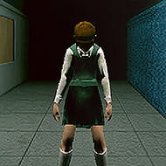
Emma stays behind at the office to make some extra money, and for the first stretch of DISTURBING FEARS – Workplace, nothing about that decision looks like a mistake. The building empties out room by room until the quiet itself starts to feel like the wrong kind of quiet.
| Genre | Episodic psychological horror |
| Perspective | First-person walking simulator |
| Mode | Single-player |
| Setting | An office building on a late-night shift |
Emma’s Night Shift Turns Into Something Else
The premise is deliberately ordinary: an office worker named Emma agrees to work late, expecting a routine overtime shift rather than anything resembling danger. That ordinariness is the design choice. DISTURBING FEARS – Workplace spends its early minutes on mundane office chores specifically so the moment things shift feels earned rather than sudden.
Players used to the genre’s familiar setup — someone alone, something trying to get in — will recognize the shape of it early on. Where the game tries to separate itself is in how that familiar shape resolves, which several players single out as noticeably different from the usual formula.
Voice Activity and Movement Tracking in Disturbing Fears – Workplace
Optional interaction systems: the game includes a microphone-based Player Voice Activity system and a webcam-based Real-Life Movement Tracking system, letting your actual voice and physical movement factor into how Emma’s shift plays out. Neither is required to play, but both are recommended for the intended experience, and community discussion around the game tends to treat them as the feature people bring up first when describing it to friends.
NPCs also text Emma directly during the shift, adding a layer of interaction that keeps the story moving without relying entirely on environmental exploration to carry the pacing.
What the Checkpoint System Changes
An update added a proper checkpoint, meaning a bad encounter sends you back to a recent point in the shift instead of restarting the whole game from the office’s front door. That change matters more than it sounds, since the earlier lack of checkpoints was a real source of frustration for players caught off guard by the game’s more disturbing scenes.
NPC Texts and the Slow Build of Dread
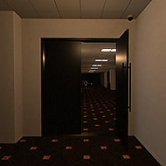
The photorealistic environments and VHS-style visual treatment do a lot of the atmospheric work here, leaning on true-to-life visuals rather than exaggerated horror imagery. Combined with incoming texts from coworkers who aren’t physically present, the office starts to feel less empty and more watched, even during stretches where nothing overtly threatening is happening on screen.
Where Disturbing Fears – Workplace Breaks From the Formula
One of the more consistent points in player feedback is that Emma doesn’t behave like the typical horror-game protagonist who investigates every strange noise out of curiosity. That choice changes how tension escalates, since her caution feels more human than the genre’s usual instinct to walk toward danger.
Why the Ending Surprises Genre Regulars
Several players specifically call out the ending as more creative than expected for a workplace horror episode, playing out differently from the straightforward escape-or-die structure the setup seems to promise. Is DISTURBING FEARS – Workplace based on a true story? The game markets itself as inspired by real events, in the same spirit as other low-key vignette horror games built around ordinary settings turning dangerous. Do you need a microphone or webcam to play? No — both the voice and movement systems are optional add-ons rather than requirements, so the core walking-simulator experience works without either one. How long does a full shift take? It’s built as a short, single-sitting episode rather than a sprawling campaign, fitting the anthology’s format of one contained story per installment.
Emma’s late shift ends up being the kind of night that makes overtime pay feel like it was never worth it, and DISTURBING FEARS – Workplace earns its tension by trusting an empty office, some incoming texts, and a checkpoint system to do the work most horror games hand off to something far louder.