








Dressmaker
 (1 оценок, среднее: 5.00 из 5)
 Loading...
Similar Games





Description
Fabric grain in Dressmaker is not a background detail, and it changes what the finished dress looks like. Whether a pattern piece is aligned to the grain or cut on the bias, the way you arrange and cut the cloth is exactly what ends up on the garment. That single rule sets the tone for a cozy crafting game where every part of making a dress is under your control.
| Genre | Cozy crafting simulation |
| Platform | PC (Windows and Mac) |
| Players | Single-player |
| Core loop | Choose fabric, cut patterns, sew, decorate, deliver |
Grain, Bias and the Cutting Table in Dressmaker
The whole game is inspired by real dressmaking, and it shows in how literally the steps are handled. You choose fabric, arrange and cut out patterns, sew the pieces together, then add decorations before handing the dress to a customer. Each step leaves a visible mark on the final result, which is why skipping ahead is never a good idea.
Grain is the first place that shows up. Aligning a pattern to the grain gives one look and cutting it on the bias gives another, so the choice becomes a design decision as well as a technical one. Players who have sewn in real life will feel at home immediately, and players who have never picked up a needle learn the vocabulary as they go.
Cutting on the bias comes down to how you arrange the piece on the cloth before you cut. Check the result on the mannequin before committing.
Sketchbook Planning Before the First Cut
The sketchbook is where every dress starts. You design and colour the garment there, adding fabric samples and appliqué, so you know what you are aiming for before scissors touch cloth. It works like a mood board and saves you from making costly choices on the fly.
Beginners tend to skip the sketchbook and cut straight into the fabric, and they usually notice the mismatch at the sewing stage. Planning the panels first keeps colors, textures and trims consistent from one piece to the next.
Players who enjoy design and illustration will spend a long time on this page, and that is fine, since the game never pushes you to hurry. The drawing itself becomes part of the pleasure.
Cotton, Linen, Wool, Silk and Velvet: Choosing the Cloth
Fabric shopping is a real decision because every panel of a garment can use a different cloth. The range includes cotton, linen, wool, silk and velvet, five families that each suggest a different mood and a different kind of customer. Picking a heavy wool for a cold-weather event and a soft silk for a party is the kind of reasoning the game invites.
Take control of the panels and the results get interesting. A bodice in one fabric and a skirt in another can turn a simple pattern into something a customer remembers.
Money matters here too. Fabric is bought with coin, so an expensive velvet on the wrong dress is a cost you feel later. Early in the game, sticking to modest cloth while coin is tight is the safer plan, and richer fabrics can wait for the orders that truly call for them.
Arranging Pattern Pieces and Cutting Them Out
Cutting is where planning turns physical. You arrange the pattern pieces on the fabric and cut them out, and the layout you choose decides what shows up on the finished panels, including which part of a print lands on the front. Patterned cloth makes this step matter even more than plain colors do.
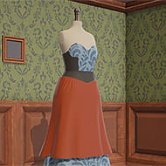
The mannequin preview lets you check the pieces before sewing anything. It is the closest thing the game has to a safety net, and it is worth using every time a dress has a complicated shape.
Some players find the cutting stage slower than expected, and that pace divides opinion. Fans of tactile crafting love the deliberate feel, while players who want quick turnaround can find the ritual of arranging and cutting a little long for simple orders.
Feeding Fabric Through the Sewing Machine
The sewing machine is the centerpiece of the workshop. You feed the fabric through to stitch the pieces together, and the machine comes with an infinite bobbin, so you never stop mid-seam to reload thread. That small mercy keeps the rhythm of the game moving.
Steady hands matter. A crooked seam shows on the finished dress, and sewing tends to reveal any earlier mistake in cutting or layout, which is why the mannequin preview earns its place.
The achievement list has fun with all of this. Its 32 entries include Harder than it Seams, Snitches Get Stitches and Prudence and Prejudice, which hints at the humor and the historical flavor running through the game.
Buttons, Bows, Appliqué and Lace Trims
Buttons are the most practical decoration, since they can finish a garment and add character at the same time. A row of them down a bodice is a quick way to change the personality of a plain dress.
Bows and appliqué add personality. The same appliqué you sketched into the sketchbook can be stitched onto the actual dress, which makes the plan and the result feel connected.
Lace trims and accessories can go wherever you like, so placement is entirely your call. Two dresses cut from the same pattern can look nothing alike once the trims are done.
Townsfolk, Special Occasions and Reputation
Dresses are made for people. The town is full of residents who want wardrobes of custom pieces suited to important events and their own tastes, and each order asks you to read both. Once townsfolk start asking for dresses tied to specific occasions, the game shifts from experimenting to solving small design briefs.
Turning in a dress earns both reputation and coin, and the two are the game’s main measure of progress. Satisfied townsfolk are how you earn them, so reading a request carefully before cutting anything is the fastest way to improve.
Story-minded players will enjoy the small cast of residents, while players who like to optimize can treat each order as a puzzle with a best answer.
Selling From the Rack and Sabotaging Customers in Dressmaker
Custom orders are only one way to make coin. You can also display your own designs in the shop window and sell pre-made dresses off the rack, which means a dress you loved making does not have to be a one-off.
The game also leaves room for mischief. The store description openly frames dressmaking as a way to satisfy or sabotage the townsfolk, so a dress does not always have to be the perfect answer to a request. Players who like sly humor will find plenty to play with there.
And yes, there is a kitty you can pet. It sounds like a joke, and it is listed among the game’s features, which says a lot about the tone.
Dressmaker rewards the kind of player who reads a customer’s request, picks a wool or a silk on purpose, and checks the mannequin before the first cut. Grain, bias, an infinite bobbin and a shop-window rack all make each dress feel earned, and even the kitty by the counter fits the mood. If a sewing machine and a stack of velvet sound like a good evening, the workshop is ready.