









Where the Redwood Ends
 (1 оценок, среднее: 5.00 из 5)
 Loading...
Similar Games





Description
What convinces six friends that spending the night in an abandoned mansion deep in a forest is a good idea? Nothing sensible, and Where the Redwood Ends does not pretend otherwise. The premise is a weekend getaway gone wrong from the first hour, and the game spends the rest of its runtime making sure you feel every bit of that decision unraveling.
| Genre | Horror Adventure Murder Mystery |
| Perspective | First-person |
| Core Mechanic | Exploration, conversation, and deduction |
| Structure | Story-driven chapters |
Waking Up in the Redwood Forest Mansion
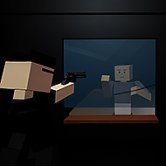
The setup arrives fast. A group of six friends looking for a quiet weekend away find themselves stranded in a decaying mansion buried in the Redwood Forest, and before anyone has time to get comfortable, one of them turns up dead. From that point on, the game hands you two overlapping jobs: keep exploring the mansion for physical clues, and keep talking to the remaining friends to figure out who among them is lying.
The first-person walking simulator foundation keeps things grounded. You are not fighting anything directly, and combat never enters the picture. Instead the tension comes from where you choose to look, who you choose to press for answers, and how much you trust what any of the surviving friends tell you about where they were when the murder happened.
Because the group only has each other for company, every conversation in the game doubles as an interrogation whether either side admits it or not. Small inconsistencies in what someone says on your second visit compared to your first are often the only warning sign you get before the story pulls the rug out from under you.
Reading the Group Instead of the Evidence
Physical clues matter in Where the Redwood Ends, but they are only half the puzzle. The other half is behavioral: who flinches when a certain room comes up, who changes the subject a little too quickly, who volunteers an alibi nobody asked for. Beginners tend to focus entirely on searching rooms for objects and undervalue the conversation system, which is a mistake, since some of the most important information in the game only surfaces through dialogue choices rather than physical exploration.
Difficulty here is less about mechanical challenge and more about attention. Early chapters give you plenty of time to explore each room at your own pace, but once the group’s paranoia ramps up, the game starts compressing your window to investigate before the next twist forces the story forward, and players who lingered too long in the opening area often find themselves scrambling to catch up on details they skipped.
The Quick-Time Moments That Define Where the Redwood Ends
Scattered through the otherwise slow, exploratory pacing are sudden jump scares and short quick-time sequences that snap the tension tight without warning. These moments are brief but unforgiving, and the contrast between the game’s quiet hallway-walking rhythm and these sharp bursts of panic is one of the most talked-about design choices among players who have finished it.
Cutscene pacing deserves a specific mention, since a lot of the game’s biggest reveals happen through fully voice-acted cutscenes with lip-synced characters rather than through gameplay itself. This puts a heavier narrative weight on watching and listening carefully during these sequences, because missing a detail in a cutscene can leave you guessing at motives the game expected you to have already picked up on.
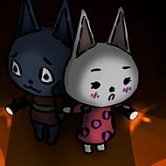
Community discussion around Where the Redwood Ends tends to split over the tonal mix baked into the writing. The game pairs genuinely unsettling murder mystery beats with cartoonish hand-drawn art and dark adult humor, and while a lot of players find that combination refreshing, others feel the humor occasionally undercuts moments that were clearly meant to land as serious. It is one of the more debated aspects of the game once people start comparing notes.
- Can you actually get the murder wrong in Where the Redwood Ends? Yes. The game is built around deduction, and pointing suspicion at the wrong member of the group is a real possible outcome rather than a soft fail state the story quietly corrects for you.
- Does exploring extra rooms change the ending? Additional exploration tends to surface more of the rich character detail the game leans on, and missing optional areas can leave gaps in your understanding of motive even if the core mystery still resolves.
- Are the jump scares tied to specific triggers or random? They are tied to specific story beats and locations rather than random placement, so replaying earlier chapters tends to produce the same scares in the same spots.
By the time the truth behind the Redwood Forest mansion finally comes together, Where the Redwood Ends has spent hours making you doubt every one of the six friends at least once, and that lingering suspicion is exactly what the game is built to leave you with.