









Dirt Clicker
 (Пока оценок нет)
 Loading...
Similar Games




Description
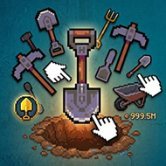
You tap a small patch of soil with a wooden spoon, a crumb of dirt flies off, and the counter creeps up by one. That is the whole opening of Dirt Clicker, and it feels almost comically modest. A few minutes later the spoon has company, the dirt counter is climbing on its own, and the ground has started coughing up things worth far more than soil. The whole game is built around one question: what sits at the very bottom once you have dug through every layer?
| Genre | Incremental clicker, idle digging |
| Platform | Windows |
| Starting tool | Spoon |
| Workers | Mushroom Buddies, Dirt Golems, Druids and more (5+ types) |
| Collectibles | 40+ valuable items, puzzle pieces, badges, relics |
| Progression | Underground layers instead of levels |
From a Single Spoon to a Digging Crew in Dirt Clicker
The early loop is simple enough to explain in a sentence: click dirt, sell whatever treasure pops out, and spend the money on a better tool or your first helper. The spoon is weak by design, and the first stretch is pure manual clicking so you feel every upgrade when it lands. Each purchase shaves a little time off clearing the current layer, which is exactly the “numbers go up” itch the genre runs on. Nothing is locked behind a tutorial wall, so the shop and the skill tree open up at a pace that follows your wallet rather than a script.
Then the Mushroom Buddies show up and the rhythm changes.
Once the first helpers are digging on their own, your clicks stop being the main engine and start being a bonus on top of passive income. Dirt Golems hit harder, Druids push the operation further, and by the time a handful of workers are active you are managing a small underground company instead of poking at soil. The stats screen even tracks which helpers are pulling their weight, so you can see who is slacking and where your coins are actually going. Active players who enjoy hammering the mouse will still find value in a strong tool, but the long game clearly leans toward automation.
Layers, Loot and the Urge to Clear Everything
Dirt Clicker swaps traditional levels for underground layers, and each one carries its own dirt, its own loot table and its own secrets. Across the whole excavation there are more than 40 valuable items to dig up, plus rare puzzle pieces, badges and mysterious relics that do more than sit in a collection screen. When you hit the depth needed to move on, the game asks you to choose between pushing deeper right away or staying behind to finish the layer.
That choice sounds minor, but it shapes an entire run. Descending quickly means tougher dirt and better loot sooner, while lingering lets you fill gaps in your collection and bank cash for the next round of upgrades. Completionists tend to scrape every layer clean before moving, and the relic hunt rewards that patience more than raw speed ever does.
There is a small moment most players remember: the first time a relic surfaces among the ordinary treasures and clearly does not behave like sell fodder. It sits there looking important, and you realize the dirt has been hiding a second, quieter game about secrets the whole time.
Where New Diggers Lose Momentum
Most early stalls come from spreading money badly rather than from any real difficulty spike. The upgrade categories pull against each other, and leaning too hard into one leaves the rest of the operation limping. Here are the mistakes that come up again and again in community threads:
- Pouring every coin into the tool, which makes clicking strong but leaves passive production weak once you step away.
- Hiring a big crowd of workers without upgrading them, so each Mushroom Buddy or Dirt Golem stays underpowered.
- Ignoring loot chance upgrades in the skill tree, which starves you of the valuable finds that fund everything else.
- Casting spells the moment they are ready instead of saving them for a tough layer.
The fix is balance. Tool power, worker count, worker strength and loot luck all feed into each other, and the smoothest runs rotate between them instead of maxing one bar first.
Patience matters too. Idle players who leave the crew running while they do something else often out-progress frantic clickers, simply because their helpers never stop digging and their coins keep piling up for the next smart purchase.
Chests, Key Relics and the Color Code in Dirt Clicker
This is the part of the game players argue about most. Chests you dig up will not open with a simple click; each type expects a specific color sequence entered on the chest itself. The clue comes from key relics: stare at one for a few seconds and it reveals a color combination tied to a particular chest type. Other relic puzzles hide red letters that appear slowly and have to be noted in position until they spell out a word.
Plenty of players loved the extra layer of mystery. Others found it far too cryptic, and forum threads filled up with people who reached the end of the demo with three chests still locked and three relic puzzles unsolved. The developers answered with a hint button and an optional shape overlay for colorblind players, which helped, though some still feel the puzzles ask a lot from a relaxing clicker.
Puzzle solvers will probably find this the most memorable part of Dirt Clicker. Anyone who just wants to watch dirt counters grow can skip the locked chests for a while and come back once the hint button feels less like cheating.
Spells, the Skill Tree and Idle Pacing
The skill tree splits into a few clear directions: stronger tools, better loot odds and tougher workers. Every node nudges one of those levers, and choosing which to prioritize is where the real strategy lives. Spells sit on top of all this, and the store description openly admits some of them can break the game, which is exactly why veterans treat them as burst tools for a stubborn layer rather than something to fire on cooldown.
Timing a spell right as a fresh layer begins can clear a surprising chunk of dirt in one go.
A dice minigame adds a small gamble-free distraction between digs, and a prestige system is the next big focus for the full release, which matters for badge hunters. One badge asks for 10,000 dirt dug with spoons alone, and since Mushroom Buddies arrive fast, many players only manage it on a later run with a deliberate plan to delay hiring.
Questions Diggers Ask Most
How do you open chests in Dirt Clicker?
Each chest type needs a specific color sequence entered directly on the chest. You learn the right order by finding key relics and looking at them for a few seconds until the color combination appears. If you are stuck, the hint button and the colorblind shape option in settings make the codes much easier to read.
Should you stay on a layer or keep digging down?
If you still have gaps in your item collection or missing puzzle pieces, staying pays off because deeper dirt is harder and the earlier loot will not come back to you easily. Going down fast is better when your workers and tool can handle tougher layers and you want better treasure sooner. Many players clear a layer fully only when a relic or chest is still hiding there.
How do you get the 10,000 dirt with spoons badge?
The badge counts dirt dug with spoons, so you need to hold off on hiring Mushroom Buddies and other workers long enough to reach that total by hand. Because helpers unlock quickly, most people miss it on the first run. Planning a spoon-only stretch at the start, or waiting for a prestige reset, is the usual route.
Dirt Clicker rewards the digger who treats every layer as more than a number to break through. Balance your spoon upgrades against the crew, keep a spell in reserve for the tougher dirt, and pay attention when a key relic starts glowing with colors, because the locked chests and the secret at the bottom are what turn this steady clicker into something worth finishing.