








The Plant Shop
 (1 оценок, среднее: 5.00 из 5)
 Loading...
Similar Games




Description
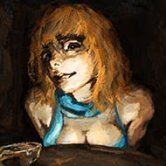
In The Plant Shop, you start with a late-night shift, a locked front door, and a handwritten order ticket, which matters more than it first seems. Silvia has taken this job to fund her dream of running her own plant business during daylight hours, and the first customer of the night is already knocking before you’ve finished setting up the counter.
| Genre | Cozy horror simulation |
| Perspective | First-person |
| Modes | Story, Relaxed, and Endless |
| Setting | A small plant shop on the night shift |
Silvia’s Late-Night Shift at the Plant Shop
Silvia is twenty-six, holds down a corporate day job, and runs the shop after hours to chase something that actually feels like hers. That detail shapes the tone of the whole game: the horror sits underneath a story about wanting a different life, not on top of it. She isn’t a detective, a survivor, or a chosen protagonist in the usual horror sense — she’s someone working a second shift because the first one doesn’t feel like enough.
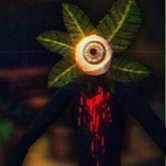
Customers who show up after dark talk casually about a curse that struck the town three decades ago, and Silvia starts noticing things she can’t quite explain not long after she opens for business. A flickering light, a customer who mentions a detail nobody could know, a plant that seems to react before she’s watered it — none of it is dramatic on its own, but it accumulates. Whether the curse is real or just local legend is left open for most of the runtime, and the game trusts players to sit with that uncertainty instead of resolving it early.
Players who came in expecting a jump-scare gauntlet often walk away surprised at how much of The Plant Shop is just running a shop, which is exactly the contrast the game is going for. Others, more drawn to slow-burn narrative games, treat the unease as the entire point rather than a delivery mechanism for scares.
Crafting Orders Under CRT Light
The crafting loop: every order breaks down into the same four ingredients — a pot, soil, a seed, and water — combined in sequence to produce the flower, plant, or cactus a customer asked for. It’s a deliberately simple system dressed up by a VHS filter and CRT-style visual noise that makes even a routine order feel slightly off, like you’re watching yourself work through an old, damaged tape rather than living the shift in real time.
New players often rush the sequence out of habit, grabbing ingredients in the wrong order or skipping the watering step, which wastes materials and slows down a shift that’s already working against a clock in some modes. By the time a second or third customer is waiting, that early sloppiness compounds into a backlog that’s hard to recover from without restarting the order queue.
Once the pattern clicks, though, the loop becomes almost meditative — pot, soil, seed, water, hand it over, greet the next face at the counter. That rhythm is part of what earns the game its cozy label even while something stranger builds underneath it.
What the Curse Means for The Plant Shop’s Town
The curse isn’t explained upfront; it surfaces through customer dialogue, background details in the shop, and small audio cues that reward players paying attention rather than rushing every transaction. Fans chasing the story piece it together the way you’d expect from a narrative walking simulator, one late-night conversation at a time, connecting a regular’s offhand comment to something glimpsed in the shop’s back room a few nights earlier.
Early in the game the references are vague enough to dismiss as small-town gossip. By the time recurring customers start repeating themselves or asking questions that feel rehearsed, it’s harder to write off as flavor text, and that shift is deliberate pacing rather than a loose thread.
Relaxed Mode, Endless Mode, and the Pressure Between Them
Story Mode follows Silvia’s arc directly, Relaxed Mode strips out the time pressure entirely for players who just want to craft and serve at their own pace, and Endless Mode adds a countdown and a leaderboard for anyone chasing a competitive run. Speedrunning-minded players gravitate toward Endless specifically because the leaderboard gives the otherwise gentle crafting loop a real stakes-driven reason to optimize order handling.
Switching between modes changes how the atmosphere lands, too. The same flickering light that feels unsettling in Story Mode barely registers in Relaxed Mode, where there’s no clock pushing you to notice it before the next customer arrives.
Why The Plant Shop’s Horror Stays Quiet
Some players say the scares stay more atmospheric than frightening, and that’s a fair read; The Plant Shop leans on unease built from the VHS aesthetic and odd customer behavior rather than loud jump scares, which won’t land for everyone expecting a harder horror tag. It’s one of the more debated aspects of the game among players who came in through the horror tag rather than the cozy one.
How do you craft plants correctly without wasting stock? Slow down on the pot-soil-seed-water sequence instead of rushing it, since mistakes here cost more time than a careful order does, especially once Endless Mode’s clock is running. Is The Plant Shop actually scary? It’s closer to unsettling than terrifying, built around dread rather than shock, with most of its tension coming from what customers say rather than what jumps out at you. What is the curse really about? The game keeps that answer tied to the ending you reach, letting customer stories and Silvia’s own discoveries fill in the picture gradually rather than all at once.
The Plant Shop works because it never lets you forget Silvia chose this shift for herself, curse or no curse, and that small, stubborn hope is what makes the quiet dread under the CRT glow actually land.