




The Stalked 3
 (1 оценок, среднее: 5.00 из 5)
 Loading...
Embed this game
Similar Games





Description
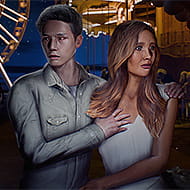
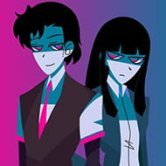
The Stalked 3 looks, from its trailer, like a quiet walk through an abandoned amusement park, but it plays like a game that never lets you fully exhale. Olivia sneaks into Creepwood Wonderland Carnival with her boyfriend Jack for what’s supposed to be a private night alone in the park, and within minutes the emptiness stops feeling peaceful and starts feeling deliberate.
Olivia and Jack at Creepwood Wonderland Carnival
You spend the opening stretch of the game as Olivia, a college student whose relationship with Jack is established quickly through the same call-and-text system used throughout. It’s a small mechanic, but it does a lot of work establishing who these two are to each other before anything goes wrong.
Jack’s role shifts as the night goes on, and without spoiling specifics, players consistently bring up how the writing uses him to complicate what should be a straightforward stalker premise. That twist is one of the most discussed elements in community reviews, and it’s part of why people compare this entry favorably to the earlier games in the series.
Creepwood Wonderland Carnival itself is the game’s main stage, but you don’t stay there the entire time. Earlier sections move through a cramped apartment and a convenience store before the carnival setting properly opens up, and each location resets the tension differently rather than just reusing the same dread.
The Feeling of Being Watched in The Stalked 3
Distant footsteps and faint whispers do most of the early heavy lifting here rather than outright scares. The game leans on the sense that someone else is present long before it ever shows you who, and that patience is exactly what separates it from games that front-load their scares.
One specific moment players bring up often is realizing, mid-exploration, that a sound you assumed was ambient carnival noise was actually footsteps keeping pace with you from somewhere just out of view. It’s the kind of detail you only notice from actually playing rather than watching a trailer.
Community shorthand for this style has settled around calling it a “presence game,” meaning the horror comes from implied proximity rather than direct confrontation, at least until the later stretch of the story.
Puzzles, Codes, and What Beginners Get Wrong
Notes and codes are scattered through each environment, and they’re how you unlock progress rather than through combat or chase sequences. Menu-first interaction is the mechanic beginners trip over most, since some notes only open properly if you’ve already accessed your menu beforehand, which isn’t always obvious the first time it happens. NPC conversations handled through calls and texts also gate certain information, so skipping them to rush toward the carnival tends to leave players missing context they need later.
New players consistently underestimate how much of the game is about exploration pacing rather than reaction speed. Rushing through the apartment and convenience store sections to reach the carnival faster usually just means missing setup that makes the later stretch land properly.
By the time you reach the warehouse near the end of the game, the difficulty shifts from environmental tension to a stricter sequence where hiding from the masked man becomes mandatory rather than optional, and that transition catches a lot of first-time players off guard.
The Masked Man and the Late-Game Shift
The masked man is the figure Olivia spends most of the game only sensing rather than seeing directly, and his eventual appearance is treated as the turning point the entire pacing has been building toward. Compared to the wandering dread of the carnival sections, his presence late in the game is far more direct and far less ambiguous.
Players who’ve finished the full game consistently describe the warehouse sequence as the tensest stretch, partly because it strips away the slower investigative pacing from earlier and replaces it with immediate stakes.
It’s worth being honest that this shift divides opinion somewhat. Some players find the sudden change in pacing during the warehouse section jarring after an hour built around subtler dread, while others see it as the natural payoff the whole game was working toward.
How The Stalked 3 Compares to Earlier Entries
Longtime followers of the series tend to bring up how this entry handles its central relationship differently than the first two games did. Where the earlier stories centered more directly on an ex-partner’s obsession, The Stalked 3 spends more time building Olivia and Jack’s dynamic before complicating it, which changes how the back half of the story reads.
The convenience store and apartment sections also feel like a deliberate callback to environments the series has used before, giving returning players a sense of familiar grounding before the carnival setting takes over completely.
Series regulars generally agree the voice acting stands out in this entry specifically, with Jack’s performance drawing particular praise for making his half of the story land the way the writing intends.
What is the masked man actually after, and why does Jack’s role shift so much by the final stretch? Neither question gets a tidy answer inside the first playthrough, and that’s largely the point. Between the call-and-text system, the slow reveal at Creepwood Wonderland Carnival, and the mandatory hiding sequence in the warehouse, The Stalked 3 asks players to sit with uncertainty longer than most games in its genre are willing to, and that patience is exactly what its strongest supporters point to when they defend it.