






Simon’s Shift
 (Пока оценок нет)
 Loading...
Similar Games




Description
What happens when the last customer leaves and the doors are supposed to be locked, but they aren’t? That’s the moment Simon’s Shift actually starts testing you, long after the register has been closed out and the lights should have been the last thing to worry about.
Closing Duties That Don’t Stay Routine in Simon’s Shift
Simon’s Shift opens like a checklist: lock up, count the drawer, sweep the floor, kill the lights room by room. For the first stretch of a run, that’s genuinely all it is, and the pacing rewards players who treat the closing routine like an actual job rather than rushing toward whatever twist they assume is coming.
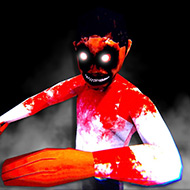
The shift stops being routine once one closed door turns out to be open again, or a light you already killed is back on when you walk past it a second time. Nothing announces the change directly — the game leans on the player noticing the mismatch between what they did and what the space now looks like.
Players who’ve spent time with this kind of workplace-horror format tend to describe the early minutes as intentionally boring, and that’s treated as a feature rather than a flaw here — the checklist has to feel mundane first for the small deviations to actually register as wrong.
Reading the Building Instead of Reacting to It
Environmental tells carry more weight in Simon’s Shift than any jump-scare timing does. A door that resists slightly more than it should, a hallway that reads one shade darker than the rest of the store, or a sound that plays once and never repeats are the actual signals worth tracking, and the game rarely repeats a tell in exactly the same way twice.
One thing players commonly bring up about this style of shift-based horror is how uneven the pacing can feel on a first run — long stretches of nothing followed by a single unmistakable wrongness can read as slow rather than tense if you’re expecting constant pressure instead of occasional, deliberate disruption.
By the second lap around the same store, the building itself becomes the actual opponent rather than any single moment inside it. Players start cross-referencing what they remember from the first pass against what they’re seeing now, and that comparison is where most of the game’s genuine unease comes from — not a scripted scare, but the slow realization that memory and observation don’t agree anymore.
Finishing the Checklist in Simon’s Shift
The closing checklist never actually goes away, even once the building has clearly stopped behaving normally. Doors still need locking, drawers still need counting, and the game never gives an explicit signal that it’s safe to stop following procedure. That refusal to hand the player a clear “now the horror part begins” moment is deliberate, and it’s part of why some players describe the format as more unsettling in hindsight than it felt while actually playing.
Finishing the shift means completing the same closing tasks from the opening minutes, just with the added weight of not fully trusting the space anymore. Whether every task still needs doing in the same order it started in is left for the player to decide for themselves.
By the time Simon’s Shift lets you actually leave the building, the closing checklist that opened the game reads completely differently — every door you locked without thinking twice now feels like it was worth double-checking.