










Summertime Saga 2
 (Пока оценок нет)
 Loading...
Similar Games




Description
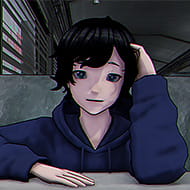
Summertime Saga looks, on name alone, like it should be something else entirely, but what actually loads is a straightforward dress-up and character customization tool built for quick outfit changes rather than anything with a plot. The game hands you a base character and a row of category tabs, and everything from there is about mixing pieces until an outfit looks right, not about following any kind of story.
Layering Outfits Instead of Just Swapping Them in Summertime Saga
The category tabs split into the usual groups — hair, tops, bottoms, shoes, accessories — and the appeal isn’t picking one item per slot so much as layering pieces that weren’t obviously designed to go together. Players who only ever click through presets miss most of what makes the customization tool worth spending time in, since combining an unexpected top with a mismatched accessory is where most of the interesting looks come from.
New players tend to ask how these customization formats save a finished look, and the answer here is the same as most similar tools: whatever combination is active when you stop adjusting is the one that carries forward until it’s changed again, so there’s rarely a hidden save step being missed.
Players who enjoy building a specific aesthetic tend to spend far longer per session than players just cycling through options quickly, and most people settle into one habit or the other within the first minute of tapping through tabs.
Color Wheels in Summertime Saga That Touch More Than the Shirt
Once a base outfit is chosen, the color options in Summertime Saga rarely apply to a single item in isolation. Adjusting a color slider on a top can shift a paired accessory too, which catches players off guard the first time it happens, since most players expect each piece to hold its own separate palette.
This is also where a common question comes up — why does changing one color seem to affect something unrelated — and the honest answer is that several customization pieces are grouped by palette rather than treated as fully independent, a shortcut common to templates built this way rather than anything unique to this one game.
Players who want a fast, randomized look can usually get one by cycling categories quickly without much precision, while players chasing a specific color match need to slow down and adjust one slider at a time.
Summertime Saga stays entirely focused on that loop of picking, layering, and recoloring pieces until an outfit clicks, and once a player stops expecting anything beyond that, the small satisfaction of landing on the right shoe-and-accessory combination is easy to see the appeal of.