








Camp Buddy
 (1 оценок, среднее: 5.00 из 5)
 Loading...
Similar Games






Description
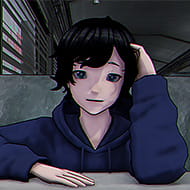
You walk into a quiet hallway between classes, backpack over one shoulder, and the school day in Camp Buddy is already moving around you before you decide what to do next. There is no objective flashing on screen — just a schedule, a handful of people to talk to, and small choices about where you spend your time. That low-key rhythm is the whole appeal, and it is also the first thing that trips new players up.
Camp Buddy plays like a simulation dressed in the shape of an adventure. The classroom periods, the short breaks, and the conversations you can start or skip are the actual mechanics, not window dressing. Nothing forces you to rush — the day runs at its own pace whether you talk to someone or walk past them.
Camp Buddy’s School Day as the Only Clock That Matters
Most players expect a save point or a menu to tell them how they are doing. Camp Buddy does not work that way. Progress is measured in how the day unfolds — morning classes, a midday break, open blocks in the afternoon — and choices made in one block carry into the next. Beginners often treat early conversations as small talk, then realize those exchanges were the only chance to build anything with a particular person.
This is where the simulation side shows its teeth. There is no combat and no fail state in the traditional sense, but there is a soft consequence: skip enough opportunities and the day moves past without waiting. Players expecting clear stakes sometimes find this pacing frustrating, and that criticism is fair — the lack of urgency can read as a lack of content.
What keeps people coming back is the routine itself. Returning to the same hallway and noticing what is different about a conversation the second time is the closest thing to a reward loop the game offers.
Reading People Instead of Reading Objectives in Camp Buddy
Dialogue choices rarely announce their weight. A friendly question and a dismissive one can look nearly identical in the choice menu, and only the response afterward makes clear which one landed better. Players who treat every choice like a quiz usually get less out of Camp Buddy than those who slow down and read the tone of a scene first.
Curious players tend to work through every optional exchange in one sitting. More cautious players hold back, sticking to one or two relationships and building them slowly. Neither approach is punished directly, since the game responds differently depending on which one is chosen.
Open blocks are the closest thing to a hub the game offers, short stretches where the player chooses where to go rather than being led there. How those blocks get used says more about a run of Camp Buddy than any single conversation does.
None of this amounts to a long checklist of mechanics, and that is fine — a school life simulation does not need combat to hold attention. What Camp Buddy needs is a reason to walk back down that same hallway tomorrow, and it leans on that small, repeatable curiosity about open blocks rather than on spectacle.