









Batomon Showdown
 (Пока оценок нет)
 Loading...
Similar Games




Description
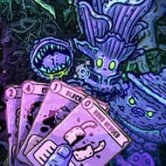
In Batomon Showdown you start every run with an empty roster, a trainer pick, and no idea what your opponent’s board looks like, which matters more than it sounds like it should. Since battles are asynchronous, the team you’re fighting is a saved snapshot from another player’s run rather than someone issuing live commands, so preparation before you commit to Battle is the only skill that actually applies.
| Genre | Creature-collecting asynchronous PvP auto battler |
| Developer / Publisher | berrymint |
| Roster | 149+ Batomon across regions including Jinto |
| Goal | Reach 10 badges in a ranked run |
The shop phase is where every decision actually happens, and beginners consistently make the same mistake: grabbing the single most impressive Batomon in the shop instead of looking for pieces that share a plan. A team built around Aegistruct and Craghorn, for example, functions as a Draconarch-core comp precisely because those pieces reinforce each other, not because either one is individually the strongest option available that turn.
Trainers and How They Reshape a Run
Trainers like the Painter, the Burglar, and the Black Belt each bring a game-changing ability to the board, and choosing one early can lock you into a strategy for the rest of the run. A Scavenger-focused trainer pick rewards players who lean into item accumulation, while a Gentleman trainer favors steadier, more defensive team compositions — the trainer choice functions almost like a difficulty modifier layered on top of your Batomon picks.
Positioning adds another layer once you’re past the basics. A prepared team can field up to six Batomon sharing one collective battle HP pool, so an individual Batomon can go down while the fight continues around it. Abilities can trigger at the start of battle, on cast, while ongoing, on knockout, or after a win, and several of them target a specific slot, a direction, or the Batomon standing adjacent, which means the order you place your team in the lineup is a decision, not an afterthought.
- Early-game shop discipline: resist grabbing flashy single Batomon and look for pairs that share a payoff.
- Mid-run trainer synergy: match your trainer’s passive to the direction your board is already leaning, rather than picking based on flavor.
- Late-run positioning: place Batomon with on-knockout or adjacent-target effects where they’ll trigger reliably, not just where they fit.
By the time the Jinto region’s roster expansion is in full swing, with more than 50 new Batomon added alongside six new trainers including the Twins and the Gentleman, veteran players are already deep into ranked seasons that hard-reset everyone back to Bronze 8 at the start of each new season. That reset is one of the more debated design choices in the community — some players appreciate the fresh climb, others find grinding back from Bronze every season tedious once they’ve already proven their comp works.
Whether you’re chasing a 10-win finish with a Beetbud and Ginsage Sukoi-core team or still learning how the Traveling Merchant event fits into a normal run, Batomon Showdown rewards the same instinct every time: build the plan before the battle starts, because once it does, there’s nothing left to do but watch it play out.