









Shroom and Gloom
 (Пока оценок нет)
 Loading...
Similar Games



Description
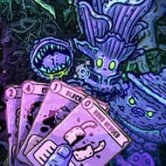
Shroom and Gloom looks like a cozy card game about cute fungi, but it plays like a survival horror deckbuilder where the enemies eventually end up on your dinner plate. That contrast is the whole pitch: hand-drawn mushroom monsters, ambient dread-soaked music, and a combat loop that rewards you for stabbing, seasoning, skewering, and roasting your way through The Gloom before eating what’s left to heal.
| Genre | First-person roguelike double-deckbuilder |
| Developer | Team Lazerbeam |
| Publisher | Devolver Digital |
| Decks | Combat deck and Explore deck, roughly 300 cards per pathway |
The core mechanic splits your deck in two: a combat deck for fighting the fungal foes crawling out of The Gloom, and an explore deck for navigating the dungeon itself, using shovels to dig up cards, lighters to start campfires, and tools to break through locked doors. Beginners almost always dump every resource into the combat side first, only to get stuck later without enough explore cards to reach new pathways or unlock characters.
Building Combos Inside The Gloom
Once you understand that health in Shroom and Gloom comes primarily from food, the whole strategy shifts. Roasting an enemy and eating it restores lost health, and throwing roasted enemies into a pot for a soup card multiplies that effect, turning what looks like a simple attack chain into a sustain engine. Players in the Team Lazerbeam Discord refer to this as “cooking your run,” and it’s become the community’s shorthand for a deck built entirely around season-and-roast synergies rather than raw damage.
Growing cards is the other pillar. A low-level starting card can be modified and grown into an overpowered attack across a run, and rare cards can be pushed into what the community calls game-breaking super-weapons. This growth system is why runs rarely feel identical, since the same starting deck can snowball in wildly different directions depending on which cards you choose to invest in first.
- Explore-deck specialists prioritize shovels and lighters early to guarantee campsite access before combat ramps up.
- Combo-focused players chase specific season-and-roast pairings even if it means skipping stronger individual cards.
- Completionists dig through every corner of a pathway looking for hidden secrets before advancing.
What the Early Access Launch Changed
The Early Access build launched with two distinct pathways, each carrying unique characters and its own pool of explore and combat cards. Devolver and Team Lazerbeam have said they plan roughly 12 to 24 months in Early Access, expanding the pathway count, adding character classes, and layering in new quests. The launch weekend alone pulled in around 700 reviews at a 91% positive rating, a number the developers have openly said they still want climbing higher.
One thing longtime demo players still debate is pacing. The default game speed feels slow to players who’ve logged dozens of hours, and the community has been vocal about wanting a faster sped-up option rather than the current two-speed toggle — it’s one of the more consistent pieces of critical feedback showing up in reviews even from people who otherwise call Shroom and Gloom one of the best auto-battlers or deckbuilders they’ve played this year.
Do you need to finish the combat deck before touching the explore deck?
No. Shroom and Gloom expects you to build both decks in parallel, since explore cards like the shovel and lighter are what let you reach new campsites and unlock the resources the combat deck depends on later.
What’s the fastest way to heal without wasting turns?
Roasting an enemy through the combat deck and eating the result restores health directly, and stacking multiple roasted enemies into a soup card compounds that healing rather than requiring a dedicated defensive card.
Whether you’re chasing a perfect soup-based build or just trying to survive one more room deeper into The Gloom, Shroom and Gloom keeps circling back to the same idea: the fungal foes you’re afraid of early on eventually become the ingredients that keep your run alive.