










XenoFeels
 (1 оценок, среднее: 5.00 из 5)
 Loading...
Similar Games







Description
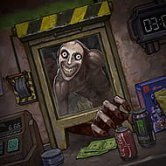
The service shotgun sitting on your desk in XenoFeels is nearly the last tool you should reach for, not the first. Long before it becomes relevant, the actual game is about slowing down enough to notice that a visitor’s photo is a shade too round, or that their vehicle plate has one digit that doesn’t match the paperwork.
| Genre | Sci-fi Checkpoint Simulator |
| Setting | Asteroid checkpoint guarding the planet Dearth |
| Core Mechanic | Compare documents, photos, and vehicles to spot impostors |
| Structure | Fixed daily quota of visitors, no timer |
The Six-Check Order in XenoFeels
Every visitor passing through your booth needs to clear the same routine: papers, photo, body, vehicle, plates, and cargo. Early on you’re only checking whether the person in front of you matches their photograph, but the game keeps layering additional steps onto that same order as the days go by.
What separates XenoFeels from stricter genre entries is that there’s no clock forcing rushed decisions. A fixed number of visitors show up each shift, and taking the time to walk through all six checks properly is always an option, even if it feels slower than the tension of the setting suggests it should be.
New players tend to abandon the order the moment something onscreen looks strange, jumping straight to a gut call instead of finishing the checklist. That’s usually when a mismatched plate or hidden cargo item slips through unnoticed.
Reading Papers, Photos, and Poor Disguises
The paper trail is where most mistakes actually happen, according to players who’ve logged real time with the demo, not the visibly strange aliens the marketing leans on. A visa that’s technically valid but issued for the wrong sector, or a photo that’s almost but not quite the visitor standing in front of you, is far easier to miss than an obviously wrong face.
Vehicles and plates add a second layer of scrutiny. A fake plate might be nearly indistinguishable from a real one unless you cross-reference it against the paperwork, and cargo checks occasionally reveal prohibited items hidden well enough that a quick glance won’t catch them.
Players who keep a mental note of exactly what tripped them up on a bad call, rather than treating every mistake as random bad luck, tend to improve fastest once the checklist gets longer.
When Trusting the Wrong Visitor Costs You
- Approving a Xenos impostor lets them through the checkpoint toward Dearth
- Denying or shooting an innocent visitor carries its own narrative consequences
- Missed contraband in cargo checks can go unnoticed until it’s too late to fix
By the time a shift reaches its later visitors, fatigue starts working against careful play, and XenoFeels leans into that by having your character’s mental state visibly fray, with auditory hallucinations and stray propaganda bleeding into the booth the longer the job goes on.
Some of that psychological pressure is genuinely effective, especially once a visitor almost checks out but for one detail. Whether the game earns that tension consistently is one of the more debated points among players who’ve compared it to other checkpoint simulators in the genre.
What Divides Players About XenoFeels
The most common criticism isn’t the checkpoint loop itself, which most reviewers agree is a competent if simplified take on the format, but the tonal whiplash between the horror elements and the frequent pop culture parody characters that show up between serious story beats.
There’s also lingering confusion around the game’s tone after user-submitted Steam tags briefly mischaracterized its content; the developer has since clarified what’s actually in the game, though some players still bring it up when discussing whether XenoFeels takes its own premise seriously.
Completionist players chasing every multiple-ending branch tend to be more forgiving of the tonal shifts than players who came in expecting a straighter horror experience the whole way through.
Whether or not XenoFeels earns the comparisons it invites, the six-check order is what actually makes the job at the checkpoint stick, and the moment a nearly perfect plate or a too-round photo gives away a Xenos impostor is the closest the game gets to proving that a shotgun was never really the point.