







Wonderland
 (1 оценок, среднее: 5.00 из 5)
 Loading...
Similar Games




Description
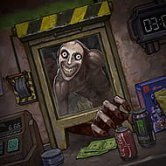
You slip through a gap in the fence and the carousel horses are already turning on their own, painted eyes catching light that shouldn’t exist under this sky. Wonderland doesn’t ease you into anything — the entrance seals behind you and the rest is improvisation. Nothing about the layout you’re standing in will be the same for the next group that spawns in.
| Genre | Horror, Escape, Adventure |
| Platform | Mobile, PC, Console |
| Player Count | Solo or up to 5 |
| Core Objective | Escape the park before your group runs out of lives |
Reading the Randomized Layout of Wonderland
The single hardest habit to break when you start this game is trusting a route you remember from a previous attempt. Locations, mini-game placement, and which creature spawns where all shift on a new seed each run, so a walkthrough that saved your group last time can send you straight into a dead end this time. New players lean on muscle memory built from linear horror games, and Wonderland punishes that instinct almost immediately.
What actually helps is treating every corridor as unread information. Sound cues, distant screams, and the flicker of lighting near a mini-game station tell you more than any memorized map ever could. Players who adapt fastest are usually the ones who stop trying to predict the park and start reacting to what’s directly in front of them.
By the time you’ve made it past the first couple of encounters, you start noticing the park’s rhythm even without a fixed layout — mini-game stations tend to cluster near choke points, and open plaza areas are where the bigger chase sequences tend to trigger. That pattern recognition is really the only “map knowledge” that carries over between runs.
Wonder Shop Gear and Fighting Back
Most horror games on this platform limit you to running and hiding, but Wonderland gives you actual offensive tools through the Wonder Shop. The Hammer and the Minigun are the two headline items, purchased with Tickets earned during a run, and they change how a squad approaches an encounter instead of just how fast it flees one.
The Minigun in particular comes with a built-in tradeoff: its own in-game description notes it’s loud, which pulls in extra monsters if you fire it somewhere you didn’t need to. Players who rush to buy it often learn this the hard way during their first Mole Chase.
Starting loadout: every run begins with a Candle, a Health Pad, and a Magna Doodle, three low-key items that matter far more than their plain names suggest once you’re actually mid-encounter and out of options.
Mini-Games That Gate Every Exit in Wonderland
Progression in this game isn’t just about avoiding creatures — it’s tied directly to solving whatever mini-game is blocking your path. There are four confirmed formats: sequential puzzles that need to be completed in strict order, lever arrays where the whole squad has to coordinate switches at once, mazes designed purely to disorient, and timed platforming sections players usually just call obbies.
What beginners get wrong here is splitting up during a lever array without communicating, which resets progress and burns time you don’t have once something starts hunting nearby. Squads that talk through a puzzle out loud, even briefly, clear these sections noticeably faster than ones that don’t.
In some cases the mini-game isn’t optional progression — it’s the only way out of an active chase. That dual purpose is part of what makes the pacing here feel different from other Roblox horror titles built around a single fixed escape route.
Facing the Mole Chase and the Park’s Named Threats
Once you reach the Mole Chase, the tone of a run changes completely. This is a dedicated high-stakes sequence built around a subterranean creature tunneling beneath the group, and it’s usually the moment a casual playthrough turns into a coordinated retreat. A colossal devouring worm shows up in its own separate chase sequence elsewhere in the park, and a much faster ambush predator specializes in leaping out in narrow corridors rather than open plazas.
Wonder himself — the grinning sun mascot referenced as the park’s creator — doesn’t chase you directly, but his presence is stitched through almost every item description and environmental detail, which gives the whole park a sense that something is watching even when nothing is actively hunting.
The honest criticism players raise most often is that giving squads combat tools like the Hammer shifts Wonderland away from the pure evasion horror some fans wanted from a game with this pedigree. It’s a fair point, and it’s clearly a deliberate design choice rather than an oversight.
Squad Roles Inside Wonderland
With up to five players per run, most groups naturally fall into loose roles. Some players gravitate toward clearing mini-games as fast as possible, treating the puzzle stations as their responsibility while everyone else keeps watch. Others focus almost entirely on managing Tickets and Wonder Shop purchases, since a well-timed Hammer buy can save a run that’s going sideways.
Solo players face a different version of the game entirely, since there’s no one to split lever-array duties or watch a second corridor with, which makes the early mini-game rooms noticeably tenser without backup.
Communication ends up mattering more than raw item stockpiles. A group that calls out which corridor a sound came from usually outperforms one that’s better equipped but silent.
Frequently Asked Questions
How many players can join a Wonderland run?
Runs support solo play or squads of up to five, and the developers have said the pacing was built to work for both a quiet single-player attempt and a full, chaotic lobby.
What does the Minigun actually do in Wonderland?
It’s a purchasable Wonder Shop weapon that gives your squad direct offensive options against creatures, though its own description warns that firing it is loud enough to draw in monsters you weren’t already dealing with.
Is there a fixed layout to memorize in Wonderland?
No — every run generates a new version of the park, so locations, mini-game placement, and creature spawns change each time, which is why route knowledge from a previous run doesn’t reliably transfer.
Wonderland works because it refuses to let you get comfortable, and that’s exactly what splits its player base — some love the randomized pressure, others wish the Mole Chase came with a little more warning. Either way, the run doesn’t end until you’ve made a decision about that Hammer purchase or paid for skipping it.