














Volatiles
 (1 оценок, среднее: 5.00 из 5)
 Loading...
Similar Games









Description
What happens when the arena you fight in is the very thing you level up? In Volatiles, a top-down action roguelike set in an analog sci-fi nightmare, every level-up hands you a new tile to place, and that tile decides both where the alien hordes can reach you and what your build looks like next.
| Genre | Top-down action roguelike |
| Platform | Windows |
| Mode | Single-player |
| Setting | Analog sci-fi nightmare inside a covert lab |
| Core mechanic | Placing arena tiles as you level up |
| Opposition | Alien hordes and the Mold |
One Tile at a Time: How the Arena Grows in Volatiles
Every run begins with a single tile. You fight through alien hordes, gather experience, and each time you level up you place a new piece of the arena. The map is not a fixed stage you learn by heart. It is a structure you assemble while you are being chased, so the layout depends on your choices instead of a memorised route.
Tiles do two jobs at once. They define the shape of the battlefield, and they also carry your build choices: weapons, upgrades, healing, tools, defenses, or risky synergies. Placing a tile is therefore never only a spatial decision. The game ties your power curve to your floor plan, which means where a tile goes can matter as much as the pick itself.
The loop of a single run looks like this:
- Start on one tile and fight the first alien horde.
- Gather experience and level up.
- Place a new tile and choose which weapon, upgrade, healing, tool or defense it brings.
- Adjust your movement to the new shape of the arena as the hordes keep coming.
- When you fall, wake up in the sensory tank, unlock new abilities and dive back in.
Open Lanes or Narrow Paths: Reading Your Tile Choices
There are two broad ways to shape the arena. You can keep the battlefield open, connecting distant parts of the map to create room to dodge, or you can build narrow paths that turn the swarm against itself. Open layouts favour constant movement and kiting, while narrow ones favour funnelling and punishing crowds that bunch up.
Arena shooter fans tend to gravitate toward open lanes because the dodge-and-reposition rhythm feels familiar. Players who lean toward the strategy side of the genre mix will find more satisfaction in a tight corridor that does half the fighting for them.
Early on, with only a handful of tiles in play, each placement is a large share of the whole arena, so a single choice can lock in your style for the run. Once the map has sprawled, you have more room to correct course, but the hordes have also become more challenging by then.
The Mold, the Lab and the Sensory Tank
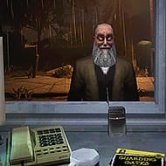
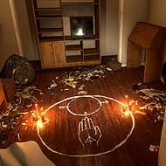
The story frame is as unusual as the arena. You wake up in a covert lab with no clear memory of how you got there, and the people around you call what happens to you treatment. Every dive into the sensory tank raises more questions than it answers, and each run is a trip into a nightmare experiment inside your own mind.
Something called the Mold is buried in your head, feeding you visions, broken memories, and battlefields that should not exist. Between runs you search for fragments of the truth, and the game asks you to listen carefully to the people who say they want to help. Somewhere outside the nightmare, strangers in the lab are watching, and whatever is growing in your mind is learning how to take control.
Dying is part of that structure. When you fall, you wake up in the cold, water-filled tank, unlock new abilities, strengthen your mind, and go back in with a better plan. Players who enjoy story-rich roguelikes will notice that failure feeds the plot as much as the build, which gives a lost run a purpose beyond the retry button.
Why Volatiles Punishes Careless Building
The pitch is blunt: build smart and your mind becomes a weapon, build carelessly and your own dream turns into a nightmare. The classic beginner mistake is grabbing every tempting upgrade tile without asking what it does to the space around you. A tile that boosts damage but seals off your escape route is a trade worth thinking twice about.
Difficulty rises as the hordes grow more challenging, and the game carries a Difficult tag for a reason. Risky synergies are where experienced players find their biggest wins, since they pay off when your layout supports them and backfire when it does not. Treat every placement as a bet about the fights that come after it.
One honest warning: this is not a gentle story. The developers flag frenetic shooting and killing of non-human enemies, cartoon violence, unrealistic blood, tobacco use and crude language, so it is not suited to every audience. Players who want something relaxed should check that description first.
Volatiles asks you to plan an arena you will have to survive in, one tile at a time. Keep your lanes open when you need room to dodge, close them when the swarm is ready to be funnelled, and remember that every death in the Mold’s dream just sends you back to the sensory tank with a few more answers and a better plan.