















Unlisted
 (1 оценок, среднее: 5.00 из 5)
 Loading...
Similar Games








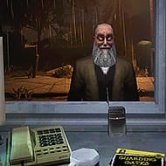


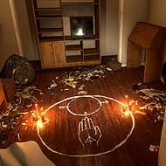
Description
Unlisted looks like a quiet walk through ordinary places, but every episode is built to turn that calm into dread. Your son has gone missing, and then the videos start arriving: uploads recorded by other parents who are searching for their own lost children. This is a short, first-person psychological horror walking simulator, and the whole point is to find out what those videos want from you.
| Genre | First-person psychological horror, walking simulator |
| Players | Single-player |
| Structure | Short, intense episodes |
| Average playtime | About 50 minutes |
| Voice acting | English |
Where Unlisted Starts: A Missing Son and a Strange Upload
You begin as a parent whose son has disappeared, which means the stakes are personal before you take a single step. Early in the game, the unlisted videos arrive without explanation, and each one drops you into someone else’s desperate search. The question the story keeps asking is whether those recordings connect to your own son’s disappearance.
Hope and dread share the same screen. Every clip could be a clue or a trap.
Because the videos come from other grieving parents, the tone leans on shared loss as much as on creatures. Players who respond to emotional horror more than to sudden scares will find this the strongest hook.
Episodes, Parents, and Locations That Keep Changing
Instead of one long haunted house, the story is split into short episodes. Each follows a different parent in a different location with its own atmosphere. By the time you reach the second video, you should expect that nothing about the first location prepares you for the next.
The store page lists diverse locations and creatures and describes the danger as constantly shifting, so the same survival instincts will not work twice. That variety keeps the pacing from settling into a routine.
The structure suits players with limited time, since the average playtime is about 50 minutes, and it leaves little room for filler. Anyone who wants a long campaign should know that going in.
What You Actually Do in Unlisted
Walking simulator means exploration and observation take priority over combat. You move, look, listen, and let the environment tell the story, so the sound of your own footsteps and the length of each corridor carry more weight than any weapon could.
First-person view keeps you close to each parent’s fear, and the realistic graphics make unfamiliar places feel uncomfortably plausible. Professional English voice acting supports the sense that these are real people, not stock characters.
Linear flow is one of the tags players use for it, so expect a guided path rather than open-ended exploration. Some players want more to do than walk, and that is a fair complaint for the genre, so anyone hoping for complex puzzles or combat should adjust expectations first.
Flashing Lights and Intensity Warnings Worth Reading First
The page includes a warning about flashing lights and intense visual patterns that may trigger photosensitive epilepsy, and it deserves to be taken seriously. A demo is available, which makes it easy to test your comfort level before committing to the full game.
The page is also upfront about tone, saying the outcome of each episode is always tragic. This is not a story where good choices rescue everyone, and the gore tag suggests some scenes will be hard to watch.
Players who enjoy found-footage-style horror will feel at home with the idea of watching strangers’ recordings, while anyone looking for a hopeful ending should know the story frames each search as a tragedy waiting to happen.
Who Should Try Unlisted and Who Should Skip It
Atmospheric psychological horror fans are the obvious audience, especially those who like short sessions they can finish in a single evening. The demo is a low-risk way to see whether the tension works for you.
If you want fast action, long runtimes, or branching choices, you will probably be disappointed. Players regularly debate whether a roughly 50-minute length is a strength or a limitation in this genre, and both sides have a point.
What most people agree on is that a story about a missing child needs room to breathe and then needs to end before it overstays. Whether that balance works is exactly what the demo lets you judge for yourself.
Unlisted works best when you let each video play out as its own small tragedy, with your missing son waiting at the edge of every frame and a different parent walking toward a different horror each time. It is a compact, uneasy walking simulator that asks whether finding answers is worth what you might see.