



The No Jumpscare Show
 (1 оценок, среднее: 5.00 из 5)
 Loading...
Similar Games


Description
The No Jumpscare Show looks like a joke you can see coming from the title alone — a horror game that dares you not to be scared — but it plays like something closer to a psychological dare where the joke is only half the point.
The Show Format Inside The No Jumpscare Show
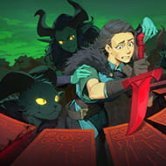
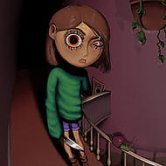
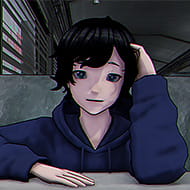
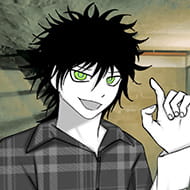
Framing the entire experience as a game show, hosted by Thingy the Thing, is what separates this from a straightforward haunted-house walk. You’re not just a silent player character wandering rooms; you’re a contestant, and Illy’s attitude toward the whole situation — visibly unimpressed, occasionally pushing back at the host — gives the game a personality most short horror titles skip entirely.
The $10,000 stake matters more than it might seem on paper. It reframes every room as a test with a concrete outcome attached, rather than horror for its own sake, and it gives Thingy the Thing a built-in reason to keep upping the pressure without technically ever delivering a jumpscare.
This is a narrative game first.
That single fact changes how you should approach it: there’s no combat, no inventory to manage, no failure state built around reflexes. The tension is entirely about pacing, dialogue, and the slow erosion of the “no jumpscares” promise, which means the usual horror-game instincts — checking corners, conserving resources — don’t really apply here.
Illy as a Reluctant Contestant
Illy’s characterization is doing a lot of the comedic work. She’s not a blank horror-game protagonist reacting in generic terror; she’s someone who signed up specifically because she thinks the horror industry has gotten lazy, and her visible irritation at Thingy the Thing’s antics is where most of the game’s jokes land.
That attitude also raises the stakes emotionally in a way pure fear wouldn’t. You’re not just hoping Illy survives — you’re watching someone confident in her own skepticism get slowly worn down, and the game clearly wants you second-guessing whether her confidence was ever justified.
Early feedback from players who picked up the itch.io release specifically praised how the creepy atmosphere and Illy’s dialogue play off each other, describing the tone as landing somewhere between genuinely unsettling and laugh-out-loud, sometimes within the same scene.
Thingy the Thing’s Role as Narrator and Antagonist
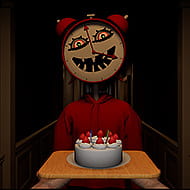
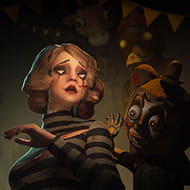
Thingy the Thing isn’t a monster in the traditional sense — the character functions as both host and antagonist simultaneously, narrating the rules of the show while quietly bending them. That dual role is unusual for horror; most games separate the “voice guiding you” from the “thing threatening you,” and collapsing both into one character is part of what makes the dynamic memorable.
By the time you reach the chase sequence late in Part 1, Thingy the Thing’s commentary has shifted noticeably in tone, and that shift alone tells you more about where the story is heading than any visual cue does.
The Dither Aesthetic as a Storytelling Tool
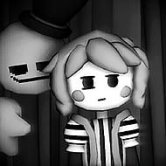
The screen-space dither lighting isn’t just an art style choice sitting on top of the game — it actively participates in the horror by making silhouettes ambiguous at a glance. You’ll catch yourself second-guessing whether something in the frame moved or whether it was always static, which is a much quieter kind of unease than a traditional scare.
What “No Jumpscares” Actually Means Here
Players searching for whether this promise holds up tend to land on the same conclusion: the game defines jumpscares narrowly, as sudden audiovisual stings, and builds its horror instead through pacing and implication. Whether that satisfies the letter of the title is exactly the debate the community keeps having.
Community Reaction and the Sequel Question
Because Part 1 ends on a clear hook, a large part of the current conversation around the game isn’t about difficulty or mechanics — it’s speculation about what Part 2 will do differently, especially given how the chase sequence leaves things unresolved for both Illy and Thingy the Thing.
Reviewers and early players have also flagged the short runtime as a point of debate, with some wanting a longer single release and others appreciating that Part 1 stays tight instead of padding a thirty-minute idea into something longer than it needs to be.
None of that criticism undercuts what the game is trying to do; if anything, the debate about pacing and length mirrors the debate about jumpscares — both come down to how strictly you hold the game to its own stated promises.
- Is The No Jumpscare Show scary if you don’t normally like horror games? Yes, largely because the fear comes from atmosphere and Thingy the Thing’s unsettling narration rather than reflex-based scares, making it accessible to players who avoid horror for the jump-scare factor specifically.
- Does the chase sequence break the game’s own rule? It’s the most contested moment in the game, with players split on whether it counts as a jumpscare or a staged twist consistent with the show’s format.
- Will there be a Part 2 to The No Jumpscare Show? Yes, this release is explicitly framed as the first half of Illy’s story, with a continuation planned to resolve the chase sequence’s cliffhanger.
The No Jumpscare Show earns its title more than its premise suggests at first glance, and it’s Thingy the Thing’s narration — still running after the credits should have rolled — that stays with you longer than any single scary room does.