















Serve or Die
 (1 оценок, среднее: 5.00 из 5)
 Loading...
Similar Games










Description
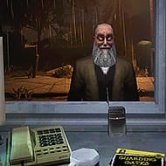
You clock in, wipe down the counter, and flip the sign to open. The first order comes through simple: one sandwich, no pickles, extra napkins. By the third customer of the night, something about the way they’re standing outside the window doesn’t sit right, and by the sixth you’re no longer sure the shop is as empty as it looks. Serve Or Die builds its horror out of a job that starts almost boring on purpose.
| Genre | Psychological Horror, Simulation |
| Setting | Night-shift sandwich shop |
| Players | Single-player |
| Style | PSX-inspired, VHS atmosphere |
The Night Shift Loop in Serve Or Die
The core loop is deceptively plain: a customer walks up, states an order, and you assemble it from the ingredients laid out behind the counter. Bread, filling, toppings, wrap, hand it over. That’s the whole game in one sentence, and that’s exactly the point. Every strange thing that happens later gets measured against this routine, because the player has already internalized what “normal” looks like by the end of the first shift.
What separates a good night from a bad one isn’t speed alone. Reading the order correctly under pressure matters more, especially once customers start layering odd requests into ordinary ones. New players tend to rush the build and get the sandwich wrong, which triggers its own quiet consequences rather than an obvious game over.
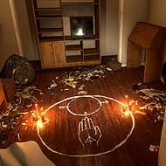
By day three the shop starts feeling different even when nothing has visibly changed. Lighting shifts, sounds carry oddly, and the counter itself starts to feel like less of a safe zone than it did on night one.
Timed Sandwiches and the Sandwich Man
Partway through a run, the shop introduces a stretch of three timed sandwiches back to back, and this is where most first attempts fall apart. The pressure isn’t just the clock; it’s that the shop’s mascot, Sandwich Man, stops being decoration once this sequence begins. Players describe the shift from prop to threat as the moment the game genuinely earns its reputation on forums and Discord.
- Watch the order ticket closely during the timed run, since mistakes here compound faster than earlier in the shift
- Keep track of where Sandwich Man was last seen rather than assuming he stays put
- Treat sound cues as more reliable than sight when the lighting gets unstable
Horror fans tend to push through this section on instinct, while players coming from cooking-sim backgrounds often get caught off guard by how suddenly the tone flips.
What Changes After Day Six
Once you reach day six in Serve Or Die, the shop stops giving the player the benefit of the doubt. Encounters that were previously avoidable start intersecting with the order queue directly, and the line between a service mistake and a fatal one gets thinner. Completionist players and those chasing every ending tend to treat day six as the real test of whether they understood the shop’s rules or just got lucky earlier.
Finishing the main run unlocks an endless mode, which shifts the appeal for a different kind of player entirely — the ones less interested in story beats and more interested in seeing how many nights they can survive once the shop has no more secrets left to reveal.
What does the sandwich mascot actually do in Serve Or Die?
Sandwich Man starts as background set dressing but becomes an active threat during the timed sandwich sequence, appearing near the counter and reacting to how the player handles the order pressure rather than following a fixed script.
Is there anything to do after finishing the main story?
Yes — completing the initial run unlocks an endless mode, letting players keep working the night shift indefinitely once the story-driven scares have played out.
Does Serve Or Die get harder as the nights go on?
It does, though not evenly. Early nights teach the base loop, day six introduces a noticeable spike, and the timed sandwich stretch is where most players report their first real scare.
Serve Or Die isn’t trying to reinvent horror mechanics so much as it’s trying to make a sandwich order feel like it matters, and by the time Sandwich Man stops behaving, it usually does. The shop rewards players who treat the counter as seriously on night one as they will by day six, because Serve Or Die never really tells you when the rules have changed — you’re just expected to notice.