














Roguecraft DX (ZX Spectrum Next)
 (1 оценок, среднее: 5.00 из 5)
 Loading...
Similar Games












Description
Roguecraft DX looks like a cheerful isometric stroll through a cartoon dungeon, but it plays like a one-life gamble where a single unlabelled potion can end your run. On ZX Spectrum Next, the Lovecraftian atmosphere of Mordecoom arrives in chunky pixel art, with Zendar standing at the entrance and, according to the intro, needing a bathroom break before anything else can happen. It is a turn-based roguelike built on simple rules and nasty surprises.
Picking a Hero for Roguecraft DX: Fighter, Mage or Rogue
Three heroes are on offer, and Zendar can be a fighter, a mage or a rogue, each with a distinct playstyle and special abilities. The pick also works as a difficulty setting, since the heroes are designed to represent different levels of challenge. That makes the choice more important than in many roguelikes, where a class is mostly a flavor decision. Choosing wisely at the start can decide whether the first runs feel fair or brutal.
Newcomers often grab the class whose name sounds coolest and then wonder why the dungeon feels so harsh. A better approach is to treat your first few runs as learning dives and pay attention to how each hero handles the same dangers. Because every class meets the same potions, the same monsters and the same boss, the differences are easy to compare once you have tried more than one.
In the first two minutes, what stands out is how calm everything feels. The isometric grid is easy to read, the game moves only when you do, and the dungeon mood sets in before anything attacks. Roguelike veterans will recognize the rhythm immediately, and the PC edition of Roguecraft DX describes runs of roughly 30 to 40 minutes, so a session here is meant to fit into one sitting.
Descending Through Mordecoom: Procedural Floors and Secret Rooms
Every level of Mordecoom is procedurally generated, so no two descents lay out their corridors, rooms and pickups in the same way. The maze-like depths reward curiosity, because secret rooms are hidden away just waiting to be found. Turn-based movement means you can plan each step carefully, which suits players who like to think a dungeon through instead of rushing it. By the time you reach the lower floors, a habit of checking dead ends can mean the difference between a decent pickup and a missed one.
Then there are the chickens. The game advertises no easter eggs and just lots of chickens, and the dungeon treats them as genuine hazards instead of jokes. They are funny until you are low on health and one wanders into your path, which is when players quickly learn not to laugh. That balance between silliness and danger is a big part of why the dungeon feels memorable.
The PC edition of Roguecraft DX lists a 15-level descent, and the Spectrum Next release keeps the same basic structure of working downward toward a boss on the final level. It is the kind of run where every floor adds a little more pressure, and the dive feels longer than the number of screens suggests. Fans of classic dungeon crawlers get a compact trip with an unmistakable retro flavor.
Unlabelled Potions and the Gamble of One Life in Roguecraft DX
Potions are the heart of the risk. The dungeon is full of mysterious bottles with nothing to tell you what is inside, and the game cheerfully hints that you probably should not drink them. With only one life, quaff-testing becomes the classic roguelike question: do you drink now and learn, or wait and hope for a safer moment? Once the first unknown potion goes down, the whole run feels different, because every later bottle carries a little more history.
Permadeath is the part players argue about most. Some find one life too punishing, especially when a bad potion or an unlucky encounter ends a promising run in seconds. Others say the tension is exactly why the game works, and that every pickup matters more when you cannot simply reload. The hero you choose can soften or sharpen that experience, which is another reason the class decision matters.
Pickups and potions together create the sense of building something over a run. A good find on one floor can change how you approach the next, and a bad one teaches you what to avoid next time. Roguelike newcomers learn quickly that the dungeon rewards patience, while veterans get a clean, readable system without a long manual.
Facing the Tentacle-Toting Boss at the Bottom of Mordecoom
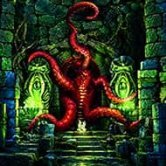
At the end of the descent, a tentacle-toting boss waits on the final level, and it is the reason the run is worth finishing. Reaching it means surviving every earlier floor with only one life, so the fight feels like the payoff for dozens of careful choices. Once the boss appears, the Lovecraftian theme stops being decoration and becomes the main event. Anyone who clears it earns the rewards the dungeon promised from the start.
Preparation matters more than panic. Arriving with your best potions saved, your hero’s special abilities ready and your route through the last floor thought out gives you a real chance. Because every level is procedurally generated, you cannot rely on memorized layouts, so you adapt to whatever you collected this run instead of repeating a fixed plan.
The soundtrack and sound effects add a lot to the mood, with an atmospheric score and effects that lean gruesome in the best retro-horror way. Spectrum Next owners looking for a fresh dungeon crawler to add to the library will find a compact, replayable run here, and one attempt is rarely enough to see everything the dungeon has to offer.
Questions About Roguecraft DX on ZX Spectrum Next
Players arriving at the Spectrum Next release usually bring the same handful of worries, mostly about which hero to choose, whether potions are safe, and how to survive the final level. The answers below stick to what the dungeon actually offers.
Roguecraft is meant to be learned by playing, so none of this replaces a few failed runs, but it should point you in the right direction before you step through the entrance.
- Which hero should a newcomer pick in Roguecraft DX? Each of the three heroes has its own special abilities and acts as a difficulty setting, so the best first pick is the one you find easiest to understand. Treat early runs as learning dives, since all three face the same unlabelled potions and the same tentacle-toting boss at the bottom, and only the playstyle and difficulty change.
- Are unlabelled potions safe to drink? Not reliably, because the dungeon is full of mysterious potions and a bad quaff can end a run when you only have one life. Test unknown bottles when your health is healthy and no chickens are nearby, so a poor result is survivable instead of fatal.
- How do you beat the final boss? The tentacle-toting boss waits on the final level of Mordecoom, so arrive with your hero’s special abilities ready and your best potions saved for it. Since levels are procedurally generated, no two descents hand you the same pickups, so adapt to what you collected rather than following a fixed route.
Roguecraft DX gives ZX Spectrum Next owners a compact dungeon where Zendar’s fortunes hang on a single life, a handful of unlabelled potions and a tentacle-toting boss waiting at the bottom. The chickens of Mordecoom keep the mood playful, but permadeath keeps every step honest. Pick a hero, quaff carefully and expect to descend more than once before you finally reach the end.