















Reverse T-gotchi
 (1 оценок, среднее: 5.00 из 5)
 Loading...
Similar Games






Description
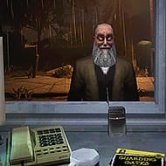
What happens when the hand that feeds you also decides you should go hungry? Reverse T-gotchi flips the familiar pocket-pet routine so that you are the Tamagotchi, and the owner sets every rule. The result is a first-person psychological horror game where care stops being comforting and starts feeling like pressure.
| Genre | First-person psychological horror |
| Player role | A Tamagotchi who depends on an owner |
| Visual style | PSX-inspired low-poly look |
| Sound | Spatial 3D audio |
| Mode | Single-player |
What Being the Pet Changes in Reverse T-gotchi
In a standard virtual pet routine you are the one pressing the buttons: feed, wash, play. Here the roles are inverted, and the store description is blunt about it, because you have no control over the big decisions. The owner chooses whether you get fed or starved, and whether you receive attention or get left alone with emptiness. Familiar Tamagotchi vocabulary like hunger and attention becomes something you wait for instead of something you manage.
Because the camera is first-person, the owner’s power feels physical rather than abstract. You are not tapping a menu; you are standing in a space where someone else’s schedule governs your day. Horror fans who prefer slow psychological dread over jump scares will find the setup well suited to them, since the pressure comes from dependency rather than from being chased.
Expect to feel small early in the game, and expect that to be the point.
Owner Whims Versus Your Own Needs
The central tension comes down to two competing demands. Fulfilling the owner’s whims keeps him happy, while satisfying your own needs keeps you from going without, and the two do not always line up. The game asks you to decide which one to serve first when a request pulls you away from something you require.
A few pressures shape nearly every decision you make:
- Reading what the owner wants right now
- Meeting your own needs before they go unanswered
- Noticing when the owner is absent and the room is yours
Players who enjoy stealth-leaning design will likely read the owner’s routine the way they would read a patrol pattern, watching for windows where you can act without being noticed. The store page makes the stakes clear: skip the whims and your own needs go unmet, so obedience and self-preservation constantly pull against each other.
The Room and the Secret Places Beyond Its Borders
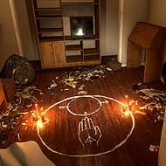
Your world begins as a single room, and the description promises that you can explore it and uncover secret places hidden beyond its borders. That makes the space more than a backdrop. It works like a map you have to read, with the reward for curiosity being whatever lies past the edges the owner expects you to stay inside.
Lore hunters will probably get the most out of this part, since the game carries lore-rich and mystery tags and hidden spaces are where that kind of storytelling usually lives. Look closely at how the room is arranged, because a space built around one owner’s habits tends to reveal those habits.
By the time you start finding spaces past the room’s borders, the question likely shifts from how to get through today to what this place is actually for. That change in motivation is where the walking-sim side of the game takes over from the pet-care routine.
PSX Visuals and Spatial Sound as Warning Systems in Reverse T-gotchi
The PSX look means chunky low-poly shapes, low-resolution textures, and a deliberately murky palette. Players in the PSX horror crowd know how well that style hides detail, so a dark corner in the room can feel more threatening than a sharp, high-resolution one would. The darkness is part of the atmosphere rather than a flaw to work around.
Spatial 3D sound adds a second layer. It should let you judge where the owner is by ear, which turns headphones into a practical tool: footsteps and movement can warn you before the owner enters your view. A sound that comes from behind a wall tells you something is happening where you cannot see.
Together the visuals and audio do the work that a heads-up display would do in another game. You are never handed a clean meter telling you what is safe, so you learn to trust what you hear and what you glimpse in the gloom.
Where Reverse T-gotchi Divides Players
Handing the player almost no control is the most divisive choice in the game. Some people find it brilliantly uncomfortable, while others will feel it as frustrating passivity, especially if they expect a survival horror loop with tools and escapes. Knowing that going in will save you from a mismatch.
The walking sim pacing is the second point of debate. Slow exploration and quiet stretches build dread for patient players, but anyone who wants constant action may find the rhythm too restrained. The premise itself is also unsettling, since starvation and neglect are the main threats, and not every player wants that tone.
A demo is available on Steam, which makes it easy to test whether the pacing and the owner’s control suit you before committing. For a short psychological horror project, that kind of trial run is the fairest way to judge the tension.
Questions About Surviving the Owner’s Rules
- Can you fight back against the owner in Reverse T-gotchi? The store description frames you as having no control over the owner’s decisions, so open resistance is not the point of the game. Instead you work inside the rules, balancing the owner’s whims against your own needs and using the room as your only outlet for curiosity.
- What happens if I ignore the owner’s whims? The game states that if you fail to satisfy the whims, your own needs go unmet. That makes obedience a survival tool, so ignoring a request is a risk to weigh rather than a free act of rebellion.
- Is there more to explore than the starting room? Yes, the description mentions secret places hidden beyond the room’s borders. Exploring them is a core part of the game, and they are where players looking for story and atmosphere will spend their curiosity.
Reverse T-gotchi works best when you treat every owner whim as a puzzle and every secret place beyond the room as a small act of defiance. Once your own needs begin competing with what the owner wants, the PSX gloom and spatial sound stop being decoration and start steering your choices.