














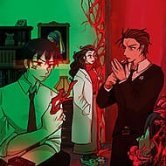
Mycopsychosys: Project Jupiter

 (2 оценок, среднее: 4.50 из 5)
 Loading...
Similar Games










Description
The Plague Control Department in Mycopsychosys: Project Jupiter does not start you off with a weapon or a heroic mission. It starts you off with paperwork. Hugo is a rookie officer in Spain, a deadly new infection is spreading, and the first thing the job demands is patience with flickering fluorescent lights, awkward coworkers, and endless bureaucracy. That gap between mundane office life and creeping dread is the hook that holds the whole game together.
| Genre | Narrative horror adventure with puzzle elements |
| Players | Single-player |
| Setting | Spain, inside the Plague Control Department |
| Protagonist | Hugo, a rookie officer |
| Structure | Chapter-based story with a non-linear narrative |
| Content | Death, gore, body horror, and drug use |
Office Life at the Plague Control Department in Mycopsychosys: Project Jupiter
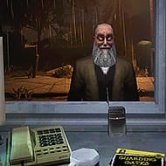
The office is not a tutorial wrapper, it is half of what the game is about. Hugo spends real time between paperwork, inspections, and arguments with coworkers, and those scenes are where the main cast gets its personality. Players who arrive for the horror sometimes expect to be thrown into danger at once, and the Plague Control Department corrects that expectation quickly. The routine also makes the later cases hit harder, because you already know the strange people standing next to you.
The tone leans on dark comedy before it leans on dread. Bureaucratic absurdity and eccentric civil servants make the first disturbing discovery land cleanly, since nothing in the office prepares you for it.
Early in the game it is tempting to treat the office as downtime between expeditions. That is a mistake, because meeting and interacting with people is how you collect clues and bond with the cast, and small conversations can matter later. Story-first players and visual novel fans will feel most at home here, while those who want constant action may find the pace deliberate.
Hugo in the Field: Contaminated Zones and Abandoned Facilities
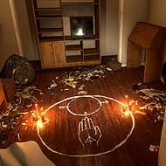
Once Hugo is deployed, routine investigations turn into desperate survival missions. You explore contaminated zones, abandoned facilities, and other dangerous environments while searching for the cause behind the infection. The pixel art and 1980s atmosphere keep everything grounded in a recognizable, slightly worn world, which makes the body horror feel more uncomfortable than a polished sci-fi setting would.
The game is upfront about its content, which includes death, gore, body horror, and drug use within the context of crime scenes and a zombie-like virus. Survival horror fans will find the field sections the most tense, because every location is both a source of evidence and a place you would rather not stay in for long.
Treat each expedition as an evidence hunt rather than a simple escape. The longer you investigate, the clearer it becomes that this disease may not be natural and that forces far greater than the Plague Control Department are involved. By the time a deployment ends, the questions you carry are usually bigger than the ones you started with.
Clues, Puzzles, and a Non-Linear Narrative
You are meant to solve the mystery like a true detective, collecting clues and following a narrative that does not move in a straight line. The mix of puzzle, hidden object, and visual novel influences means the mechanics shift from scene to scene. Beginners tend to rush through dialogue to reach the next location, then discover that an overlooked line was the one that explained a later discovery.
A typical case moves through a rhythm that alternates between the office and the field:
- Receive the assignment and talk to coworkers at the Plague Control Department
- Deploy to a contaminated zone or abandoned facility
- Explore, interact, and gather clues
- Return and connect what you found to the larger conspiracy
Because the narrative is non-linear, the order in which you learn things shapes how the mystery feels. Before leaving any location, it helps to check a few habits:
- Conversations you skipped or rushed
- Objects you walked past on the way in
- Whether a new clue contradicts what a coworker told you
A Partner Hard to Trust and a Cast Worth Bonding With
Hugo works alongside a partner who is difficult to trust, and that single relationship colors almost every investigation. You are never sure how much to share or how much to believe, which turns ordinary field work into a quiet social puzzle. Detectives in fiction often rely on a reliable sidekick, and this game deliberately withholds that comfort.
The wider cast is a collection of strange personalities, and the game encourages you to bond with them rather than treating them as quest dispensers. Players who enjoy character-driven mysteries will get the most out of these moments, because the personal stakes are what keep the infection plot from feeling abstract.
The honest caveat is scope. Only the main storyline of the first chapter, out of a planned three or four, is playable now, and the first public version may contain bugs. Secondary missions are not available yet, and the text is English only for the moment, so some players may prefer to wait for later chapters before committing.
Questions About Mycopsychosys: Project Jupiter Chapters and Story
How many chapters does Mycopsychosys: Project Jupiter have?
The story is planned as three or four chapters, with smaller secondary stories involving the main cast added later. The current version contains the main storyline of the first chapter, so some mysteries about the infection are intentionally left open.
Who is Hugo and what does he do?
Hugo is a rookie officer at the Plague Control Department who handles paperwork, inspections, and field investigations. As the infection spreads across Spain, his routine cases become survival missions that lead him into contaminated zones and abandoned facilities.
Is it a visual novel or a survival horror?
It is a mix. The story is mainly narrative-driven, with conversations and clue gathering in the office, while the field expeditions bring in puzzles and survival tension. Players who enjoy both reading and exploring will likely find the balance fitting.
Mycopsychosys: Project Jupiter works best when you let the Plague Control Department settle in before the horror begins: learn your coworkers, doubt your partner, and then step into the first contaminated zone with Hugo already carrying too many questions. The infection is only part of the mystery, and the people around you may be the rest of it.