






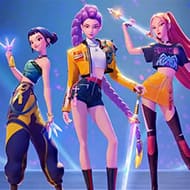
KPop Demon Hunters
 (1 оценок, среднее: 5.00 из 5)
 Loading...
Similar Games
Description
What actually happens when the Honmoon starts to weaken while you’re still mid-performance? That’s the tension KPop Demon Hunters builds its whole loop around — you’re not just fighting, you’re performing while the stakes climb, and the game wants both halves to matter at once.
| Genre | Action / Rhythm-Combat |
| Team | HUNTR/X |
| Core Goal | Protect fans, defend the Honmoon |
Building Your Idol in KPop Demon Hunters
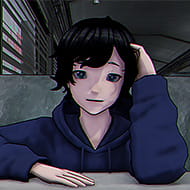
Character creation isn’t a side menu here — it’s the entry point. KPop Demon Hunters has you build your own idol from scratch before you ever step into combat, and that idol carries forward across sessions, gaining new looks and gear as you play. The game treats that customization as part of the power fantasy rather than cosmetic filler, tying certain unlocks directly to combat progression instead of a separate shop grind.
Players coming in expecting a straightforward brawler tend to be surprised by how much the presentation layer matters. Stage lighting, crowd reactions, and the pacing of encounters all shift depending on how the performance is going, which keeps early sessions feeling different from later ones even when the underlying combat loop repeats.
New players often underestimate how much positioning matters once demons start targeting the crowd instead of you directly. Ignoring that shift is the single most common way early runs of KPop Demon Hunters fall apart.
HUNTR/X and the Fight for the Honmoon
The Honmoon is the game’s central stake — a barrier under constant pressure that HUNTR/X exists to defend. Every encounter ties back to it in some way, whether directly through boss fights or indirectly through how well you’ve protected the fans watching your set. Letting the crowd take too much damage weakens the Honmoon faster than any single enemy hit, which reframes crowd control as a defensive stat rather than a side objective.
Players who come from more traditional brawlers sometimes miss this at first, focusing purely on offense and wondering why the Honmoon meter keeps dropping anyway. Once that clicks, the whole rhythm of a run changes — you start reading enemy spawns for who’s heading toward the crowd, not just who’s closest to you.
Combat Pacing and Demon Waves
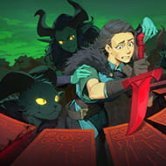
Demon waves scale in both number and aggression as a set goes on, and by the time you reach the later waves of a given stage, enemies start splitting attention between HUNTR/X and the fans in ways earlier waves don’t attempt.
Music-Driven Encounter Design
Encounters are built around musical beats rather than static timers, so the tempo of a given stage subtly telegraphs when pressure is about to spike — something players pick up on instinctively after a few sessions even if they can’t always explain why.
What Beginners Get Wrong Early
- Treating every demon the same instead of prioritizing ones heading for the crowd
- Skipping idol customization early, missing gear that scales with later fights
- Standing still during performance segments instead of repositioning with the beat
Roleplay-minded players tend to linger in social hubs between fights, treating the idol-building systems as an extension of their character rather than a means to an end, while combat-focused players rush straight back into demon waves the moment a cooldown clears. Both playstyles are supported, but they lead to noticeably different pacing through the same content.
Advanced Techniques Most Players Miss
Once you’ve cleared a handful of stages, timing your defensive actions to the music rather than reacting purely to visual cues starts to matter more than raw combat stats. Experienced players describe this as “reading the drop” — anticipating when a stage’s musical peak lines up with the heaviest demon pressure, and positioning HUNTR/X to protect the crowd right before that peak hits rather than after.
A smaller but dedicated group of players also treats the game’s social spaces as their main draw, using them to recreate scenes and interactions rather than chasing combat progression at all.
Frequently Asked Questions
- How do you protect the crowd in KPop Demon Hunters? Prioritize demons that are moving toward the audience rather than the ones nearest to you, since crowd damage drains the Honmoon faster than direct hits on HUNTR/X.
- Does idol customization affect combat in KPop Demon Hunters? Yes — certain cosmetic and gear unlocks tie into progression, so building your idol early isn’t purely visual and can affect how later stages play out.
- Why do demon waves feel harder later in a set? Later waves split their attention between HUNTR/X and the crowd, which is a deliberate pacing shift tied to the musical structure of each stage rather than a simple difficulty spike.
KPop Demon Hunters works because it never lets the performance and the fight fully separate — protecting the crowd, reading the beat, and keeping the Honmoon intact all pull on the same attention at once. Whether you’re chasing combat efficiency or just building out your idol between demon waves, that tension is what keeps pulling players back into the next set.