














Heroes of the Seven Islands
 (1 оценок, среднее: 5.00 из 5)
 Loading...
Similar Games












Description
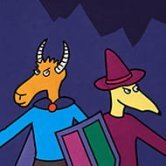
You walk into the first village with four heroes and an empty quest log, and nobody tells you which of the seven islands deserves your attention first. That openness is how Heroes of the Seven Islands introduces itself: Furax the Indestructible is already spreading sadness across Émeyralia, but the pace of the chase is yours to set. The art looks like a comic book sketched on notebook paper, and the whole game leans into that scruffy charm on purpose.
| Genre | Party-based RPG with turn-based combat |
| Exploration | Point-and-click, open world, non-linear |
| Platforms | Windows, macOS and Linux |
| Players | Single-player |
| Length | Roughly 5 to 10 hours on a first playthrough |
| Art Style | Hand-drawn on paper, then colored digitally |
The Hunt for Seven Keys Across the Emerald Archipelago
The main quest works like a scavenger hunt wrapped around a prophecy. Furax arrived through an inter-dimensional rift, Nightmare Creatures have started appearing on every continent, and only the Oracle can stop him, except the Oracle retired centuries ago. To track the old prophet down you must collect the 7 keys held by the 7 rulers of the 7 islands. Each island has its own biome, so the road runs through villages, cities, dungeons, caves and forests instead of one repeating landscape.
Nothing locks the order for you.
Because the structure is non-linear, completionists can spend hours on side quests before they ever meet a ruler. Early in the game that openness feels comfortable, but monsters grow stronger alongside your party, so a group that skips everything may feel underpowered once the later islands appear. That tension between wandering and pushing forward is the real pacing system of the game.
Building Your Party of Four in Heroes of the Seven Islands
Four heroes, the bravest of the brave, make up your party. The game is class-based and supports character customization, so the choices you make in the opening hour shape every fight afterward. A common beginner mistake is treating the first village as a formality and rushing out, only to find that a hastily assembled party struggles against the first Nightmare Creatures. Slowing down to read what each hero can do pays off faster than any piece of loot.
Before leaving the first village, a short checklist helps:
- Make sure your four heroes complement each other instead of stacking the same role.
- Spend gold on gear and supplies from merchants before entering the first dungeon.
- Talk to villagers, since side quests are scattered through the world and not handed to you in one place.
Veterans of the Might and Magic series will recognize the party-first mindset immediately, because the game borrows its spirit from the third to eighth entries while swapping first-person grids for point-and-click. The one friction point players mention is menu-heavy inventory management, which can slow the pace once your bags fill up. It is a small price for a party system that rewards planning.
Turn-Based Fights Against Nightmare Creatures That Stay Quick
Combat is turn-based but built to move fast, which is a relief if you remember the long waiting animations of older party RPGs. You give orders to your four heroes, the Nightmare Creatures answer, and the round resolves without much ceremony. Battles feel weighty enough to matter, yet short enough that a dungeon crawl never turns into a chore.
Early in the game most fights can be won by trading blows. Once you push into caves and dungeons, enemies scale up with your party, and it pays to use skills and equipment on purpose instead of by habit. Boss fights are where prepared parties separate from improvised ones.
The achievement names hint at what is waiting: Dragon Slayer, The Last Pharaoh and The Last Giant all sound like encounters worth saving your best gear for. Retreating to a town to restock is part of the rhythm and not a failure, which fits the comfy-but-challenging tone the game aims for.
Hand-Drawn Scribbles and Dungeon Synth: What Divides Players in Heroes of the Seven Islands
The art is deliberately scruffy, with bold marker lines, scribbled shadows and comic-book speech bubbles. Everything was drawn on paper, scanned, colored and animated digitally, and the creator jokes that it is poorly drawn. Players who expect polished 3D visuals should know the rough lines are the point and not a placeholder.
One detail that only shows up once you are playing is the soundtrack. It is dungeon synth, slow and moody, and it plays under bright cartoon scenery, so a cheerful village can feel oddly haunted. That mismatch becomes a big part of the personality of the game, especially in caves and dungeons.
There are fair criticisms too. The game is mid-sized, so anyone expecting a sprawling Might and Magic marathon will reach the ending sooner than they hoped, and the humor leans silly rather than serious. Some players bounce off the art in the first ten minutes, while others cannot stop talking about it.
Side Quests, Achievements and When to Slow Down
Side quests are scattered across the open world, and the 7 biomes all hide something worth a detour. Players call it a comfy CRPG for a reason: nothing punishes you for taking the long way, and the detours often hold the funniest moments. The game also has 18 achievements, which gives completionists a clear checklist.
Once you have gathered a handful of keys, the scale of the quest becomes clear. You are not only facing Furax the Indestructible, you are also hauling a retired Oracle back into the fight. That is where the silly comic-book tone shows up most strongly.
If you are unsure how much time to invest, the best approach is to alternate: clear a few side quests, push the key hunt forward, then return to town with better gear. That loop keeps the party level with the Nightmare Creatures and keeps the story moving at a pleasant pace.
Questions Players Ask Before Starting Heroes of the Seven Islands
How long does Heroes of the Seven Islands take to finish?
Plan on roughly 5 to 10 hours for a first playthrough, depending on how many side quests you chase across the 7 islands. A direct run at the 7 keys lands near the lower end, while exploring every biome and hunting achievements such as Picnic or Dragon Slayer pushes you toward the top.
Can you ignore the main quest and explore first?
Yes. The game is non-linear and open world, so you can wander the Emerald Archipelago and take on side quests before collecting keys from the rulers. Just keep in mind that monsters grow stronger alongside your party, so a wandering group still needs good gear and a balanced lineup of four heroes.
Is there a way to try the game before buying?
A demo exists on Steam and covers the first two islands, which is enough to judge the hand-drawn look, the quick turn-based fights and the point-and-click exploration. If the scribbled comic style and the Oracle’s prophecy appeal to you there, the rest of the archipelago continues in the same spirit.
Heroes of the Seven Islands works best when you treat Émeyralia as a place to explore instead of a checklist: collect the 7 keys at your own pace, bring four well-matched heroes, and keep the retired Oracle in mind as the reason for it all. Furax the Indestructible makes a fine villain precisely because the game never rushes you toward him.