






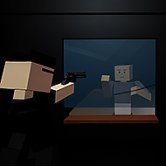
Granny Multiplayer Guide: Controls, Strategy
The original Granny is built on solitary dread — you, the house, and a set of patrol patterns you have to memorize alone in silence. Granny Multiplayer takes that exact premise and puts two or more people inside the same house at the same time. The question worth answering before you load a lobby is whether that actually helps you, or whether it just means Granny has more footsteps to listen for.
Controls and Basic Setup
Movement, crouching to reduce noise, and interacting with items and doors work the same way they do in the solo original — the multiplayer layer changes the social dynamic, not the base control scheme. What’s new is coordination: some rooms need one player distracting Granny while another grabs a key across the house, which means voice chat or a shared plan matters more here than fast reflexes ever will.
Before you commit to a lobby, decide whether you want cooperative or competitive play. The two modes create completely different sessions, and picking the wrong one for your group can turn a fun scare into an argument about who led Granny to who.
Cooperative vs. Competitive: Pick Your Mode
Cooperative rooms ask players to split tasks — one person searches for a key while another keeps Granny occupied on the far side of the house, and covering for a teammate is the whole point. Competitive variants flip that completely: players might hide items from each other, lead Granny toward a rival on purpose, or set traps, turning the session from teamwork into something closer to backstabbing under pressure.
- Prefer the shared-scare, teamwork feeling? Look for cooperative rooms with three or more players.
- Want sabotage to actually matter? Smaller competitive lobbies make every dirty move noticeable.
- Curious about playing as the threat instead of a survivor? Some variants let one player control Granny directly, though this isn’t available in every lobby or mode.
Multiplayer trades the original’s suffocating solo dread for something noisier and more social — whether that trade is worth it comes down to whether you’d rather face the house alone in silence, or scream about footsteps with three friends on a call.
What Happens When You’re Caught
Getting caught early typically puts you into a spectator role for the rest of the round. This is the single most consistent piece of feedback across community discussion: spectating removes your personal danger entirely, and without that danger, the round can feel a lot less tense than the solo game ever does. If your group has a player who tends to get caught fast, plan for downtime — it’s part of the format, not a bug.
Secrets and Things Players Miss
Multiplayer noticeably lowers overall tension compared to the solo original, and that’s by design, not a flaw to work around — splitting item collection and distraction duties across a group reduces individual risk no matter how carefully you play. Players chasing the original’s dread are often better served by the classic solo format; players chasing a social horror night are exactly who multiplayer variants are built for.
Playing as Granny: What to Expect
One of the most-searched questions about this title is whether you can play as Granny instead of a survivor. Some multiplayer variants support this directly, letting one player control Granny against the rest of the group — though the feature isn’t universal and is sometimes limited to specific lobby modes. If your group has never tried it, a single round with a human Granny is worth doing at least once: the AI’s patrol patterns are learnable in a way a person’s decisions never quite are.
If You Like Granny Multiplayer, Try These Next
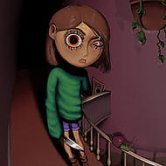
House 2 Full Game
Trade the social chaos for a solo, looping house that punishes carelessness with elaborate, cartoonish deaths.

Dead Plate
A slower, dread-through-dialogue kind of horror if you want tension that builds over a full in-game week rather than one loud chase.
Granny Multiplayer isn’t trying to out-scare the original — it’s a different game wearing the same house, built for a group instead of a single flashlight in the dark.
Similar Games