








Graveyard Keeper 2
 (1 оценок, среднее: 5.00 из 5)
 Loading...
Similar Games







Description
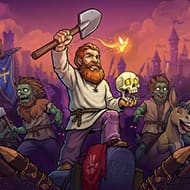
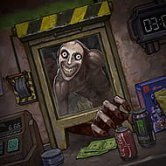
You drag the shovel out of frozen dirt, dump another cartload of bones by the crafting bench, and the skull sitting on your shelf mutters something sarcastic about your work ethic. That’s a normal afternoon in Graveyard Keeper 2, the sequel that trades a single quiet cemetery for an entire crumbling town under siege by the undead. You’re the Keeper again, though the role has shifted — this time you’re operating as the Grand Inquisitor, which means the graveyard is only one piece of a much bigger, messier operation.
| Genre | Management sim / RPG hybrid |
| Setting | Medieval Kingdom, crumbling town |
| Core loop | Resource gathering, automation, town restoration, zombie combat |
| Fast travel | Milestones system |
Restoring the Kingdom in Graveyard Keeper 2
The premise sounds simple on paper: rebuild a town, keep a graveyard profitable, and stop a zombie apocalypse from swallowing everything in between. In practice, the game layers these systems so they constantly interrupt each other. You’ll be halfway through hauling remains to the crafting station when a quest notification pulls you toward a townsfolk problem, and by the time you’ve solved that, your zombie workers have piled up more raw material than your storage can hold. Nothing in this game lets you focus on one job for long, and that’s intentional — the whole point is juggling.
Early sessions revolve around getting the basics running: clearing rubble, setting up the first crafting stations, and figuring out which zombies are worth training instead of just digging holes. The pacing eases up once the Technology Tree opens more automation options, but by the time you reach the point where you’re organizing actual defenses against waves of the undead, the graveyard work you started with feels almost quaint by comparison.
What beginners consistently get wrong is treating the zombies purely as a threat instead of a resource. The developers built the whole game around that tension — the same rotting workforce hauling your goods is also the army you’ll eventually need to arm and train. Ignore that duality and you’ll spend hours fighting enemies you could have been employing.
Milestones and the End of the Teleportstone
Longtime players will notice one change immediately: there’s no Teleportstone this time. Instead, Graveyard Keeper 2 uses Milestones, unlockable fast-travel points scattered across the world, once you’ve physically walked to a location once. It’s a deliberate shift — plenty of people never found the old teleport item useful, so the sequel leans into exploration instead, at least until you’ve earned the right to skip the walk.
- Casual builders will appreciate that automation reduces manual hauling once production chains are set up.
- Players who enjoyed the first game’s grind will notice the new talent system is designed to make repetitive tasks feel less punishing.
- Combat-focused players get an actual reason to engage with zombie management beyond simple resource extraction.
Your talking skull companion returns in spirit, if not in identity. This isn’t Gerry — it’s explicitly a different skull with its own dry, morbid commentary, and the game leans into the joke that nobody could tell the two apart anyway. It’s a small detail, but the skull ends up narrating a surprising amount of your progress once the pace of new areas and mechanics settles down.
What Divides Players About Graveyard Keeper 2
Not everyone is sold on the added combat layer. Some players who loved the original’s slower, puzzle-box management loop find the zombie army mechanics distracting from the parts of the game they actually wanted more of — deeper crafting chains, better trade relationships, more absurd town quests. Others argue the combat gives the graveyard mechanics actual stakes for the first time.
People also ask how steep the difficulty curve gets once the zombie threat escalates. It ramps gradually early on, but once you reach the point where the town needs real fortifications, expect to divert resources you were counting on for graveyard upgrades. That resource competition is where most mid-game frustration comes from, and it’s also where the game’s core idea — that your workforce and your enemy are the same thing — really clicks into place.
Frequently Asked Questions
Does Graveyard Keeper 2 still have the Teleportstone?
No. It’s been replaced entirely by the Milestones system, which unlocks fast travel to locations you’ve already reached on foot.
Is the talking skull companion the same character from the first game?
No — the developers confirmed it’s a different skull entirely, deliberately not Gerry, complete with its own personality and humor.
Do you still play as the same Keeper from the original game?
Mostly, though the framing has changed; you’re now operating as the Grand Inquisitor, with familiar faces returning alongside a wave of new characters.
Graveyard Keeper 2 asks you to hold onto the same absurd, morbid humor that made the original a cult favorite while stacking on a zombie army, a Technology Tree that finally rewards automation, and a talking skull that insists it isn’t Gerry. Whether you’re here for the graveyard economy or the fight to save the Kingdom, the game keeps circling back to one idea: everything rotting around you is also the thing keeping your operation alive.